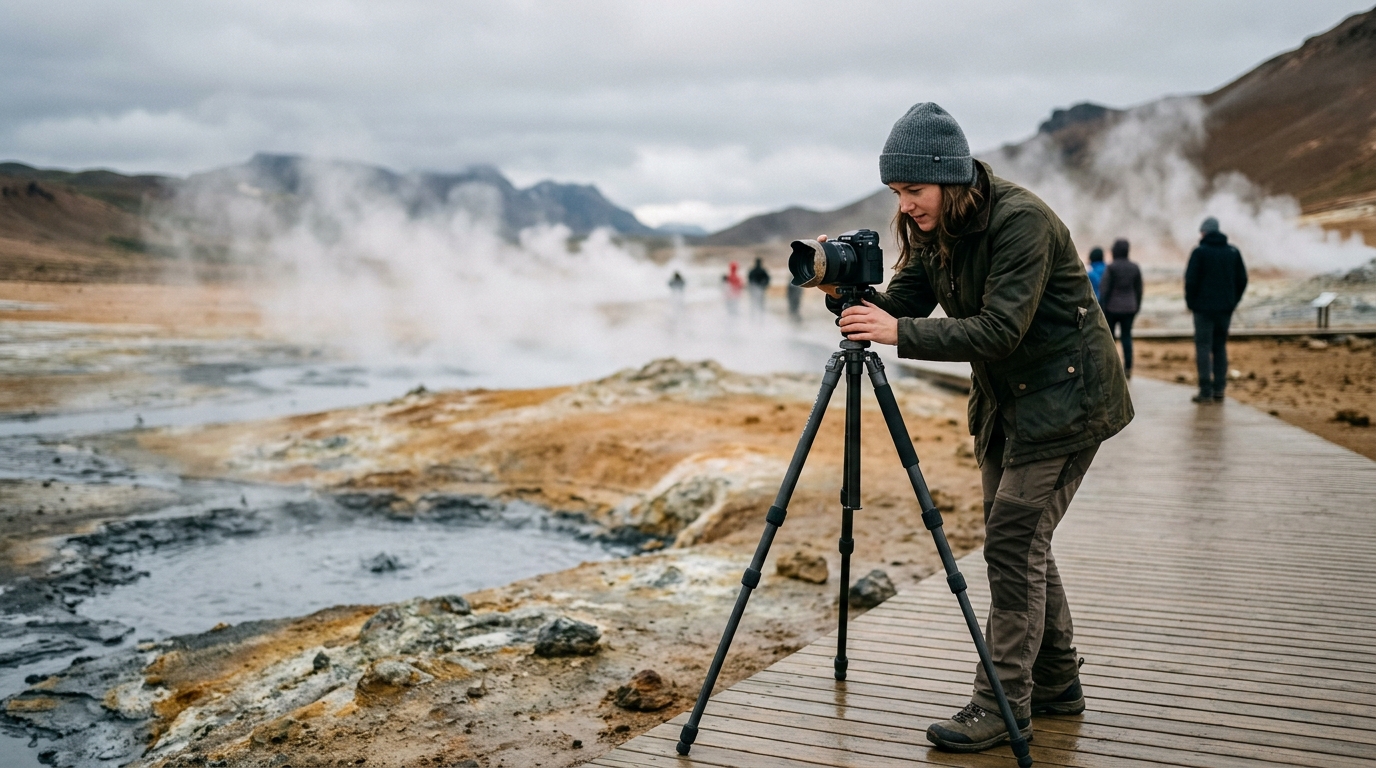
Iceland, a land forged by fire and ice, offers a landscape unlike any other on Earth. For photographers, its geothermal areas are a treasure trove of dramatic visuals, from explosive geysers and steaming vents to vibrant mineral-stained earth. This isn't just a destination; it's an immersive experience for the senses and a profound challenge for the lens. If you're seeking to capture the raw, dynamic essence of our planet, an Iceland geothermal photography itinerary is an absolute must.
This comprehensive guide is designed for the discerning photographer, blending iconic, easily accessible spots with more remote, challenging locations. It delves into the science behind the spectacle, equips you with essential gear and techniques, and inspires creative approaches to composition. Prepare to unveil Iceland's steaming heart, where every frame tells a story of geological power and ephemeral beauty. Iceland Photo Map is your ultimate companion for navigating these otherworldly scenes, ensuring you maximize every photographic opportunity.
The Science & Spectacle: Understanding Iceland's Geothermal Features
To truly photograph Iceland's geothermal wonders, understanding their underlying mechanics is key. These are active geological processes, each with unique characteristics demanding different photographic approaches.
- Hot Springs: Pools of geothermally heated groundwater varying in size, temperature, and mineral content, leading to diverse colors. Focus on steam patterns, reflections, and vibrant mineral deposits.
- Geysers: Vents that periodically eject superheated water and steam. Their explosive nature requires anticipation and fast shutter speeds; the build-up offers opportunities to capture the bubbling precursor. Strokkur erupts reliably every few minutes.
- Fumaroles: Vents emitting steam and gases, often sulfurous. They create ethereal, misty scenes, especially when backlit, and are found alongside vibrant yellow sulfur deposits. Long exposures can smooth steam into painterly blurs.
- Mud Pots: Formed when steam and gas rise through surface water mixed with clay and soil, creating bubbling, often colorful, pools of viscous mud. Their textures, patterns, and rhythmic popping offer fascinating macro and abstract opportunities.
Iceland's exceptional geothermal activity stems from its unique geological position on the Mid-Atlantic Ridge, where the North American and Eurasian tectonic plates are pulling apart. This rift zone allows magma to rise close to the surface, heating groundwater and driving the island's extensive network of hot springs, geysers, and volcanoes.
Safety considerations are paramount. Geothermal sites can be hazardous due to extremely hot water and steam, unstable ground, and noxious gases. Always stay on marked paths and boardwalks, respecting warning signs and barriers. The ground can be thin and fragile, with scalding water just beneath the surface. The Icelandic Met Office provides current information on geological activity and safety warnings, which should be consulted before visiting any active area.
Crafting Your Iceland Geothermal Photography Itinerary: Top Spots & Routes
Designing an Iceland geothermal photography itinerary means balancing accessibility with the desire for unique shots. Here’s a breakdown of key locations by region.
Golden Circle Highlights
Iceland’s most popular route offers easily accessible, iconic geothermal features.
- Geysir Geothermal Area (Strokkur): The star, Strokkur, erupts reliably every 5-10 minutes, shooting water up to 15-20 meters high. Visit South Iceland provides current information.
- Photography: Capture the anticipation, explosive column, and receding steam. Frame Strokkur against the sky or with people for scale. Experiment with shutter speeds to freeze water or blur steam. Arrive early/late to avoid crowds.
- Reykjadalur Hot Spring Thermal River: Hike to a natural hot spring river.
- Photography: Steam rising off the river against green hillsides, especially in morning light. Juxtapose bathers with the rugged landscape. The 45-60 minute hike offers scenic views.
- Secret Lagoon (Flúðir): Iceland's oldest natural swimming pool, offering a serene hot springs photography Iceland experience.
- Photography: Misty, tranquil atmosphere, especially at dawn/dusk. A small, active geysir nearby adds dynamic interest. Long exposures create dreamy steam effects.
For more exploration, check out our Golden Circle region guide.
North Iceland's Volcanic Power
The North is home to some of Iceland's most alien and vibrant geothermal landscapes.
- Hverir (Námaskarð) Geothermal Area: Near Lake Mývatn, a visual feast of bubbling mud pots and steaming fumaroles.
- Photography: Vibrant, surreal mineral-stained earth (reds, oranges, yellows). Intense steam vents and boiling mud pots. Use wide-angle for expansive views, macro for mud pot details. Be mindful of wind direction and sulfur fumes.
- Krafla Viti Crater: A stunning explosion crater with a vivid blue-green lake.
- Photography: Striking contrast of turquoise lake against dark volcanic rock. Surrounding geothermal activity on crater edges. Wide-angle is essential. Overcast days enhance water color.
Discover more northern gems with our North Iceland region guide.
Reykjanes Peninsula's Raw Energy
A short drive from Reykjavík, this UNESCO Global Geopark offers untamed geothermal energy and volcanic landscape photography Iceland opportunities.
- Gunnuhver Geothermal Area: Home to Iceland’s largest mud pot and powerful steam vents.
- Photography: Immense clouds of superheated steam creating dramatic, misty scenes. Powerful vents and vibrant blue-green mineral deposits. Use a tripod for long exposures to smooth steam. Protect gear from moisture.
- Krýsuvík (Seltún) Geothermal Area: Diverse area with bubbling mud pots, colorful hot springs, and steaming fumaroles.
- Photography: Rich, earthy tones of mud pots and vivid mineral colors. Wooden boardwalks provide excellent leading lines. Great for detailed shots and close-ups.
- Bridge Between Continents: Spans the rift valley where tectonic plates meet, offering geological context.
- Photography: Dramatic fissure, the bridge as a human element, and stark volcanic surroundings. Use wide-angle to capture scale.
Highlands & Remote Gems
For adventurous photographers, the Highlands offer unparalleled geothermal beauty, accessible seasonally (typically June-September) with a 4x4.
- Landmannalaugar: Famous for colorful rhyolite mountains and natural hot springs.
- Photography: Breathtaking palette of mountain colors, often contrasted with snow. Steam rising from hot springs. Panoramic views are endless. Golden hour light transforms colors. A drone can offer aerial perspectives (check regulations).
- Kerlingarfjöll: A rewarding geothermal area in the central Highlands, known for steaming valleys and challenging terrain.
- Photography: Intense, widespread geothermal activity with numerous fumaroles and hot springs. Contrast of orange-brown rhyolite mountains with white steam. Sense of untouched wilderness. Be prepared for hiking and unpredictable weather.
For a complete overview of all incredible photographic locations, check out our Iceland Photo Map locations directory.
Mastering the Elements: Essential Gear & Techniques for Geothermal Shots
Photographing Iceland’s geothermal areas presents unique challenges. The right gear and techniques are crucial for stunning images and equipment protection.
Camera & Lenses
- Camera Body: Weather-sealed DSLR or mirrorless camera recommended for moisture, dust, and sulfur.
- Wide-Angle Lens (14-24mm or similar): Essential for expansive landscapes, geyser eruptions, and steaming valleys.
- Telephoto Lens (70-200mm or longer): Perfect for isolating details like distant fumaroles, mud pot patterns, or compressing steam.
- Macro Lens (100mm or similar): For intricate textures of bubbling mud, mineral formations, and delicate steam patterns.
Protection from the Elements
Steam, sulfur, and mud are constant companions. Protecting your gear is vital.
- Rain Covers: Essential for camera and lens, especially near geysers or powerful steam vents.
- Lens Cloths & Cleaning Kits: Carry multiple microfibre cloths. Steam condenses quickly, and sulfur leaves residue. A blower brush helps with dust.
- UV/Protective Filters: An extra layer of protection for your front lens element from sulfur and moisture.
- Weather-Sealed Bag: Keep unused gear protected in a waterproof camera bag.
Stability & Sharpness
A sturdy tripod is perhaps the most important accessory.
- Tripod: Vital for long exposures to smooth steam, sharp focus in low light, and precise compositions. Choose one stable in wind and easily cleaned.
- Remote Shutter Release: Minimizes camera shake, crucial for long exposures, and allows hands-free operation.
Filters
- Circular Polarizer (CPL) Filter: Reduces glare on wet surfaces, enhances reflections in hot pools, and saturates colors.
- Neutral Density (ND) Filters: Indispensable for creating silky smooth, ethereal steam effects with long exposures, even in brighter conditions.
Camera Settings
- Aperture:
- Landscapes (f/8 - f/16): For maximum depth of field.
- Details/Macro (f/2.8 - f/5.6): To isolate subjects with shallow depth of field.
- Shutter Speed:
- Fast (1/500s+): To freeze geyser action or sharp steam wisps.
- Slow (1/2s - 30s+): To create ethereal, milky steam effects or smooth water.
- ISO: Keep as low as possible (ISO 100-400) for optimal image quality, especially with a tripod. Increase only when necessary for handheld shots.
- White Balance: Auto White Balance (AWB) often works, but experiment with presets or Kelvin for fine-tuning.
Composing the Unseen: Creative Approaches to Geothermal Landscapes
Beyond technical aspects, successful geothermal photography lies in composing unique elements. It’s about interpreting the landscape.
Capturing Steam
Steam is dynamic and challenging, yet a magnificent subject.
- Backlighting Steam: Position the sun or light source behind the steam to illuminate it, emphasizing texture and movement, especially during golden hour.
- Long Exposures: Use ND filters for shutter speeds of several seconds to transform dynamic steam into soft, painterly clouds.
- Framing with Steam: Use steam as a natural frame or to create mystery and depth.
Color & Texture
Geothermal areas are a riot of subtle and vibrant colors and textures.
- Mineral Deposits: Focus on the incredible mineral colors around hot springs and fumaroles—yellows from sulfur, reds/oranges from iron oxides. Use a telephoto or macro lens for abstract patterns.
- Bubbling Mud & Formations: Mud pots offer fascinating abstract opportunities with rhythmic bubbles and unique geological formations.
Scale & Perspective
Conveying the immense scale of these landscapes is crucial.
- Human Elements (Safely): A lone hiker or group observing a geyser provides a sense of scale and human interaction. Ensure people are on marked paths.
- Wide Shots with Details: Start with a sweeping wide-angle to establish the scene, then zoom in for intimate details to tell a complete story.
Light & Time of Day
Light dramatically transforms geothermal landscapes.
- Golden & Blue Hour: Soft, warm golden hour light and cool, ethereal blue hour light add drama and mood, especially for backlighting steam.
- Midday Light: Harsh midday sun can flatten colors. Focus on high-contrast black and white, or seek shaded areas and abstract details. Overcast days are excellent for vibrant colors without harsh shadows.
Responsible Photography: Safety & Conservation in Geothermal Zones
Iceland's geothermal areas are beautiful yet fragile and potentially dangerous. Responsible photography ensures your safety and preserves these wonders. Adhering to official guidelines from authorities like The Icelandic Met Office and The Environmental Agency of Iceland is paramount.
- Stay on Marked Paths: This is the golden rule. Geothermal ground can be unstable, thin, and conceal scalding water. Stepping off paths risks injury and damages fragile ecosystems. Adhere strictly to all barriers and warning signs.
- Respect Nature: Practice "Leave No Trace." Pack out everything you pack in. Avoid disturbing formations, plants, or wildlife. Do not throw anything into hot springs. The Environmental Agency of Iceland provides detailed guidelines on responsible tourism.
- Weather Awareness: Iceland's weather is unpredictable. High winds make steam unpredictable, and rain makes paths slippery. Check forecasts and be prepared. Understanding wind direction helps avoid sulfur fumes.
- Emergency Preparedness: Inform someone of your itinerary, especially in remote areas. Carry a first-aid kit, extra layers, food, water, and a charged phone. Check local regulations for drone usage; many geothermal areas prohibit them. Know Iceland's emergency services (112).
Beyond Geothermal: Integrating Your Iceland Geothermal Photography Itinerary with Broader Wonders
While an Iceland geothermal photography itinerary is rewarding, Iceland offers a mosaic of photographic opportunities. Combining geothermal sites with other iconic landscapes elevates your journey.
Imagine capturing ethereal steam, then transitioning to a powerful waterfall or dramatic black sands. Iceland's compact size and diverse geography make such transitions feasible within a single day or multi-day trip.
- Waterfalls: Many geothermal areas are near stunning waterfalls. The Golden Circle features Geysir and Gullfoss. North Iceland offers Dettifoss or Goðafoss near Hverir. Capturing dynamic water contrasts with steaming geothermal scenes. Find many on our Waterfall Photo Map.
- Black Sand Beaches & Coastlines: The Reykjanes Peninsula, with its intense geothermal activity, also boasts rugged coastlines and black sand beaches. This interplay of land and sea offers raw beauty.
- Ice Caves & Glaciers (Seasonal): For winter visitors, combining geothermal photography with ice cave exploration adds elemental contrast – fire and ice.
To optimize travel time and discover nearby attractions, leverage the resources available on Iceland Photo Map. Iceland Photo Map's detailed maps and location guides are designed to help you plan efficient routes that blend various photographic interests. Whether you're interested in dramatic landscape photography or specific natural features, the Iceland Photo Map platform provides the tools to craft an itinerary that balances geothermal exploration with Iceland's broader wonders.
Frequently Asked Questions
What is the best time of year for an Iceland geothermal photography itinerary?
Summer (June-August) offers long daylight and easier access to Highlands, ideal for extensive exploration, but has peak crowds. Shoulder seasons (April-May, September-October) offer fewer crowds and unique light, though weather is unpredictable. Winter (November-March) provides dramatic contrasts of steam against snow and aurora opportunities, but limited daylight and challenging road conditions. For Highland access, late June to mid-September is essential.
What specific gear should I bring to protect my camera from steam and sulfur?
Beyond a weather-sealed camera, bring a good rain cover (or plastic bags). Carry multiple microfibre cloths and a lens cleaning kit (blower brush, lens pen) for condensation and sulfur residue. A UV or clear protective filter adds defense. Keep spare batteries warm, as cold and steam drain them faster. A waterproof camera bag protects unused gear.
Are drones allowed at all geothermal photography spots in Iceland?
No, drone regulations vary significantly. Many popular tourist sites and protected natural areas, including geothermal zones, have strict bans or require permits. often look for signage at each site, as rules can change. Respect private property and wildlife. Flying near active geysers or fumaroles is hazardous due to unpredictable steam, strong winds, and corrosive gases. Check current regulations from the Environmental Agency of Iceland or local authorities before flying.
How can I capture the movement of steam effectively in my photos?
Capturing steam effectively involves manipulating shutter speed and light. For ethereal, milky-smooth steam, use a slow shutter speed (e.g., 1/2 second to several seconds) often with an ND filter. For dramatic, textured steam wisps, use a faster shutter speed (e.g., 1/250 second or faster) to freeze motion. Backlighting the steam (sun behind it) makes it glow and emphasizes its volume and texture. Experiment with angles and compositions.
What are the most accessible geothermal sites for photographers in Iceland?
The most accessible sites are generally on or near the Golden Circle and Reykjanes Peninsula. These include: Geysir Geothermal Area (Strokkur) with well-maintained paths; Krýsuvík (Seltún) Geothermal Area, a short drive from Reykjavík with boardwalks; Hveragerði Hot Spring Park, accessible from the Ring Road; and Hverir (Námaskarð) near Lake Mývatn, with excellent boardwalks and parking. These locations offer ample parking, defined paths, and are suitable for all mobility levels.
Conclusion: Your Geothermal Photography Journey Awaits
Iceland's geothermal landscapes are a photographer's dream – a dynamic canvas where the Earth's raw power is on full display. From the explosive ballet of Strokkur to the surreal colors of Hverir and the serene steam of Reykjadalur, each location offers a unique narrative for your lens. This guide has provided an expert-level Iceland geothermal photography itinerary, equipping you with knowledge of top spots, essential gear, creative techniques, and crucial safety considerations.
Remember that the true magic lies not just in the gear or location, but in your ability to observe, anticipate, and interpret the ever-changing interplay of steam, light, and geological artistry. Approach these wonders with respect, patience, and an open mind, and you will be rewarded with images that convey the profound beauty and power of Iceland's steaming heart.
Ready to plan your geothermal photography adventure? Explore our detailed Iceland Photo Maps to discover hidden gems and plan your perfect route!