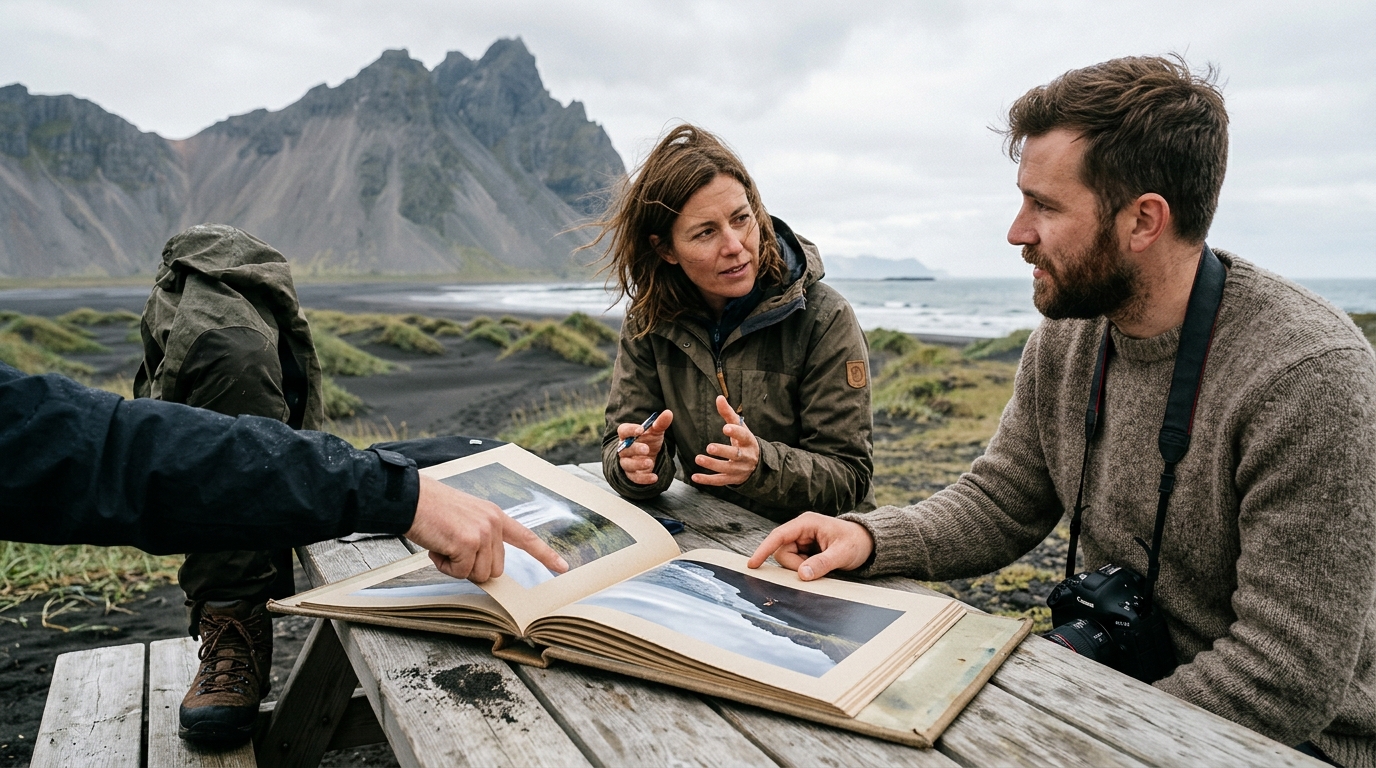
Iceland is a country of extremes, where the intersection of volcanic fire and glacial ice creates a visual language unlike anywhere else on Earth. For photographers, this landscape offers an unparalleled playground, but it also presents a significant challenge: how do you elevate your work from a simple travel diary to a compelling, professional-grade portfolio? An Iceland photography portfolio review is the essential bridge between capturing technically sound images and developing a cohesive, emotive body of work that resonates with viewers and editors alike.
When you stand before the thundering power of Dettifoss or the delicate, ethereal light hitting a remote church in the Westfjords, it is easy to become overwhelmed by the sheer scale of the subject. A professional critique helps you strip away the excitement of the moment to focus on the elements of composition, light, and narrative that truly define your unique voice as a photographer.
The Value of an Iceland Photography Portfolio Review
Self-editing is arguably the most difficult aspect of the creative process. When you have spent days navigating the Ring Road, battling gale-force winds, and losing sleep to chase the perfect golden hour light, every image feels like a victory. However, a professional Iceland photography portfolio review provides the necessary objective distance to distinguish between a functional travel log—which serves primarily as a memory—and a professional portfolio designed to communicate a specific aesthetic or story.
The difference lies in intent. A travel log captures "I was here," whereas a professional portfolio demonstrates "This is how I see the world." By seeking expert feedback, you gain insights into how your work is perceived by an audience that hasn't experienced the context of the shoot. This process accelerates your growth, helping you identify recurring technical habits, compositional crutches, and areas where your narrative consistency might be faltering. According to industry standards in visual arts, the ability to curate one's work is as critical to a photographer’s success as their ability to handle a camera, as noted by the Magnum Photos guide to building a portfolio, which emphasizes that a strong edit is the hallmark of a mature artist.
Beyond the technical, a review forces you to confront the "why" behind your photography. Are you documenting the geological history of the island, or are you chasing an abstract, emotional response to the solitude of the Highlands? An objective reviewer can identify if your images are fighting against each other or working in harmony to tell a singular story.
Defining Your Narrative: What Makes a Strong Iceland Collection?
Many photographers fall into the trap of collecting "greatest hits"—the same standard shots of Skógafoss or Reynisfjara that have been captured thousands of times. While these locations are undeniably beautiful, a strong portfolio moves beyond the postcard aesthetic. It requires you to consider your collection as a whole rather than a series of disconnected snapshots.
Thematic consistency is key. Are your images characterized by high-contrast, moody desaturation, or do you prefer the vibrant, ethereal glow of the midnight sun? When reviewing your work, look for a common thread in lighting and mood. If your portfolio jumps from high-key, bright summer images to dark, brooding winter shots without a clear transition, the viewer may struggle to find a focal point. To achieve this, we encourage you to explore our comprehensive landscape maps, which help you plan your shoots with a specific artistic intent in mind rather than just chasing the next popular waypoint.
Developing a narrative also involves pacing. A successful portfolio should have a rhythm, alternating between wide, sweeping vistas that establish the environment and intimate, macro-level details that reveal the texture of the Icelandic moss or the intricate patterns in glacial ice. This variety keeps the viewer engaged and demonstrates a mastery over different focal lengths and perspectives.
Technical Standards for Landscape Photography Critique
A rigorous landscape photography critique must address the technical realities of shooting in Iceland’s volatile environment. The dynamic range required to capture a snow-capped peak against a dark, basalt-laden foreground is immense. An expert review will evaluate your proficiency with exposure blending, focus stacking, and color grading.
Common pitfalls often appear during post-processing. Many photographers, seduced by the dramatic colors of Iceland, push their saturation sliders too far, resulting in unnatural, "neon" hues that distract from the landscape's inherent beauty. Furthermore, we look for evidence of sharp focus throughout the frame. If you are struggling to balance these technical elements, our resources serve as a benchmark to ensure your technical execution matches your creative ambition. Remember that high-quality landscape photography requires an understanding of the Histogram, as highlighted by The Luminous Landscape, which provides extensive resources on mastering exposure and technical precision in the field.
Furthermore, an expert review will examine your file management and preparation for output. Whether you intend to display your work on a high-resolution monitor or produce large-format prints, the technical requirements differ significantly. A critique can help you understand how to optimize your files for specific mediums, ensuring that the sharpness and color accuracy you captured in the field are preserved through the final delivery.
Curating for Impact: Selecting Your Best Iceland Photos
The concept of "killing your darlings" is essential here. You must be ruthless in your selection process. A portfolio containing 50 mediocre images is significantly weaker than one containing 10 exceptional ones. When curating for impact, consider the platform: a web-based gallery benefits from horizontal, wide-view images that fill a screen, while a printed portfolio may require a mix of vertical orientations and intimate details to keep the viewer engaged.
Geographic diversity is another factor often overlooked. If your entire portfolio consists of shots from the South Coast, you are missing out on the unique geological formations found in the North or the dramatic, jagged cliffs of the Westfjords. Using location-specific data allows you to balance your work, ensuring that your portfolio reflects the true, multifaceted nature of the Icelandic terrain.
Consider the sequence of your images as well. A well-curated portfolio should flow logically, perhaps following a geographic journey or a thematic progression from light to dark. This intentional sequencing transforms a collection of images into a cohesive visual essay that guides the viewer through your experience.
Common Mistakes in Iceland Photography Portfolios
Beyond technical errors, there are common stylistic mistakes that can hinder a portfolio’s professional appeal:
- The "Icelandic Neon" Effect: Over-processing greens and blues to a point where the landscape looks like a video game rather than a natural environment.
- Lack of Foreground Interest: Wide-angle lenses are staples in Iceland, but without a compelling foreground element (a rock, a stream, or a patch of moss), the image often feels flat and disconnected.
- Repetitive Compositions: If every waterfall image is taken from the exact same standing height, the viewer becomes desensitized. Experimenting with low-angle shots or unique perspectives is vital.
- Ignoring Weather Context: Failing to embrace the dramatic, moody weather that defines Iceland can result in a portfolio that feels sterile. A strong portfolio often includes images that showcase the raw, untamed nature of the elements.
How to Prepare for a Professional Iceland Photo Feedback Session
To get the most out of your Iceland photo feedback, preparation is vital. Start by organizing your files into a clean, curated folder. If you are aiming for a commercial career, your selection should emphasize versatility and technical perfection. If your goal is artistic expression, focus on a singular, cohesive mood.
Prepare specific questions. Instead of asking "Is this good?", try asking, "Does this image convey the sense of isolation I felt at this location?" or "Is the color grading consistent with the rest of my set?" By defining your goals, you allow the reviewer to provide targeted, actionable advice that aligns with your professional trajectory.
It is also helpful to provide context about your equipment and your post-processing workflow. Knowing whether you shot on medium format or a standard DSLR, and understanding your editing philosophy, allows the reviewer to provide feedback that is tailored to your specific capabilities and artistic vision.
Taking Your Work to the Next Level
The goal of a portfolio review is not just to critique the past, but to inform your future. Once you have received feedback, integrate it into your next shooting itinerary. If your review highlighted a weakness in your use of light during the golden hour, plan your next trip around locations that offer unique lighting opportunities, such as the soft, lingering twilight of the summer months. Use our location resources to find less-visited areas where you can practice new techniques away from the crowds, allowing you to develop a more authentic and personal body of work.
As noted by the Nature Photographers Network, continuous improvement is a cycle of shooting, critiquing, and refining. By engaging with a community of peers and experts, you ensure that your work remains dynamic and evolving. This iterative process is what separates hobbyists from professionals who consistently produce high-caliber imagery.
Frequently Asked Questions
What should I include in my Iceland photography portfolio?
Your portfolio should include a mix of grand, wide-angle landscapes, intimate detail shots (such as textures of moss or ice), and images that showcase different weather conditions. Aim for 12–20 high-quality images that tell a consistent story about your specific vision of Iceland.
How often should I update my portfolio with new work?
You should review and update your portfolio quarterly. As your skills improve, older images that no longer meet your current technical or artistic standards should be removed to maintain a high-quality threshold.
Can a portfolio review help me improve my post-processing skills?
Absolutely. A professional review will often identify specific areas where your post-processing techniques—such as color balance, masking, or sharpening—can be refined to better serve the final image.
Do I need a professional website to benefit from a portfolio review?
No, you do not need a website to start. Many photographers begin by curating their work into a digital folder or a PDF document. The process of organizing your images for the review is often the first step toward building a professional online presence.
What is the best way to handle feedback that I disagree with?
View feedback as a data point rather than a mandate. If a reviewer suggests a change that contradicts your artistic vision, ask yourself why they perceived it that way. Understanding the disconnect is often more valuable than simply making the change.
Ready to see your work through a professional lens? Submit your best Iceland shots for a comprehensive portfolio review today and transform your travel photography into a professional-grade gallery that stands the test of time.