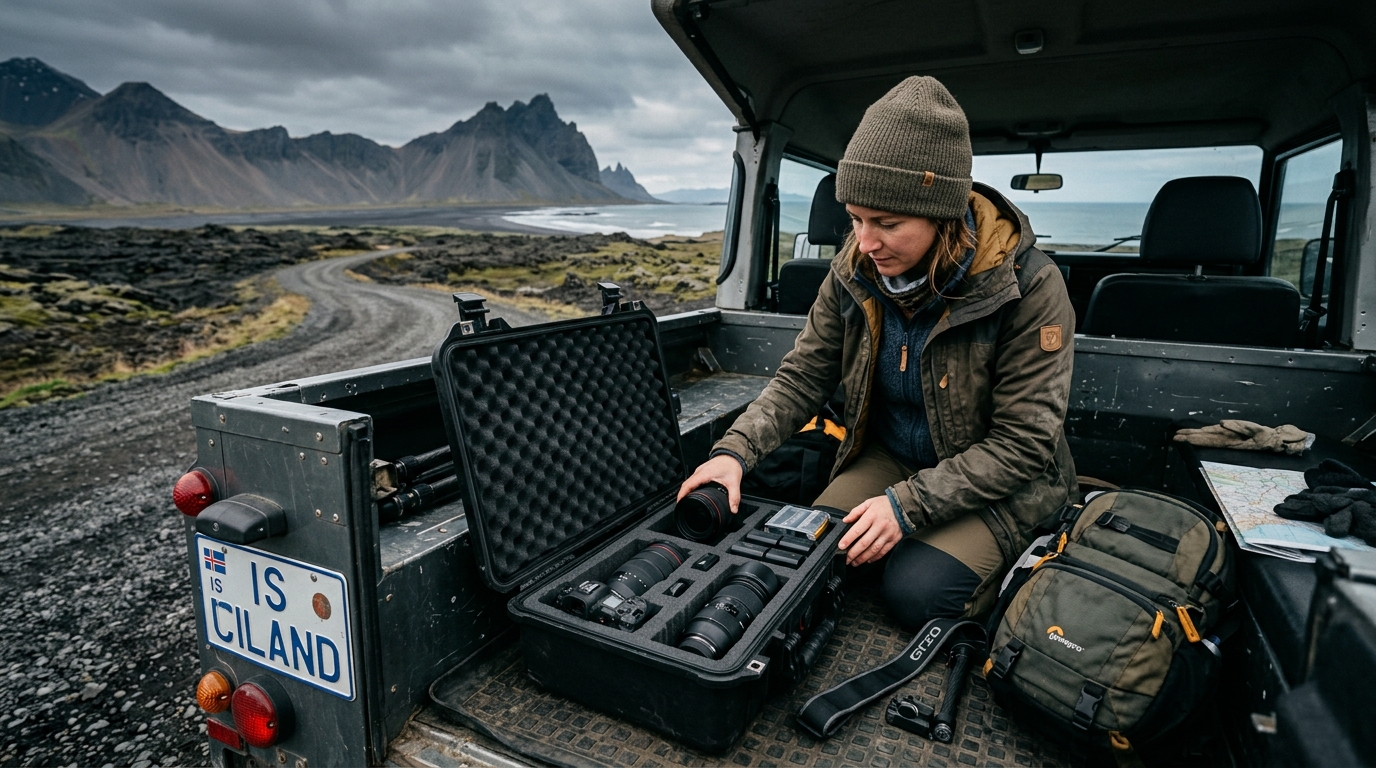
Renting photography gear for your Icelandic expedition allows you to bypass the logistical challenges of transporting heavy, fragile equipment while gaining access to specialized tools suited for the island’s unique light and terrain. By utilizing professional Iceland photography rental gear, you can ensure your camera setup is optimized for the specific challenges of the Arctic, from expansive glacial vistas to the elusive flicker of the aurora borealis, without risking your own primary kit. Whether you are a professional seeking a backup body or an enthusiast looking to experiment with high-end glass, local rental options provide a practical solution for your 2026 travel plans.
Why Renting Photography Gear in Iceland Makes Sense
The primary motivation for choosing a rental strategy over bringing your own kit is the preservation of your personal equipment. Iceland’s environment is notoriously harsh; high-velocity winds carrying fine volcanic sand can damage sensor cleanliness and lens coatings, while heavy sea spray near waterfalls like Skógafoss or Gullfoss can penetrate weather-sealed bodies. When you opt for Iceland photography rental gear, you shift the risk of salt-water damage or accidental drops onto the rental provider, allowing you to focus on your composition rather than protecting your personal investment.
Furthermore, traveling with heavy-duty tripods and multiple long-telephoto lenses often pushes your luggage over airline weight limits. By sourcing equipment locally, you save significantly on excess baggage fees. Renting also provides the opportunity to test high-end gear—such as a 14-24mm f/2.8 ultra-wide lens or a specialized panoramic head—that you may not use frequently enough at home to justify a purchase. This allows you to experiment with professional-grade glass that can improve your output while you are using our Iceland Photography Maps to navigate the most photogenic spots.
Beyond the logistical benefits, renting locally allows you to adapt to the specific conditions you encounter upon arrival. If you arrive during a period of intense volcanic activity or unexpected storm fronts, you might find that a specific focal length or a specialized protective housing becomes more valuable than the gear you packed at home. According to the Official Tourism Site of Iceland, travelers should always maintain a flexible itinerary to account for rapidly changing weather conditions, which directly impacts the type of photography equipment required for a successful shoot.
Essential Iceland Photography Rental Gear Checklist
To effectively document Iceland, your gear must be as resilient as it is capable. The following items form the backbone of a successful photography trip:
- Weather-Sealed Camera Bodies: Ensure your rental body features robust weather-sealing to protect against the frequent, unpredictable precipitation common in the North Atlantic.
- Ultra-Wide Angle Lenses: A focal length between 14mm and 24mm (on full-frame) is vital for capturing the vast scale of the Icelandic highlands and the sprawling dance of the Northern Lights.
- Wind-Resistant Tripods: Wind speeds in Iceland can be intense, often exceeding 20 meters per second during storms, according to data from the Icelandic Met Office. Renting a heavy-duty, carbon-fiber tripod with a low center of gravity is recommended for long-exposure shots of waterfalls or moving clouds.
- Optical Filters: A circular polarizer is essential for cutting through glare on wet rocks and glacial ice, while a 6-stop or 10-stop Neutral Density (ND) filter will allow you to achieve that silky, ethereal look for water movement in broad daylight.
- Rain Covers and Microfiber Cloths: often carry a dedicated rain cover for your camera and lens. If you are shooting near the coast or massive waterfalls, keep a microfiber cloth in a sealed bag to wipe down the glass frequently.
Navigating Camera Rental Reykjavik Options
When you arrive in the capital, you will find several reputable shops specializing in photography equipment. Most outlets offer both physical storefronts and online booking, which is highly recommended during the busy summer season. When comparing your options, prioritize shops that offer comprehensive insurance packages. Accidents happen in the field, and a "collision damage waiver" for your lens or body can mitigate financial loss if a fall occurs on a slippery basalt cliff.
Before you leave the shop, perform a rigorous inspection:
- Sensor Check: Take a photo of a plain white wall at a high f-stop (like f/16 or f/22) and zoom in on the display to check for dust spots.
- Mount Security: Ensure the lens locks firmly into the camera body with no wiggle.
- Battery Health: Ask for at least two batteries per body, as cold weather significantly accelerates power drainage.
Travelers are encouraged to prioritize safety, and this extends to your equipment. Always ensure you have a clear understanding of the liability policies before you sign the rental agreement, as local shop policies can vary regarding "act of God" clauses related to extreme weather. For further guidance on regional safety and travel logistics, consult resources provided by SafeTravel Iceland, which offers updated alerts on road conditions and weather hazards that could impact your photography schedule.
Lens Rental Iceland for Tourists: Choosing the Right Glass
If you are looking for lens rental Iceland for tourists, focus on versatility. While primes offer superior sharpness, the unpredictable weather in Iceland often makes changing lenses in the field dangerous for your sensor. For night sky photography, a "fast" lens with an aperture of f/2.8 or wider is essential to keep ISO levels manageable. If you are using your own camera body, ensure the rental shop verifies the lens mount compatibility—Sony E-mount, Canon RF, and Nikon Z are the current standards in 2026, but adapters are often available for older systems.
When selecting your kit, consider the following:
- 16-35mm Zoom: Ideal for landscapes, architecture, and interior shots.
- 24-70mm Zoom: A versatile choice for general walk-around photography and environmental portraiture.
- 70-200mm f/2.8: Necessary for compressed landscapes and wildlife photography.
- 35mm f/1.4 Prime: Excellent for Northern Lights and street photography where low-light performance is paramount.
Protecting Your Rented Equipment in the Field
Even with professional equipment, you are responsible for its upkeep during your rental period. The most common point of failure is moisture ingress. Managing battery performance is another critical skill. In the highlands, where temperatures can drop even in summer, store your spare batteries in an inside pocket of your jacket, close to your body heat. If you experience a total failure while on the Ring Road, contact your rental provider; many offer emergency replacement services in major hubs like Akureyri or Selfoss, though you must communicate your itinerary clearly to them.
Additionally, consider the impact of geothermal steam and sulfurous gases. If you are shooting near geothermal vents, the acidic nature of the steam can corrode electronic contacts over time. Keep your gear inside a sealed bag when not in active use in these areas, and clean your equipment thoroughly with a dry cloth immediately after returning to your accommodation.
Budgeting for Your Photography Rental Strategy
Rental costs are typically structured on a daily basis, but most shops provide significant discounts for weekly bookings. When budgeting, do not just account for the rental fee; factor in the insurance deductible, which can vary depending on the value of the gear. If you are planning to visit multiple locations, consider using our Iceland photography maps to group your shooting locations geographically. This minimizes travel time and reduces the number of days you need to hold onto the equipment, effectively lowering your total rental expenditure. Always ask if the shop offers "bundling"—often, adding a tripod or a filter kit to a lens rental is more cost-effective than renting them as individual items.
Final Considerations Before You Book
Availability is the biggest hurdle for photographers visiting between June and August. Book your equipment at least two months in advance to ensure you have access to the specific focal lengths or bodies you require. Confirm your pickup time against your flight schedule; many shops in Reykjavik are centrally located, but they may have specific opening hours that do not align with early morning or late-night arrivals. Upon receipt, take 15 minutes in the shop to familiarize yourself with the menu settings of the rental body. If you are accustomed to one brand but rent another, the button layout and focus system will feel foreign. Spend time in the shop testing the focus tracking and burst mode before you drive out into the wilderness.
Frequently Asked Questions
Is it cheaper to rent camera gear in Reykjavik or bring my own?
For many photographers, bringing their own gear is the most cost-effective option if they already own professional equipment. However, renting becomes a strategic advantage when you need specialized lenses or heavy-duty support gear that would be impractical to transport. When calculating your budget, compare the cost of international excess baggage fees against the daily rental rates in Iceland.
Do rental shops in Iceland provide insurance for camera equipment?
Yes, most reputable camera rental shops in Reykjavik offer insurance packages. These are typically optional but highly recommended. Be sure to read the fine print regarding "negligence," as standard insurance often does not cover damage caused by leaving gear unattended or failing to use weather protection in extreme conditions.
What is the most important piece of photography gear for Iceland?
A sturdy, wind-resistant tripod is widely considered the most critical tool for an Icelandic photography trip. The combination of high winds and the need for long exposures—essential for capturing the movement of waterfalls, auroras, and glacial flow—makes a stable platform a necessity for professional results.
Can I rent professional-grade tripods in Iceland?
Absolutely. Most rental shops carry heavy-duty tripods from brands like Manfrotto or Gitzo, specifically designed to handle the weight of professional cinema or still photography rigs in high-wind environments. When booking, inquire about the weight capacity of the tripod to ensure it is rated for your specific camera and lens combination.
How far in advance should I reserve my rental gear?
For peak travel months, it is advisable to reserve your gear at least eight weeks in advance. This ensures that the specific bodies and lenses you require are held for your dates, especially if you have specific brand requirements or need specialized macro or super-telephoto lenses that are in limited supply.
Ready to plan your perfect shot? Use our Iceland Photography Maps to find the best locations for your rented gear and start your adventure today.