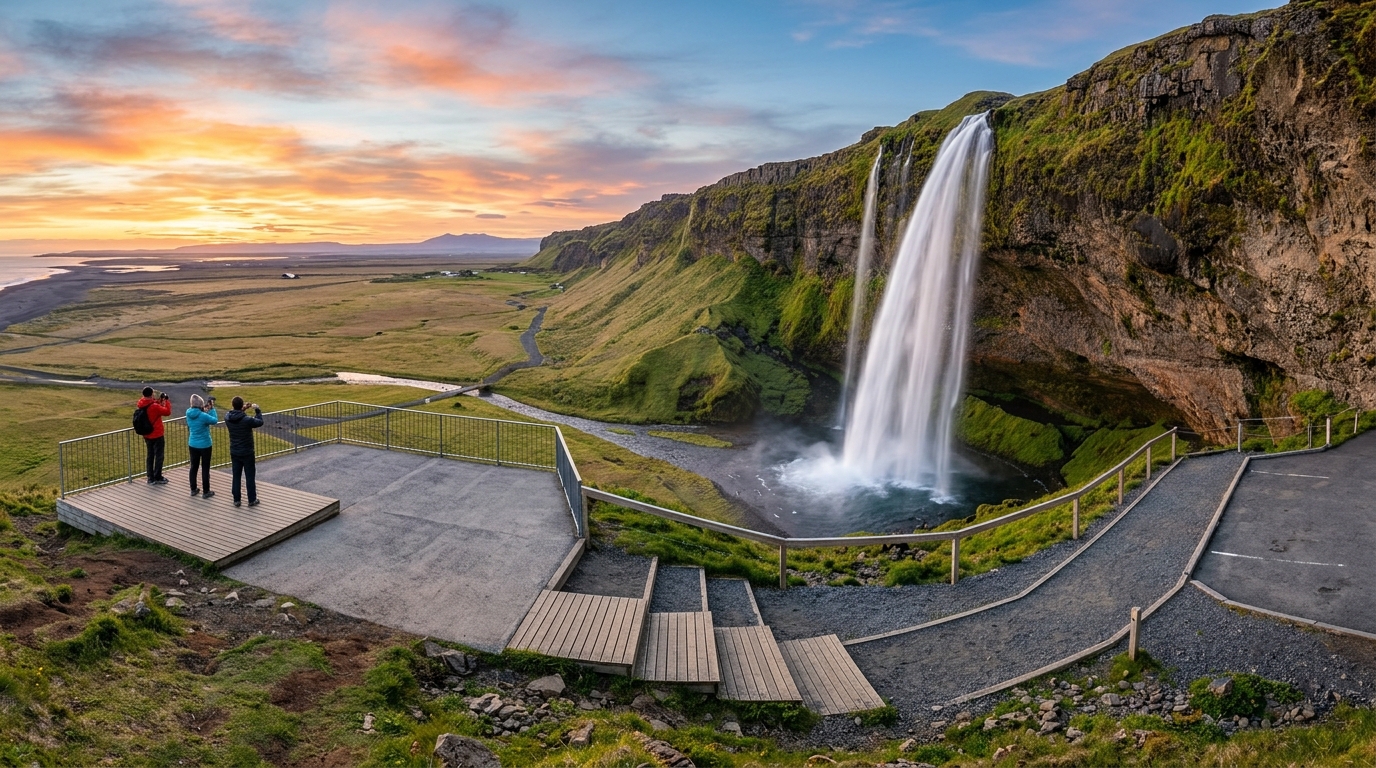
Accessible Photo Spots Iceland: 15 Stunning No-Hike Locations
Introduction: Capturing Iceland's Beauty Without the Sweat
There is no denying the majestic beauty of Iceland’s landscapes. From roaring waterfalls and towering glaciers to volcanic black sand beaches and dramatic coastal cliffs, the "Land of Fire and Ice" is a bucket-list destination for photographers worldwide. However, when you browse through breathtaking images of the Icelandic highlands or remote canyons, it is easy to assume that capturing such striking imagery requires grueling, multi-day treks. Fortunately, that is simply not the case. If you are looking for accessible photo spots Iceland, you will be thrilled to discover that some of the country's most iconic vistas require absolutely no hiking at all.
We understand that not every photographer wants or is able to embark on strenuous hikes. Whether you are traveling with heavy camera gear, visiting with young children, navigating a physical disability, or simply wanting to maximize your time by hopping from one stunning location to the next, Iceland caters beautifully to the drive-up photographer. In this comprehensive guide, we will introduce the concept of drive-up and easy-access photography locations, proving that you can capture world-class, award-winning images mere steps from your vehicle.
Why You Will Love These Accessible Photo Spots in Iceland
Choosing to focus your itinerary on accessible photo spots in Iceland comes with a multitude of benefits that can dramatically improve your photography experience. First and foremost, no-hike locations save you an incredible amount of time. Iceland’s weather is notoriously unpredictable, and light conditions can change in the blink of an eye. When your shooting location is just a few meters from the parking lot, you can quickly grab your gear and capture that fleeting golden hour light or sudden rainbow without having to sprint up a mountain.
Additionally, these easy to reach photo spots in Iceland allow you to carry much heavier gear. Instead of agonizing over which single lens to pack in a hiking backpack, you can bring your entire kit—including heavy telephoto lenses, multiple camera bodies, sturdy tripods, and a drone—knowing your car is right next to you. This opens up a world of creative possibilities that might otherwise be limited by weight restrictions on a long trail.
Most importantly, these locations offer vital accessibility for all ages and mobility levels. Iceland’s tourism infrastructure has improved vastly over the last decade, meaning many world-class sights are visible right from the parking lot. Throughout this guide, we will specifically highlight several wheelchair accessible Iceland locations, ensuring that physical limitations never stand in the way of capturing the raw, untamed magic of the Icelandic landscape.
Top Easy to Reach Waterfall Photo Spots
Iceland is famous for its waterfalls, and luckily, some of the most spectacular ones are incredibly easy to photograph. You don't need to scale slippery cliffs to get a front-row seat to these roaring cascades.
1. Skógafoss: Located right off the Ring Road, Skógafoss is a photographer's dream. The parking lot is situated on a flat, gravel plain that leads directly to the base of the 60-meter drop. You can capture the sheer scale of the falls without walking more than a few minutes on completely level ground. On sunny days, a massive double rainbow often forms in the mist, providing a perfect natural composition.
2. Seljalandsfoss: Just a short drive from Skógafoss, Seljalandsfoss is another iconic accessible photo spot in Iceland. The primary viewing area at the front of the waterfall is flat and very close to the parking area. While the path that goes behind the waterfall involves stairs and uneven, slippery rocks (and is not wheelchair accessible), the classic, wide-angle shot from the front meadow is completely hassle-free.
3. Goðafoss: Known as the "Waterfall of the Gods," this northern beauty is one of the most wheelchair accessible Iceland locations. The viewpoints on the west side of the waterfall feature paved, flat paths that lead straight from the parking lot to secure viewing platforms. You can easily set up a tripod here to capture long-exposure shots of the horseshoe-shaped falls.
4. Gullfoss: As a staple of the Golden Circle, Gullfoss offers exceptional accessibility. The upper parking lot features a flat, paved walkway leading to a dramatic overlook of the canyon and the multi-tiered waterfall. It is an ideal spot for panoramic photography.
Photography Tip: When shooting these easy to reach photo spots in Iceland, especially waterfalls, protecting your camera gear from mist is crucial. Even from the accessible viewing platforms, the spray can be intense. Always carry multiple microfiber cloths, use a lens hood to block stray droplets, and consider a rain sleeve for your camera body. To find more cascades tailored to your mobility level, explore our dedicated waterfall photography maps.
No Hike Photography Locations for Iconic Landscapes
Beyond waterfalls, Iceland’s diverse landscapes offer surreal backdrops that look like they belong on another planet. Here are some of the best no hike photography locations Iceland has to offer for landscape lovers.
5. Kirkjufell and Kirkjufellsfoss: The arrow-shaped mountain of Kirkjufell on the Snæfellsnes Peninsula is purportedly the most photographed mountain in Iceland. The classic composition includes the nearby Kirkjufellsfoss waterfall in the foreground. The parking lot is located right next to the falls. A short, well-maintained, and mostly flat walking path takes you to the bridge where you can align the waterfall and the mountain perfectly for that iconic shot.
6. Jökulsárlón Glacier Lagoon: This is arguably one of the most stunning accessible photo spots in Iceland. You can park your car and, within twenty steps, be standing on the shore of a vast lagoon filled with floating, glowing blue icebergs. The terrain is a mix of compact dirt and small pebbles, making it quite easy to navigate. A telephoto lens is fantastic here for compressing the icebergs against the distant glacier tongue.
7. Diamond Beach: Located just across the highway from Jökulsárlón, Diamond Beach is where the icebergs wash up onto the black volcanic sand. You can park right off the Ring Road and walk directly onto the flat beach. Photographing the crystal-clear ice chunks against the dark sand and crashing waves is an effortless, yet highly rewarding, experience.
8. Reynisfjara Black Sand Beach: Near the town of Vík, this famous beach features towering basalt columns and dramatic sea stacks (Reynisdrangar). The walk from the restaurant parking lot to the sand is flat and straightforward. However, photographers must remain vigilant here, as the "sneaker waves" are notoriously dangerous. Always keep a safe distance from the water's edge.
If you are building an itinerary focused on sweeping vistas, be sure to check out our comprehensive landscape photography maps to locate the best parking areas and viewpoints.
Wheelchair Accessible Iceland Locations: Churches & Culture
Iceland's architecture is as distinct as its nature, blending seamlessly into the dramatic environments. Many of the country's most photogenic cultural landmarks are also highly accessible.
9. Hallgrímskirkja: Towering over the capital city of Reykjavik, this iconic church is a masterpiece of modern architecture inspired by basalt lava flows. The exterior plaza is completely flat and paved, perfect for wide-angle architectural photography. Furthermore, it is one of the premier wheelchair accessible Iceland locations; an elevator takes visitors directly to the viewing deck, offering unobstructed, panoramic views of the city's colorful rooftops.
10. The Black Church of Búðir (Búðakirkja): Located on the Snæfellsnes Peninsula, this minimalist, pitch-black church set against a backdrop of mountains and a lava field is a favorite among photographers. The approach is entirely flat, with a small parking area right next to the churchyard walls. You can easily circle the perimeter to find your perfect composition without navigating any difficult terrain.
11. Glaumbær Turf Church and Farm: To capture Iceland's historical charm, the traditional turf houses and churches scattered across the country are a must-see. The Glaumbær museum in North Iceland features beautifully preserved turf buildings connected by flat, well-maintained paths. It provides a fantastic opportunity to photograph the unique grass-roofed architecture up close.
Coastal Views: Lighthouses You Can Drive To
Iceland’s rugged coastline is dotted with charming and dramatic lighthouses that serve as perfect focal points for landscape and seascape photography. Thankfully, many of these maritime beacons are incredibly easy to reach.
12. Reykjanesviti Lighthouse: Located on the geothermally active Reykjanes Peninsula, Reykjanesviti is Iceland's oldest lighthouse. You can drive right up to the base of this towering white structure. From the same accessible parking area, you can also photograph the dramatic coastal cliffs and the sea stacks of Valahnúkamöl. The flat, expansive ground makes it easy to set up a tripod for long exposures of the crashing Atlantic waves.
13. Svörtuloft Lighthouse: Situated on the westernmost tip of the Snæfellsnes Peninsula, this bright orange lighthouse contrasts brilliantly against the dark volcanic cliffs and the deep blue ocean. A relatively flat, short walking path from the parking area leads you to safe, accessible viewing platforms. The vibrant color of the lighthouse makes for striking, high-contrast imagery.
Safety Tip: When shooting coastal landscapes, safety is paramount. The beauty of these accessible photo spots in Iceland is that they offer safe vantage points without the need to navigate treacherous, slippery rocks. Always stay behind marked ropes and barriers, and never turn your back on the ocean. For more coastal inspiration, browse our lighthouse photography locations.
Bird Watching Photography Without the Trek
Iceland is a premier destination for bird photographers, particularly those hoping to capture the charming Atlantic Puffin. You do not need to hike up steep cliffs to get frame-filling shots of these colorful birds.
14. Dyrhólaey (Lower Parking Lot): While the upper lighthouse area of Dyrhólaey involves a steep drive and some uneven ground, the lower parking area is a fantastic, easy-access spot. From the flat viewpoints near the parking lot, you can often see puffins nesting in the cliffs during the summer months, as well as capture stunning shots of the famous rock arch extending into the sea.
15. Borgarfjörður Eystri: Located in the Eastfjords, this is arguably the best and most accessible place to photograph puffins in Iceland. The local community has built extensive wooden boardwalks and viewing platforms that are wheelchair accessible and completely flat. You can set up your tripod and telephoto lens just a few feet away from the nesting birds without disturbing them.
The best time of year to photograph puffins at these no hike photography locations in Iceland is between late May and mid-August. Early morning or late evening (which, during the midnight sun, offers glorious golden light) are the best times of day to catch them flying to and from the ocean. Discover more avian hotspots by visiting our bird photography maps.
How to Plan Your Route Using Our Maps
Planning a photography trip tailored to accessible photo spots in Iceland has never been easier. The Iceland Photo Map is designed specifically to help you find exactly what you are looking for without the guesswork.
Using our interactive platform, you can filter locations based on your specific interests. Whether you want to focus exclusively on Waterfalls, Landscapes, Churches, or Lighthouses, our toggle system allows you to declutter the map and view only the spots that matter to you. Each location pin provides crucial details about the site, including a preview image and geographical coordinates.
If you are unsure of how to get started, we highly recommend visiting our step-by-step how-to guide. This section of the site will teach you how to navigate the interactive maps, save your favorite locations, and build a custom itinerary based on your mobility needs and photography goals. By doing your research ahead of time, you can ensure that every stop on your road trip is an easy to reach photo spot in Iceland, maximizing your shooting time and minimizing travel stress.
Frequently Asked Questions (FAQ)
Do I need a 4x4 vehicle to reach these no hike photography locations in Iceland?
No, you do not necessarily need a 4x4 vehicle to reach the locations mentioned in this guide. The vast majority of these accessible photo spots in Iceland are located directly on or very close to the paved Route 1 (the Ring Road) or well-maintained secondary roads. A standard 2WD rental car is perfectly sufficient for visiting places like Skógafoss, Jökulsárlón, and Goðafoss during the summer months. However, if you are traveling in the middle of winter, a 4x4 is highly recommended for overall road safety due to snow and ice, regardless of your destination.
Are there wheelchair accessible Iceland locations for viewing the Northern Lights?
Absolutely! The Northern Lights can be viewed from anywhere in Iceland provided the sky is clear, it is dark, and the solar activity is sufficient. Many wheelchair accessible Iceland locations double as fantastic aurora viewing spots. For example, the paved viewing platforms at Goðafoss, the flat shores of Jökulsárlón Glacier Lagoon, and the accessible parking areas near the Grotta Lighthouse in Reykjavik are all excellent, flat, and easy-to-navigate places to set up a tripod for Northern Lights photography.
What is the best time of year to visit easy to reach photo spots in Iceland?
The best time of year depends entirely on what you want to photograph. Summer (June to August) is ideal for bird photography (like puffins at Borgarfjörður Eystri), lush green landscapes, and utilizing the midnight sun for endless golden hour light. Winter (November to March) transforms these same accessible photo spots in Iceland into winter wonderlands and offers the chance to photograph the Northern Lights. Spring and Autumn offer a great balance of manageable weather, fewer crowds, and beautiful transitional lighting.
Are the paths to these accessible photo spots paved or gravel?
It varies by location, but Iceland has made great strides in accessibility. Spots like Goðafoss, Hallgrímskirkja, and Gullfoss feature smooth, paved walkways or well-constructed wooden boardwalks that are highly wheelchair accessible. Other locations, such as Skógafoss and Jökulsárlón, feature flat, compacted dirt or fine gravel paths. While not paved asphalt, these compacted gravel areas are generally very level, lack steep inclines, and are easily navigable for those with mild mobility issues, strollers, or heavy rolling camera cases.
Conclusion: Start Planning Your Trip to Accessible Photo Spots in Iceland
Iceland's reputation as a rugged, wild frontier is well-earned, but as we have explored, you do not need to be an extreme mountaineer to capture its essence. From the thundering base of Skógafoss to the serene, floating ice of Jökulsárlón, the sheer variety of easy-to-reach locations available to photographers is astounding. We hope this guide has shown you that physical limitations, heavy gear, or tight schedules shouldn't stop anyone from capturing Iceland's magic.
By focusing your itinerary on these accessible photo spots in Iceland, you can spend less time navigating treacherous trails and more time doing what you love: composing beautiful images, experimenting with light, and taking in the awe-inspiring scenery.
Ready to plan your ultimate, hassle-free photography road trip? Explore our comprehensive Iceland Photo Map to discover and save the best accessible locations for your journey!