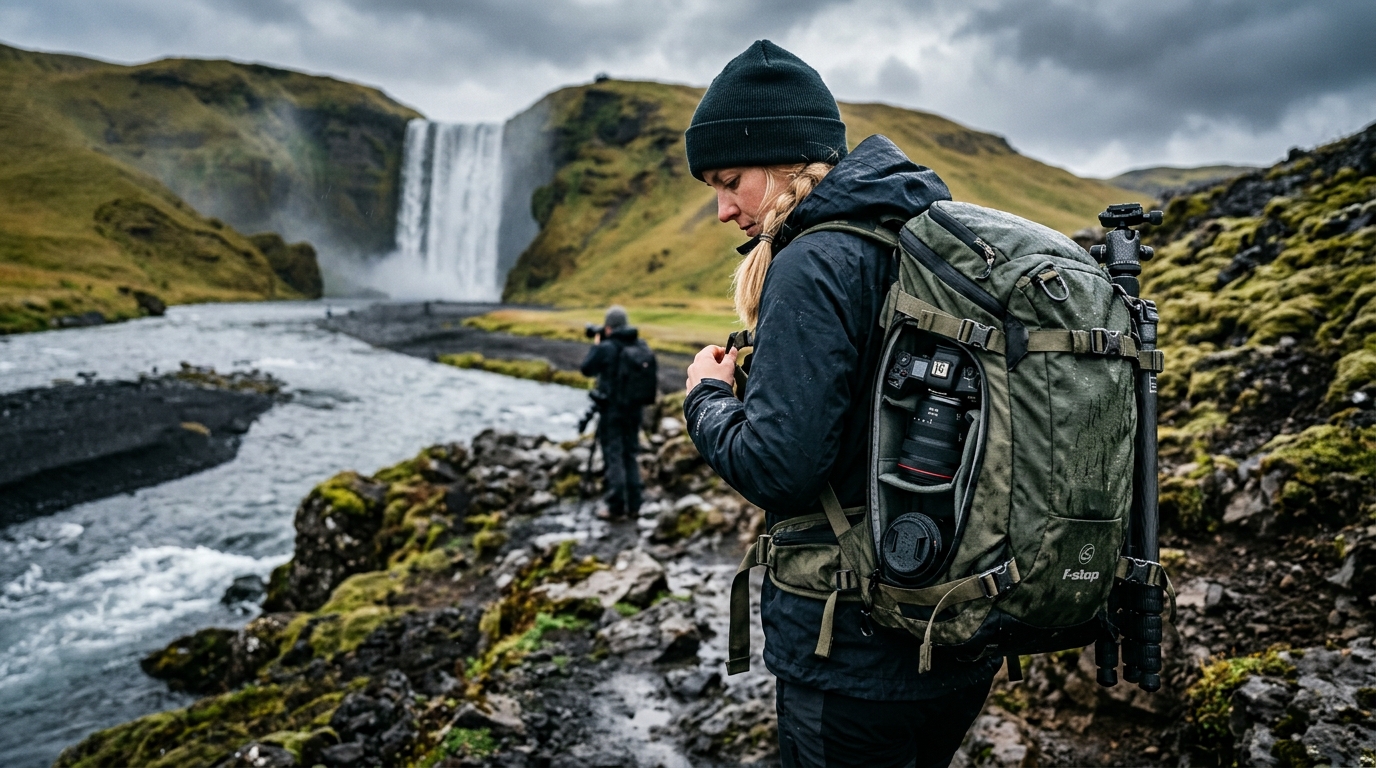
Introduction: Why Your Camera Bag is Your Gear's First Line of Defense in Iceland
Iceland, the land of fire and ice, offers unparalleled photographic opportunities – from dramatic waterfalls and black sand beaches to glacial lagoons and the ethereal Northern Lights. However, this breathtaking beauty comes with a significant challenge: an incredibly unique and rapidly changing environment. For any photographer venturing into this majestic landscape, your camera gear faces constant threats from sudden rain, relentless wind, sea spray, snow, and even abrasive volcanic ash.
In such a formidable setting, your choice of camera bag transcends mere convenience; it becomes your equipment's most crucial safeguard. A standard travel bag may not offer sufficient protection against the challenging elements of an Iceland photography adventure, where gear faces constant threats from sudden rain, relentless wind, sea spray, snow, and even abrasive volcanic ash. You need a specialized solution, engineered to protect your valuable investment in extreme conditions.
This comprehensive guide dives deep into selecting the best camera bags for Iceland photography. We'll explore the specific environmental challenges Iceland presents, highlight the essential features a robust camera bag must possess, recommend top-tier options tailored for different photographic styles and travel needs, and share smart packing strategies. By the end, you'll be equipped with the knowledge to choose a bag that keeps your gear safe, allowing you to focus on capturing those unforgettable Icelandic moments.
Iceland's Environmental Challenges: Why Standard Bags Won't Cut It
Understanding the unique stressors on your gear in Iceland is the first step to choosing the right protection. It's not just about a bit of rain; it's a relentless assault that demands robust solutions.
- Unpredictable Weather: Iceland is notorious for its "four seasons in one day" weather. A sunny morning can quickly turn into a torrential downpour, horizontal sleet, or a blustery snowstorm. Strong winds, especially along the coast and at elevated viewpoints, can drive rain and sea spray into every crevice. This constant fluctuation, a hallmark of the island's climate as detailed by the Icelandic Met Office's climate overview, means your bag needs to offer continuous, reliable weatherproofing, not just a temporary fix.
- Varied Terrain: Photography in Iceland often involves hiking over rugged lava fields, navigating slippery paths near powerful waterfalls like Dettifoss, traversing icy trails, or scrambling up hills for that perfect vantage point. Your camera bag must be comfortable to carry for extended periods, securely hold your equipment, and allow for freedom of movement. An ill-fitting or poorly balanced bag can quickly become a liability, increasing fatigue and the risk of falls.
- Dust and Debris: Beyond water, Iceland presents challenges from dust and particulate matter. Volcanic ash, fine sand from black sand beaches, and general dirt are ubiquitous. These tiny particles can easily infiltrate unprotected gear, causing damage to lenses, sensors, and camera bodies. Effective gear protection in Iceland means sealing out these abrasive elements as rigorously as water.
- Temperature Extremes: While not often extreme, temperatures in Iceland can fluctuate, especially between seasons and during the transition from outdoors to heated indoors. Cold weather can rapidly drain battery life, and moving warm gear into a cold environment, or vice-versa, can lead to condensation – a silent killer for electronics. Your camera bag needs to offer some thermal insulation and be designed to help manage these temperature shifts.
These combined factors underscore why investing in a purpose-built camera bag is not a luxury, but a necessity for any serious photographer in Iceland.
Essential Features of the Best Camera Bags for Iceland Photography
When seeking the best camera bags for Iceland photography, you need to look beyond aesthetics and brand names. Focus on practical features that directly address Iceland's environmental challenges.
-
Superior Weatherproofing: This is paramount.
- Waterproof vs. Water-Resistant: Understand the difference. 'Water-resistant' bags can handle light rain or splashes but will eventually soak through. 'Waterproof' bags, designed with sealed seams, specific coatings, and robust closures, can withstand prolonged exposure to heavy rain, spray, or even brief submersion. For Iceland, true waterproofing is highly recommended. Look for bags with high IP (Ingress Protection) ratings, indicating their resistance to both solids (dust) and liquids.
- Sealed Zippers and Roll-Top Closures: Standard zippers are weak points for water ingress. Opt for bags with weather-sealed, AquaGuard-style zippers or, even better, roll-top closures that create a completely watertight seal.
- Integrated Rain Covers: While a bag might be highly water-resistant, an integrated, easily deployable rain cover offers an extra layer of defense during downpours. Ensure it's tethered so it won't blow away in strong winds.
Expert Tip: Even with a waterproof bag, consider using smaller dry bags inside for your most sensitive electronics, like spare batteries or external hard drives, for ultimate peace of mind. For more on weatherproofing standards, REI's guide to understanding waterproof and breathable fabrics can be informative for understanding material performance and ratings like IP codes.
-
Durability and Construction: Your bag will take a beating.
- Materials: Seek out rugged, abrasion-resistant fabrics like ripstop nylon (e.g., 500D or 1000D Cordura), X-Pac, or high-denier polyester. These materials resist tears, punctures, and general wear and tear from rough surfaces.
- Reinforced Stitching: Pay attention to stress points – shoulder strap attachments, grab handles, and zipper seams should have reinforced stitching (e.g., bartacks) to prevent failure.
- Robust Hardware: Buckles, D-rings, and adjustment sliders should be made from sturdy, cold-resistant plastics or metal, not flimsy components that could snap under stress or in freezing temperatures.
Expert Tip: Cordura fabrics are well-known for their durability, often used in military and outdoor gear due to their exceptional tear and abrasion resistance. You can find more details on their specifications on sites like Cordura's official website.
-
Comfort and Ergonomics: Essential for long days exploring Iceland's landscapes.
- Padded Shoulder Straps and Hip Belts: Distribute weight effectively. A good hip belt transfers much of the load to your hips, relieving your shoulders.
- Adjustable Torso Length: Crucial for achieving a custom fit, especially for backpacks, preventing discomfort and improving stability.
- Breathable Back Panels: Airflow channels and mesh materials help prevent sweat buildup, keeping you more comfortable during strenuous hikes.
- Load Lifter Straps: Allow you to pull the top of the pack closer to your body, improving stability and comfort.
-
Accessibility and Organization: Quick access to your gear is key to not missing a shot.
- Quick-Access Pockets: Side or top access points allow you to grab your camera or a specific lens without fully opening the main compartment.
- Modular Dividers: Customizable, padded inserts allow you to configure the interior to fit your specific gear setup, keeping everything snug and protected.
- External Attachment Points: Straps and loops for tripods, trekking poles, water bottles, and extra layers are invaluable. Ensure tripod attachments are secure and balanced.
-
Security Features: While Iceland is generally safe, it's wise to protect your valuable equipment.
- Anti-Theft Zippers: Lockable zippers or those that can be tucked away can deter opportunistic theft.
- Hidden Pockets: Useful for passports, cash, and other small valuables.
- Robust Construction: A bag that's difficult to slash or tamper with adds another layer of security.
-
Capacity and Size: Balancing space for gear, personal items, and layers without being overly bulky.
- Gear Loadout: Consider what camera bodies, lenses, and accessories you realistically need.
- Personal Essentials: Don't forget space for water, snacks, a first-aid kit, and essential layers of clothing, especially for colder regions or unpredictable weather.
- Travel Considerations: If flying, ensure your bag meets airline carry-on regulations to avoid checking valuable equipment.
Top Picks: Recommended Camera Bags for Iceland Photography
Based on the rigorous demands of Iceland's environment, certain brands and models consistently rise to the top for their durability, weather protection, and thoughtful design. Here are our recommendations for the best camera bags for Iceland photography, categorized by their primary use.
Backpacks for Hikers and Serious Adventurers
For photographers who plan extensive hikes or carry a significant amount of gear, a dedicated photography backpack is indispensable. These often feature robust construction, excellent weight distribution, and superior weather sealing.
-
F-Stop Gear Mountain Series (e.g., Tilopa, Ajna, Shinn):
- Why they're great for Iceland: F-Stop bags are renowned for their modular system, utilizing Internal Camera Units (ICUs) that are removable and customizable. This allows you to tailor your gear setup precisely. Their mountain series packs are built with highly durable, weather-resistant materials (e.g., ripstop nylon), offer excellent ergonomic support with adjustable suspension systems, and come with integrated rain covers or highly water-resistant designs. They are designed for expeditions, making them ideal for long days exploring Iceland's diverse terrain.
- Key Features: Large capacity, external attachment points for tripods and other gear, comfortable hip belts, and a wide range of ICU sizes.
-
Shimoda Designs Explore Series (e.g., Explore V2 35L, 40L, 60L):
- Why they're great for Iceland: Shimoda bags are another favorite among adventure photographers. They boast exceptional weather resistance, often using abrasion-resistant nylon and YKK AquaGuard zippers. Their adjustable torso length and comfortable harness system make them suitable for diverse body types and long treks. Like F-Stop, they use Core Units for modular gear storage.
- Key Features: Rear and side access, dedicated laptop sleeve, multiple accessory attachment points, and a reputation for extreme durability.
-
Lowepro Whistler Series (e.g., Whistler BP 350 AW II, 450 AW II):
- Why they're great for Iceland: The Whistler series is specifically designed for extreme environments, offering robust protection against snow, rain, dust, and impact. They feature a rigid internal structure, thick padding, and are built with waterproof materials and an All Weather AW Cover for extra protection.
- Key Features: Large front pocket for avalanche shovel/probe (or extra layers), ample internal space, and a comfortable suspension system for heavy loads.
Sling Bags for Day Trips and Lighter Setups
For shorter excursions, quick access, or when you only need a mirrorless body and a couple of lenses, a sling bag can be a convenient option. They are less suitable for extensive hiking but excel in ease of use.
-
Peak Design Everyday Sling (e.g., 6L, 10L):
- Why they're great for Iceland: Peak Design is known for its innovative design and quality materials. The Everyday Sling offers quick, one-handed access to your gear, making it perfect for dynamic shooting situations. While not fully waterproof, its weather-resistant 400D nylon canvas shell and weather-sealed zippers provide good protection against light rain and splashes, which can be sufficient for quick dashes between locations or short walks.
- Key Features: FlexFold dividers for customizable organization, external carry straps, and a clean, modern aesthetic.
-
Tenba Solstice Sling (e.g., 7L, 10L):
- Why they're great for Iceland: The Solstice Sling offers a more traditional, secure design with side access. It's built with durable, water-repellent fabrics and YKK zippers, providing reliable protection. It's a comfortable option for lighter loads and offers excellent value.
- Key Features: Good padding, external tripod/water bottle pocket, and a comfortable, stable carry.
Roller Cases for Travel and Ultimate Protection
When flying into Keflavík (KEF) or moving between accommodations, especially if you have a large amount of sensitive equipment, a roller case offers unparalleled protection and ease of transport.
-
Think Tank Photo Roller Cases (e.g., Airport International V3.0, Airport Security V3.0):
- Why they're great for Iceland: Think Tank rollers are designed to maximize carry-on space while providing excellent protection. They are built with durable materials, have robust wheels, and often include a security cable and lock. They are highly organized and designed for professional photographers.
- Key Features: Dedicated laptop and tablet pockets, lockable zippers, and a reputation for fitting airline carry-on requirements.
-
Pelican Cases (e.g., 1510 Carry-On Case, Air 1535):
- Why they're great for Iceland: For the ultimate in protection against impact, water, and dust, Pelican cases are the industry standard. They are virtually indestructible, watertight, and dustproof. While heavier and less ergonomic for carrying long distances, they are perfect for transporting gear safely on flights or in the back of a rental car, especially if you're concerned about extreme conditions or rough handling.
- Key Features: Crushproof, dustproof, waterproof (IP67 rated), easy-open latches, and either pick-n-pluck foam or padded dividers for customization.
Modular Systems: The Best of Both Worlds
Many of the top backpack brands (F-Stop, Shimoda) utilize modular internal camera units (ICUs or Core Units). This approach offers incredible versatility, allowing you to use the same gear protection within different outer shells – from a small daypack to a large expedition pack, or even inside a standard travel bag for added security. This flexibility makes them a strong contender for a multifaceted trip to Iceland, where you might have varied photography needs.
No matter your choice, remember that the travel camera backpack Iceland or camera luggage Iceland you select is an investment in protecting your passion. Choose wisely, and your gear will thank you.
Packing Your Camera Bag for Iceland: Smart Strategies for Protection and Efficiency
Having the right bag is only half the battle; how you pack it is equally crucial for protecting your gear and ensuring an efficient workflow in Iceland's challenging conditions.
-
Layering and Dry Bags:
- Internal Dry Bags: Even with a highly waterproof bag, adding smaller, lightweight dry bags (e.g., from brands like Sea to Summit or Osprey) for your most sensitive items like extra batteries, memory cards, external hard drives, or even a second camera body, provides an invaluable secondary layer of protection against moisture.
- Ziploc or Sandwich Bags: For smaller items like lens cloths, lens caps, or remote triggers, these can offer quick, cheap protection against dampness.
-
Weight Distribution: Proper weight distribution is key for comfort and stability, especially when hiking.
- Heavy Items Low and Close: Place your heaviest lenses and camera bodies as low as possible in the main compartment, close to your back. This keeps the center of gravity stable and prevents the bag from pulling backward.
- Balance the Load: Try to distribute weight evenly side-to-side. If you have a heavy lens on one side, balance it with another item of similar weight on the opposite side.
-
Essential Accessories: Don't leave home without these.
- Microfiber Cleaning Cloths: Pack several. They'll quickly become damp from mist, spray, or rain. Keep a dry one in a sealed bag.
- Lens Caps and Body Caps: It's advisable to use them when a lens or body is not in use to prevent dust and damage.
- Silica Gel Packets: Place a few packets inside your bag's compartments to absorb excess moisture, especially important when moving between cold and warm environments.
- Extra Batteries: Cold weather drains batteries faster. Keep spares in an inner pocket, close to your body heat.
- Headlamp: Essential for early morning or late-night shoots, especially if chasing the Northern Lights.
-
Personal Items: Allocate space for these non-negotiables.
- Snacks and Water: Hydration and energy are crucial for long days outdoors.
- First-Aid Kit: A small, personal kit for minor scrapes or blisters.
- Extra Layers of Clothing: A waterproof outer shell, a warm mid-layer, gloves, and a hat are indispensable in Iceland's unpredictable climate.
-
Tripod Attachment:
- Secure and Balanced: Ensure your tripod attachment system is robust and holds the tripod securely without wobbling. Side attachment is common, but some bags offer front or bottom carry. Practice attaching and detaching it quickly.
- Consider Balance: A heavy tripod can throw off the balance of your pack. Test your loaded pack with the tripod attached before you go.
Beyond the Bag: Additional Gear Protection Tips for Your Iceland Adventure
While your camera bag is your primary defense, a multi-layered approach to gear protection will ensure maximum safety and longevity for your equipment in Iceland's demanding conditions. The How-To guides on Iceland Photo Map also offer valuable insights into preparing for your trip.
- Camera Rain Covers: For active shooting in wet conditions, a dedicated camera rain cover is non-negotiable. These allow you to operate your camera and lens while keeping them dry. Look for ones that fit your camera/lens combination well and allow access to controls. Brands like Think Tank Photo, Peak Design, and AquaTech offer excellent options.
- Protective Filters: It's highly recommended to use a high-quality UV or clear protective filter on the front of your lenses. These act as a sacrificial layer, shielding your expensive front element from sea spray, dust, sand, and accidental bumps. It's much cheaper to replace a filter than a lens.
- Lens Hoods: Beyond preventing lens flare, lens hoods offer a physical barrier against light rain, mist, and minor impacts. It's beneficial to keep them on your lenses when shooting.
-
Cleaning Kits: A basic cleaning kit is essential.
- Blower Brush: For removing dust and sand from lenses and camera bodies without touching the surface.
- Lens Wipes/Solution: For safely cleaning smudges or water spots from lens elements.
- Sensor Cleaning Kit: If you're comfortable with it, a basic sensor cleaning kit can be a lifesaver for removing stubborn dust spots, though careful lens changes can minimize this need.
-
Battery Management: Cold temperatures significantly reduce battery life.
- Keep Spares Warm: Store spare batteries in an inner pocket of your jacket or pants, close to your body, to keep them warm. Rotate them throughout the day.
- Fully Charged: Start each day with fully charged batteries.
-
Condensation Prevention: Moving from cold outdoor temperatures to warm, humid indoor environments is a prime cause of condensation, which can damage electronics.
- Acclimatize Gear: When moving indoors from the cold, place your camera and lenses (still in their bag) into a large Ziploc bag or a sealed plastic container *before* entering the warm building. This traps the cold air inside, allowing your gear to slowly warm up to room temperature without external moisture condensing on it.
- Silica Gel: As mentioned, silica gel packets in your bag can help absorb any ambient moisture.
- Avoid Opening Immediately: Resist the urge to open your camera bag or take out your gear immediately upon entering a warm space. Give it at least an hour or two to slowly adjust.
By combining a superior camera bag with these smart protection strategies, you'll be well-prepared to tackle any photographic challenge Iceland throws your way. Don't forget to check out our Iceland Landscape Photo Maps to find the best spots where these strategies will come in handy!
Conclusion: Invest in Protection, Capture Unforgettable Moments
Iceland is a photographer's dream, a land of unparalleled natural drama and ethereal beauty. But to truly immerse yourself in its landscapes and capture its magic, you must prioritize the safety of your invaluable camera gear. Choosing the right camera bag is not just about carrying your equipment; it's about investing in the peace of mind that allows you to fully engage with your surroundings, knowing your tools are protected from the elements.
From the superior weatherproofing and rugged durability demanded by Iceland's unpredictable climate, to the ergonomic comfort for traversing challenging terrains, and the thoughtful organization for quick access, every feature plays a vital role. Whether you opt for an expedition-ready backpack, a nimble sling, or an ultra-protective roller case, ensure it aligns with your specific photography style and the amount of gear you plan to bring.
By making an informed decision and implementing smart packing strategies, you empower yourself to face Iceland's environmental challenges head-on. This preparation allows you to focus less on worry and more on the artistry of capturing stunning images – images that will serve as timeless reminders of your extraordinary Iceland photography adventure.
Ready to plan your photography adventure? Explore our Iceland Photo Maps to discover breathtaking locations and ensure your gear is ready for anything!
Frequently Asked Questions
What makes a camera bag 'waterproof' versus 'water-resistant' for Iceland?
The distinction is critical for Iceland's conditions. A 'water-resistant' bag can repel light rain or splashes for a limited time, often due to a DWR (Durable Water Repellent) coating or tightly woven fabric. It will eventually get soaked through in prolonged or heavy rain. A 'waterproof' bag, on the other hand, is designed to prevent water ingress entirely. This is achieved through specific materials (e.g., coated fabrics, laminated membranes), sealed seams, watertight zippers (like YKK AquaGuard), or roll-top closures that create a complete seal. For Iceland, where you'll encounter heavy downpours, sea spray, and snow, a truly waterproof bag or one with an integrated, robust rain cover is highly recommended to protect your valuable equipment.
Should I bring a backpack or a roller case for my Iceland photography trip?
The best choice depends on your itinerary and photography style. Backpack: Ideal if your trip involves significant hiking, exploring remote locations, or if you need to carry your gear for extended periods. Backpacks offer superior comfort, weight distribution, and often more robust weather protection for active use. They are usually your best bet for getting to those iconic waterfall or landscape shots. Roller Case: Best for travel days (airports, hotels) and when moving between different accommodations. However, they are impractical for rough terrain or long walks. Many photographers use a roller case for their main gear transport and a smaller, lighter backpack or sling for daily excursions. Consider bringing both if your trip includes varied activities.
How can I prevent condensation on my camera gear in Iceland's cold weather?
Condensation occurs when cold gear is suddenly exposed to warm, humid air. To prevent this:
- Acclimatize Slowly: Before moving your gear from a cold outdoor environment to a warm indoor one, place your camera and lenses (still in the camera bag) into a large, sealable plastic bag (like a heavy-duty Ziploc).
- Seal the Bag: Squeeze out as much air as possible before sealing the plastic bag.
- Allow to Warm Up: Let the sealed bag sit in the warm indoor environment for at least 1-2 hours (or longer for extreme temperature differences) until the gear inside has slowly warmed to room temperature. This prevents warm, moist air from contacting the cold surfaces of your equipment.
- Silica Gel: Keep silica gel packets inside your camera bag to absorb any ambient moisture.
What are the most important features to look for in a camera bag for hiking in Iceland?
For hiking in Iceland, prioritize these features:
- Superior Weatherproofing: Look for truly waterproof materials, sealed zippers, and/or a reliable integrated rain cover to combat rain, snow, and spray.
- Comfort and Ergonomics: Padded, adjustable shoulder straps, a robust hip belt, and a breathable back panel are essential for long treks and weight distribution.
- Durability: High-denier, abrasion-resistant fabrics (e.g., Cordura, ripstop nylon) and reinforced stitching will withstand rough terrain.
- Accessibility: Quick side or top access to your camera and lenses means you won't miss a shot.
- Capacity: Enough space for your camera gear, plus essential personal items like water, snacks, and extra layers of clothing.
- Tripod Attachment: Secure, balanced external attachment points for your tripod.
Are there any specific brands known for their durable and weather-sealed camera bags suitable for Iceland?
Yes, several brands are highly regarded by professional and adventure photographers for their robust, weather-sealed bags that are perfect for Iceland's challenging conditions: F-Stop Gear: Known for their modular system (ICUs) and expedition-grade backpacks designed for extreme outdoor environments. Shimoda Designs: Another top choice for adventure photographers, offering excellent ergonomics, durable materials, and weather protection with their Core Units. Lowepro (Whistler Series): Specifically engineered for harsh conditions, providing excellent gear protection and carrying comfort. Pelican: While primarily known for hard cases, their roller cases offer the ultimate in waterproof, crushproof protection for transport. Think Tank Photo: Offers highly durable and well-organized roller cases and backpacks, often with strong weather resistance, though not often fully waterproof like a Pelican. These brands consistently deliver the quality and protection needed for an Iceland photography adventure.