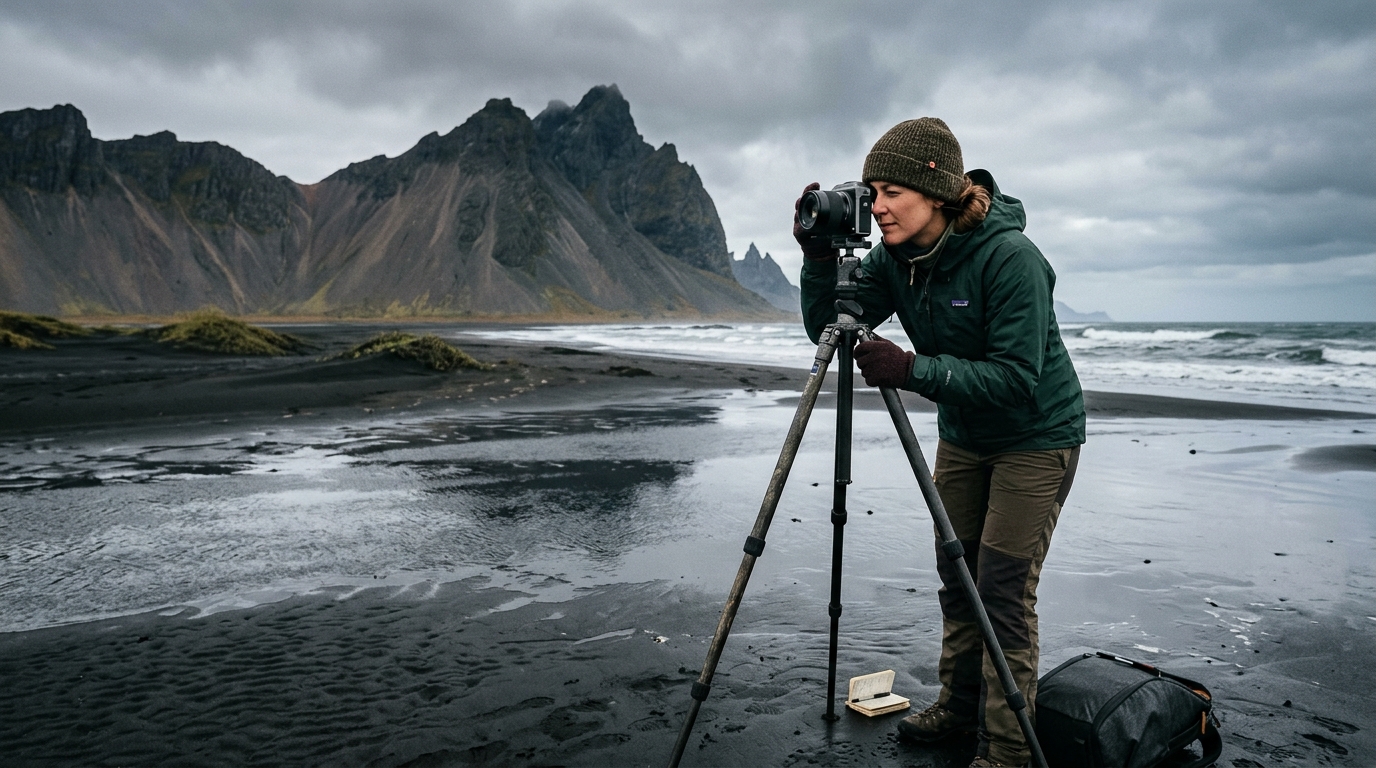
Understanding the Basics of Iceland Photography Copyright Laws
Icelandic copyright legislation, known as *Höfundalög* (The Copyright Act), provides robust protection for creative works, including photography. Under Icelandic law, copyright protection is automatic; the moment you capture an original image, you hold the exclusive rights to that intellectual property. According to the Ministry of Culture and Business Affairs, there is no formal registration process required in Iceland to establish your copyright, as protection is granted by the act of creation itself. The law distinguishes clearly between two primary sets of rights:- Economic Rights: These allow you to control how your work is reproduced, distributed, and communicated to the public. This is the foundation for selling landscape photos or licensing images to magazines and travel agencies.
- Moral Rights: These protect your connection to the work, ensuring you receive proper attribution and preventing your images from being used in a manner that harms your professional reputation.
Commercial Photography Permits Iceland: When Do You Need One?
The necessity for a permit often hinges on the distinction between personal, editorial, and commercial photography. While taking photos for your own enjoyment is generally unrestricted, the moment you intend to use those images for profit—or if your setup involves significant equipment—you may cross the threshold into commercial activity. Rules for shooting on private land differ significantly from those governing public land. In Iceland, the Environment Agency of Iceland (UST) manages protected areas, such as national parks and nature reserves. If you are filming or shooting for a commercial project—such as a brand campaign or a high-end stock photography series—you must secure a permit from the UST if the location falls under their jurisdiction, as outlined in the official permit guidelines. Common pitfalls for photographers often involve:- Drone Operations: The Icelandic Transport Authority enforces strict airspace regulations. Always check for No-Fly Zones (NFZs) near sensitive nesting sites or high-traffic tourist areas.
- Large Film Crews: If your production includes lighting rigs, drones, or a large crew, you are almost certainly required to apply for a permit, even on land that appears "wild."
- Public vs. Private: Many iconic locations, like the famous Búðakirkja church, are situated on private property. Always seek permission from the landowner before setting up a tripod for a commercial shoot.
Selling Landscape Photos: Legal Considerations for Photographers
When moving from hobbyist to professional, the legal landscape of selling your work becomes more complex. Licensing your images requires a clear understanding of what you are selling. Are you selling a one-time print, or are you granting a multi-year commercial license? A primary concern is the use of recognizable subjects. While you generally own the copyright to the photo, you do not own the rights to the subject matter if it is a trademarked building or a private residence. For example, when selling photos of churches or specific architectural landmarks, you must ensure that your commercial use does not violate the building’s proprietary rights or local zoning ordinances. Best practices for selling prints include:- Model Releases: If your photo features recognizable individuals, it is standard industry practice to obtain a signed model release to protect against claims regarding the commercial use of a person's likeness.
- Property Releases: For private estates or unique structures, a property release is a vital safeguard against future litigation.
- Platform Compliance: When utilizing platforms like the Iceland Photo Map ecosystem, ensure your descriptions accurately reflect the location and that you have followed the site-specific access guidelines provided.
Navigating Iceland Photography Copyright Laws on Public vs. Private Land
The Icelandic concept of *Almannaréttur* (the Right of Public Access) is a cornerstone of Icelandic culture, allowing the public to traverse and enjoy uncultivated land. However, it is a common misconception that this right grants photographers carte blanche for commercial operations. *Almannaréttur* is intended for recreation and hiking, not for commercial exploitation. If you are conducting a professional photoshoot, the limitations of this access become apparent. Landowners generally control access to their property and may request that photographers leave if they are causing a disturbance. To verify land ownership before a major shoot, consult the local municipal land registry or contact the local tourism office. If you are planning an itinerary, using tools like our digital photography atlas can help you distinguish between public lands where you have more freedom and private sites where you must secure written consent.Protecting Your Intellectual Property in the Digital Age
The ease with which images are shared online makes copyright infringement a constant threat. Protecting your work requires a proactive, multi-layered approach. First, your watermarking strategy should be subtle yet effective. A large, intrusive watermark can ruin the artistic integrity of a landscape shot, but a transparent logo in the corner or a subtle overlay can deter casual theft. More importantly, ensure your EXIF data is complete. Always include your copyright notice, contact information, and website URL in the metadata of every export. If you discover your work has been used without permission:- Document the Infringement: Take screenshots and save the URL of the unauthorized usage.
- Send a Takedown Notice: Often, a formal email requesting a license fee or the immediate removal of the image is enough to resolve the issue.
- Utilize Digital Registries: Consider registering your work with services that track image usage across the web, providing you with automated alerts when your visual assets appear on new domains.
Ethical Photography and Environmental Stewardship
Copyright and environmental ethics are deeply intertwined. In Iceland, the moss and volcanic terrain are incredibly fragile. When a photographer captures a "unique" shot by trampling over protected moss to get a specific angle, they are not only acting unethically but potentially creating a liability for the entire photography community. Responsible shooting protects access for all. By following best-practice guidelines, you ensure that landowners and the Environment Agency remain open to allowing photographers on their land. Many professionals now choose to link their work to conservation efforts, donating a portion of their print sales to local environmental NGOs. This builds a positive reputation and fosters a community where photography is seen as a force for preservation rather than a burden on the landscape.Practical Planning: Using Maps to Stay Compliant
Integrating legal research into your pre-trip workflow is the hallmark of a professional. Before you arrive, use location data to identify whether a spot is in a protected zone, on private land, or requires a specific permit. Our curated photography maps provide a wealth of information regarding site accessibility, legal status, and even the best times to visit to avoid crowds. By planning your itinerary around these data points, you can avoid the headache of arriving at a site only to find it closed to commercial activity.Comparison of Photography Access Levels
| Location Type | Personal Use | Commercial Use | Permit Needed |
|---|---|---|---|
| National Parks (UST) | Allowed | Requires Permit | Yes |
| Public Roadside | Allowed | Generally Permitted | No |
| Private Property | Access Granted* | Landowner Consent | Yes |
| Protected Nature Reserves | Restricted Paths | Strictly Controlled | Yes |
Frequently Asked Questions
Do I need a permit to take photos in Iceland for personal use?
No, you do not need a permit for personal, non-commercial photography. You are free to capture the landscape for your own portfolio or social media, provided you stay on marked paths and respect the fragile environment.
Are there specific copyright laws for drone photography in Iceland?
While drone photography is subject to the same general copyright laws as traditional photography, it is governed by strict aviation regulations. You must ensure you are not flying in restricted airspace, and any commercial drone work typically requires a separate permit from the Icelandic Transport Authority and potentially the local landowner.
Can I sell photos of Icelandic churches or lighthouses without permission?
For most public-facing structures, you can sell your photos as fine art. However, if you are using the image for a commercial product, you may need a property release. Always verify if the specific church or lighthouse is on private land that prohibits commercial activity.
What is the penalty for unauthorized commercial photography in protected areas?
Unauthorized commercial activity in protected areas managed by the Environment Agency can lead to immediate expulsion, fines, and the potential confiscation of equipment. It also risks future access bans for the photography community at that location.
Where can I find official information on Icelandic copyright?
For the most current legal framework, photographers should refer to the Ministry of Culture and Business Affairs, which oversees the implementation of the Copyright Act in Iceland.
Ready to plan your next legal and ethical photography trip? Explore our curated photography maps to find the best spots that respect local regulations and land access. Whether you are searching for the perfect waterfall or a remote industrial landscape, our tools are designed to keep you compliant, safe, and inspired.