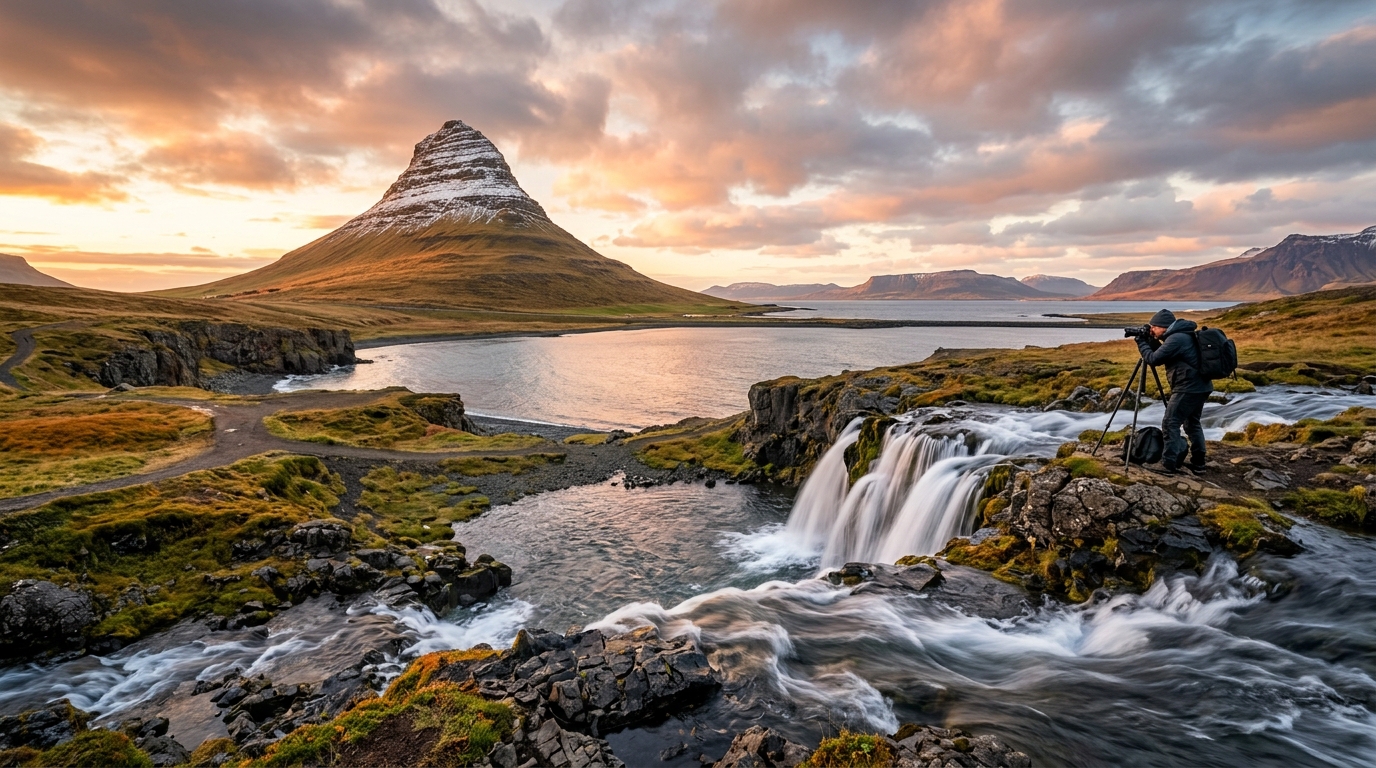
Snaefellsnes Photography Locations: The Ultimate Guide to 'Iceland in Miniature'
Introduction: Welcome to 'Iceland in Miniature'
If you are planning a photography trip to the Land of Fire and Ice, deciding where to spend your limited time can be an overwhelming task. The country is vast, with spectacular scenery scattered across every region. However, if there is one place that perfectly encapsulates the diverse, rugged beauty of the entire country, it is the Snaefellsnes peninsula. Often referred to as "Iceland in Miniature," this incredible stretch of land offers a staggering concentration of the country's most iconic landscapes. If you are searching for the best Snaefellsnes photography locations, you have come to the right place.
The appeal for photographers is truly unmatched. Within just a short drive, you can transition from framing thunderous waterfalls and towering volcanic mountains to capturing the moody atmosphere of black sand beaches and dramatic coastal cliffs. It is a microcosm of Iceland’s diverse landscapes, offering endless compositional opportunities without the need to drive the entire Ring Road. Whether you are an amateur with a smartphone or a seasoned professional with a bag full of lenses, this region will test your creativity and reward you with portfolio-defining images.
This comprehensive guide sets out to uncover the ultimate spots for photographing western Iceland. We will dive deep into the classic viewpoints, reveal a few hidden gems, and provide the technical tips you need to make the most out of every single shutter actuation. Pack your gear, prepare for unpredictable weather, and let’s explore the visual wonders of the Snaefellsnes peninsula.
Why Snaefellsnes Photography Locations Are a Must-Visit
One of the primary reasons Snaefellsnes photography locations are so highly regarded is their incredible accessibility. Located just about a two-hour drive north of Reykjavik, the peninsula is the perfect destination for those who want to experience the wildness of Iceland without venturing into the remote Highlands or committing to a multi-day expedition to the East Fjords. You can easily base yourself in the capital or a nearby town like Borgarnes and embark on a dedicated photography road trip.
Beyond convenience, the peninsula is famous for its unique microclimates and an astonishing variety of lighting conditions. Because the peninsula juts out into the Atlantic Ocean, the weather changes rapidly. As a photographer, this means you might experience a moody, overcast sky perfect for dramatic black-and-white photography in the morning, followed by brilliant, piercing sunshine cutting through the clouds by the afternoon. The interplay of light and shadow across the volcanic terrain makes these Snaefellsnes photography locations endlessly dynamic.
Furthermore, this region boasts profound year-round appeal. In the height of summer, the phenomenon of the midnight sun allows you to shoot under golden hour conditions that last for hours on end. The landscapes are lush, green, and vibrant. Conversely, winter transforms the peninsula into a stark, monochromatic wonderland. Snow-capped peaks, frozen waterfalls, and the elusive, dancing ribbons of the northern lights (aurora borealis) make winter photography here a challenging but highly rewarding pursuit.
Kirkjufell Photography: Capturing Iceland's Most Famous Mountain
No guide to western Iceland would be complete without a deep dive into Kirkjufell photography. Known as "Arrowhead Mountain" to fans of Game of Thrones, Mount Kirkjufell is arguably the most photographed mountain in all of Iceland. The iconic composition involves standing near the cascading tiers of Kirkjufellsfoss waterfall and using the flowing water as a dynamic foreground leading up to the distinct, conical peak of the mountain in the background.
To nail this classic shot, you will want to utilize a wide-angle lens (typically between 14mm and 24mm) to capture both the width of the waterfalls and the towering presence of the mountain. Using a sturdy tripod and a neutral density (ND) filter will allow you to drag your shutter—usually between 0.5 to 2 seconds—to render the water as a silky, ethereal flow while keeping the mountain razor-sharp. If you love shooting spectacular Icelandic waterfalls, this location will undoubtedly be the highlight of your trip.
When it comes to the best time of day for Kirkjufell photography, both sunrise and sunset offer spectacular opportunities. However, because the mountain faces north, summer sunsets often cast a magnificent side-light that illuminates the ridges of the peak. Sunrise is generally less crowded, allowing you to secure the best vantage points without elbowing other photographers. Seasonal variations also play a massive role here. Summer brings vibrant green slopes and blooming lupines, while winter offers the chance to capture the aurora borealis swirling over a snow-covered peak—a true bucket-list image for any landscape photographer.
Arnarstapi Photo Spots: Coastal Cliffs and Sea Arches
Moving to the southern coast of the peninsula, you will find a dramatically different but equally mesmerizing landscape. The Arnarstapi photo spots are defined by their sheer coastal cliffs, hexagonal basalt columns, and the relentless, crashing waves of the North Atlantic. The walk between the small hamlets of Arnarstapi and Hellnar is a photographer's playground, offering elevated viewpoints over the churning ocean.
The crown jewel of Arnarstapi is undoubtedly Gatklettur, a magnificent circular sea arch naturally carved out of the volcanic rock by centuries of oceanic erosion. Framing the swirling water through the arch makes for a compelling composition. Long exposure photography works exceptionally well here; a shutter speed of 5 to 10 seconds will smooth out the aggressive waves into a misty haze, contrasting beautifully with the harsh, jagged textures of the dark basalt cliffs.
While the Arnarstapi photo spots are breathtaking, they command immense respect. Safety must be your top priority. The cliff edges are prone to crumbling, and the wind in this area can be violently unpredictable. Never stand right on the edge of a precipice just to get a slightly better angle, and always keep an eye on the ocean to avoid being caught off guard by a "sneaker wave." A telephoto lens can be incredibly useful here, allowing you to compress the dramatic sea stacks from a safe, secure distance.
Búðakirkja: The Iconic Black Church of Snaefellsnes
Just a short drive east of Arnarstapi lies one of the most minimalist and striking architectural subjects in the country: the black church of Búðakirkja. Set against a backdrop of rugged, often snow-dusted mountains and surrounded by a sprawling, textured lava field (Búðahraun), this pitch-black wooden church provides a stunning focal point for landscape photographers.
The beauty of Búðakirkja lies in its striking contrast. Whether it is set against the vibrant greens and yellows of summer grasses or the stark, blinding white of freshly fallen winter snow, the black tarred wood of the church stands out dramatically. When photographing Búðakirkja, consider using compositional techniques that emphasize its isolation. Use the low stone wall or the winding pathway as leading lines to draw the viewer's eye directly to the structure. Alternatively, you can shoot from a lower angle to isolate the church entirely against the vast, moody Icelandic sky, utilizing negative space to evoke a sense of solitude.
While Búðakirkja is arguably the most famous, it is worth referencing other picturesque churches in Iceland for context. The country is dotted with these solitary structures, each offering a unique photographic narrative. Exploring historic Icelandic churches allows photographers to capture the intersection of human history and the overwhelming scale of nature, a theme that resonates deeply throughout western Iceland.
Djúpalónssandur and Dritvík: Dramatic Black Sand Beaches
No photographic journey through Iceland is complete without capturing the moody, atmospheric potential of its volcanic coastlines. Djúpalónssandur and Dritvík are dramatic black sand and pebble beaches that offer a wild, untamed aesthetic. Unlike the famous Reynisfjara in the south, Djúpalónssandur feels more secluded, framed by towering, jagged lava rock formations that look like petrified trolls.
One of the most compelling photographic subjects at Djúpalónssandur is the rusted remains of the Epine GY7, a British fishing trawler that was wrecked on the shore in 1948. The scattered, rusted iron pieces lying across the smooth, pitch-black pebbles create a powerful visual contrast of color and texture. Getting close to these twisted metal fragments with a wide-angle lens, while keeping the roaring ocean in the background, tells a poignant story of nature's formidable power.
A short hike from Djúpalónssandur brings you to the Dritvík cove. Here, the jagged lava rock formations frame the bay perfectly. Photographers can use these dark, towering rocks as natural frames for the ocean beyond. Overcast, gloomy days are actually ideal for photographing these beaches, as the soft, diffused light enhances the deep blacks of the sand and the rich, oxidized oranges of the shipwreck.
Hidden Snaefellsnes Peninsula Photo Spots You Shouldn't Miss
While Kirkjufell and Arnarstapi draw the majority of the crowds, exploring the lesser-known Snaefellsnes peninsula photo spots will reward you with unique images that stand out from the typical tourist portfolio. Escaping the crowds allows you to connect more deeply with the landscape and take your time setting up the perfect composition.
One such hidden gem is the Svörtuloft Lighthouse, located on the far western tip of the peninsula. This bright orange lighthouse stands in stark, vibrant contrast to the dark, sheer bird cliffs it sits upon. If you enjoy photographing Icelandic lighthouses, this remote spot offers incredible color contrast, especially when juxtaposed against the deep blues of the Atlantic Ocean.
Another spectacular location is the Lóndrangar basalt pinnacles. These massive volcanic plugs rise out of the ocean like a dark castle. While there is a main viewing platform, hiking along the coastal path offers unique, less-photographed angles. Finally, the secret Rauðfeldsgjá Gorge is a must-visit for adventurous photographers. This narrow, mystical cleft in a massive rock face requires you to step through a small stream to enter. Inside, you will need a very wide-angle lens and a high ISO to capture the towering, moss-covered walls enclosing you in shadow.
When seeking out these hidden spots, it is imperative to encourage exploration while respecting local nature guidelines. The vibrant green Icelandic moss is incredibly fragile and can take decades to recover if trampled. Always stay on marked paths, never drive off-road, and ensure your pursuit of the perfect shot does not come at the expense of the environment.
Essential Gear for Photographing Western Iceland
Photographing western Iceland presents unique environmental challenges that require specific gear. The weather on the Snaefellsnes peninsula is notoriously fickle; you can experience rain, wind, hail, and brilliant sunshine all within the span of an hour. Being prepared is the key to coming away with spectacular images.
First and foremost, a heavy-duty, sturdy tripod is non-negotiable. The winds sweeping off the Atlantic can easily cause camera shake or even topple a lightweight travel tripod. If you plan on doing long exposures of waterfalls like Kirkjufellsfoss or seascapes at Arnarstapi, a solid base is essential. Consider a tripod with spiked feet for gripping into ice or wet turf, and a hook on the center column to hang your camera bag for added stability.
In terms of lenses, versatility is crucial. A wide-angle lens (16-35mm) is perfect for sweeping landscapes, expansive black sand beaches, and getting close to foreground elements while keeping vast backgrounds in the frame. However, do not leave your telephoto lens (70-200mm or even up to 400mm) at home. A telephoto lens is incredible for compressing mountain peaks, isolating details in the lava fields, or safely photographing crashing waves from a distance.
Finally, emphasize the importance of weather-sealed gear. The combination of unpredictable rain and salty ocean spray means your camera will get wet. Carry multiple high-quality microfiber cloths in easy-to-reach pockets to constantly wipe down your front element. A simple rain sleeve for your camera can also be a lifesaver when shooting in the mist of a waterfall or during a sudden squall.
Planning Your Route: Map Out Your Snaefellsnes Photography Locations
To truly maximize your time and ensure you capture the best Snaefellsnes photography locations, meticulous planning is required. While it is possible to drive around the peninsula in a single day, a 1-2 day itinerary is highly recommended. This allows you to shoot at a relaxed pace, wait out passing rainstorms, and ensure you are at key locations during optimal lighting conditions.
A popular route is to tackle the peninsula counter-clockwise. Start your morning driving up from Reykjavik, hitting the southern spots like Búðakirkja, Arnarstapi, and Djúpalónssandur. Spend the night near the western tip or the northern coast, putting you in the perfect position to photograph Kirkjufell at sunrise the following morning. From there, you can explore the northern fjords and hidden waterfalls before heading back south.
This is where using a dedicated photography map becomes an invaluable asset. Rather than relying on generic tourist maps that only show the parking lots, a photography-specific map can save you hours of scouting. It helps you catch the best light by showing you which direction a location faces. Highlighting the convenience of having exact GPS coordinates for both famous landmarks and hidden, off-the-beaten-path spots means you spend less time searching and more time shooting. By utilizing an interactive Iceland Photo Map, you can build a highly efficient, customized itinerary tailored exactly to your photographic goals.
Conclusion: Start Your Western Iceland Adventure
The Snaefellsnes peninsula is a true marvel of the natural world. From the perfectly shaped peak of Kirkjufell to the hauntingly beautiful black sands of Djúpalónssandur, the incredible diversity of this region makes it an absolute paradise for photographers. It truly earns its moniker as "Iceland in Miniature," offering a condensed, accessible, and overwhelmingly beautiful cross-section of the country's best features.
As you embark on your journey, we encourage you to embrace the wild, unpredictable nature of Iceland. The weather may not always cooperate, and the winds may howl, but it is precisely these raw, dramatic conditions that create the most compelling, emotive landscape photography. Let the moody skies and rugged terrain inspire your creativity.
Don't leave your shot list to chance. Promptly plan your upcoming trip with precision so you can focus entirely on your art once you arrive. Use the right tools to guide your adventure and ensure you return home with memory cards full of masterpieces.
Frequently Asked Questions
How much time do I need to photograph the Snaefellsnes peninsula?
While you can technically drive around the entire peninsula in a single, long day (about 10-12 hours round trip from Reykjavik), this leaves very little time for actual photography, especially if you want to wait for the best light or shoot long exposures. For photographers, a minimum of one very long day is required, but a 2-day itinerary is highly recommended. Two days allow you to split the peninsula into the north and south coasts, ensuring you can shoot locations like Kirkjufell and Arnarstapi during optimal golden hour lighting.
What is the best time of year for Kirkjufell photography?
The "best" time is highly subjective and depends entirely on the aesthetic you want to achieve. Summer (June to August) offers the midnight sun, meaning you can shoot under gorgeous, soft light for hours, and the foreground will be lush with green grass and purple lupines. Winter (December to March) is favored by those wanting to capture the mountain covered in snow with a partially frozen waterfall, and it offers the incredible opportunity to photograph the northern lights dancing over the peak.
Are the Arnarstapi photo spots safe to visit in winter?
Yes, the Arnarstapi photo spots are accessible in winter, but they require extreme caution. The coastal paths and viewing platforms near the cliff edges can become incredibly icy and slippery. It is highly recommended to wear micro-spikes or crampons on your boots to maintain traction. Additionally, winter winds on the coast can be fierce, so stay well away from the cliff edges, as unexpected gusts can easily throw you off balance.
Do I need a drone to capture the best Snaefellsnes peninsula photo spots?
Absolutely not. While a drone can provide unique aerial perspectives of places like the Búðahraun lava fields or the coastal cliffs, the vast majority of the classic Snaefellsnes photography locations are shot from the ground. Furthermore, drones are strictly banned in many protected areas and national parks across Iceland to protect nesting birds and preserve the peace of the natural environment. You can easily build a world-class portfolio using only terrestrial camera gear.
Ready to capture the magic of western Iceland? Explore our interactive Iceland Photo Map to plan your perfect Snaefellsnes itinerary and discover exact GPS coordinates for every shot!