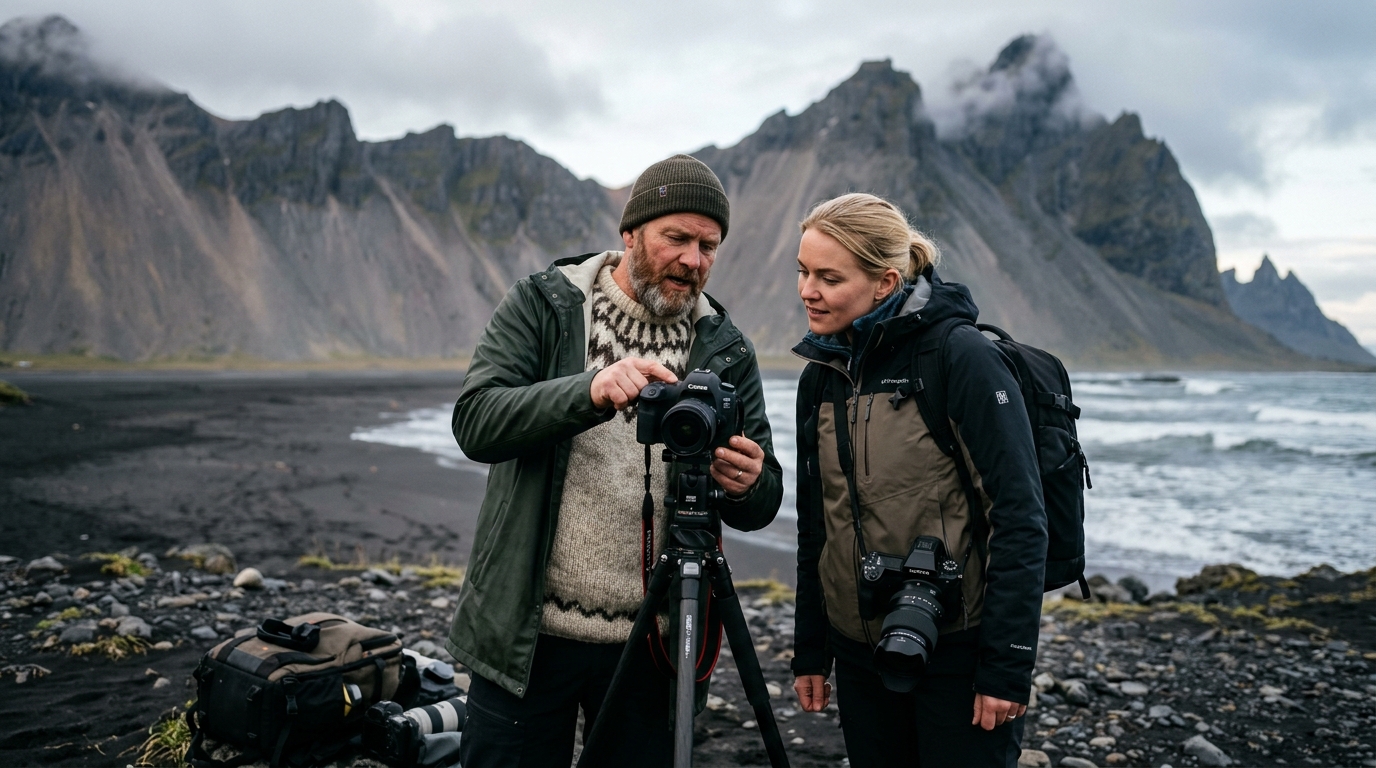
Iceland, a land sculpted by fire and ice, offers an unparalleled muse for photographers worldwide. Its dramatic landscapes – from cascading waterfalls and black sand beaches to shimmering glaciers and vibrant geothermal areas – offer an endless tapestry of visual wonders. Yet, truly capturing the soul of this island nation requires a deeper understanding, an intimate connection that only those who live and breathe its unique rhythm can provide.
At Iceland Photo Map, we believe that the most profound insights come from the source. That's why we set out to interview local Icelandic photographers – the true custodians of the island's visual narrative. These aren't just guides; they are artists who navigate Iceland's unpredictable weather, harness its ethereal light, and possess an unparalleled knowledge of its hidden corners. Their perspectives transform a mere photo trip into an immersive journey, unlocking authentic, insider knowledge that elevates your photography from good to extraordinary.
In this exclusive deep dive, we bring you their collective wisdom. Prepare to move beyond the postcard, discover unique compositions, master the elements, and learn how to respectfully capture Iceland's magic through the eyes of those who know it best. Whether you're a seasoned pro or an enthusiastic amateur, these insights will equip you with the practical tools and profound understanding needed to create truly memorable images of Iceland.
The Local Lens: Why Interview Local Icelandic Photographers?
When planning a photographic expedition to a place as complex and dynamic as Iceland, relying solely on popular guides or fleeting online advice can only take you so far. The unique advantages of learning from those who live and breathe Iceland's landscapes are immeasurable. Local photographers possess an inherent understanding of the island's subtle nuances that simply cannot be gleaned from a short visit.
One of the most critical aspects they master is Iceland's notorious micro-climates and seasonal shifts. A local can tell you that while one valley might be shrouded in dense fog, just over the next ridge, the sun could be breaking through. They understand specific wind patterns, the precise weeks when puffins return to their nesting cliffs, or subtle changes in glacier ice formations. For instance, knowing that the weather on the Snæfellsnes Peninsula can be drastically different from the South Coast on the same day is invaluable for planning. They can advise on the best time to visit specific Icelandic photography locations based on your desired conditions – whether it’s for vibrant autumn colors in the Highlands (typically late August to mid-September) or crystalline blue ice caves (generally November to March).
Beyond weather, local insights provide access to lesser-known spots and a deeper cultural context. While iconic sites like Skógafoss or Jökulsárlón are undeniably beautiful, local photographers can guide you to secluded waterfalls, hidden canyons, or unique rock formations that offer solitude and fresh compositions. They might share stories of the land, its folklore, and its geological history, enriching your understanding and allowing you to infuse your images with narrative depth.
The depth of knowledge offered by an interview local Icelandic photographers goes far beyond typical tourist guides. It encompasses practicalities like safe driving conditions on F-roads, understanding local regulations for drone usage, and even knowing where to find the best coffee or a warm meal in remote areas. Their experience teaches them how to anticipate the light, read the landscape, and adapt to rapidly changing conditions, turning potential challenges into unique photographic opportunities. This insider perspective ensures you're not just seeing Iceland, but truly experiencing it through a lens informed by years of dedicated exploration.
Beyond the Postcard: Unearthing Iceland's Hidden Gems
While Iceland's famous landmarks are undeniably stunning, the true magic often lies off the beaten path. Local photographers are treasure troves of information when it comes to unearthing spots that offer unique compositions and a sense of solitude away from the crowds. They know that the most memorable images aren't often found at the most Instagrammed locations.
For example, instead of solely focusing on the Golden Circle, many locals might suggest exploring the less-visited Snæfellsnes Peninsula for its diverse landscapes, including the iconic Kirkjufell mountain but also hidden sea stacks, black churches like Búðakirkja, and dramatic coastal cliffs. Another recommendation might be the remote Westfjords, where Dynjandi waterfall offers a majestic, multi-tiered spectacle often enjoyed with far fewer people than its southern counterparts. They might point you towards specific, less-traveled areas in the Eastfjords, like the Vestrahorn mountain near Höfn, which offers dramatic reflections and unique perspectives, especially during sunrise or sunset, without the constant throng of visitors found at some South Coast spots.
Finding unique compositions away from crowded spots requires a blend of research, local knowledge, and an adventurous spirit. Local photographers emphasize using tools like our comprehensive Iceland Photo Maps, combined with satellite imagery and topographic maps, to scout potential locations. They also stress the importance of arriving early or staying late at more popular spots to capture the best light and minimize human presence. For instance, a local might recommend visiting Skogafoss at 3 AM during the summer for the midnight sun, offering a completely different experience than midday.
When accessing these locations, respect and responsibility are paramount. Photographers should often stick to marked paths, especially in fragile ecosystems like moss fields or geothermal areas. If a path isn't marked, it's often for a good reason – to protect the delicate environment. Locals will often share stories of how popular spots have suffered from unrestricted access, reinforcing the need for careful exploration. Asking for permission if you venture onto private land is also crucial, demonstrating respect for local property and traditions. Remember, these landscapes are not just backdrops for photos; they are homes for wildlife and cherished natural heritage.
Emphasizing the importance of timing for solitude and optimal light is a recurring theme. Understanding Iceland's unique light conditions – from the endless golden hour of summer's midnight sun to the soft, diffuse light of winter – is key. Locals often plan their shoots around these phenomena, knowing that the same location can look entirely different depending on the time of day or year. This strategic approach allows for truly unique captures that go beyond generic tourist snapshots.
Mastering the Elements: Weather and Light Strategies from the Pros
Iceland's weather is a character in itself – notoriously unpredictable, often dramatic, and a major factor in photography. Local Icelandic photographers don't just endure the elements; they master them, transforming challenges into opportunities for breathtaking images.
Adapting to Unpredictable Weather
The first rule of Icelandic photography, based on locals, is to expect all four seasons in a single day. Wind, rain, and fog are common companions. Instead of waiting for perfect conditions, pros learn to work with them:
- Embrace the Drama of Wind: Use wind-swept hair, dramatic cloud movements, or the powerful spray of a waterfall to add dynamism. Use a sturdy tripod and appropriate shutter speeds.
- Rain as an Asset: Rain often brings vibrant colors and creates beautiful reflections. Overcast, rainy days offer soft, diffused light, ideal for waterfalls and intimate scenes. Protect your gear meticulously.
- Fog and Mist for Atmosphere: Fog can transform familiar landscapes into mystical scenes, simplifying compositions and adding depth. Focus on silhouettes and leading lines.
- Layering is Key: Locals universally recommend dressing in layers, including waterproof and windproof outer shells, to stay comfortable and focused.
Utilizing Iceland's Unique Light Conditions
Iceland's proximity to the Arctic Circle grants it extraordinary light. Understanding and exploiting these conditions is paramount:
- Golden Hour Extended: In summer, the sun skirts the horizon, stretching golden hour for hours. Plan shoots for late evening and early morning.
- Blue Hour's Serenity: Before sunrise and after sunset, the blue hour casts a cool, tranquil glow, perfect for serene landscapes or urban scenes.
- Midnight Sun Photography: From May to August, the sun rarely fully sets, offering unique opportunities for long exposures and constant soft light.
- Aurora Borealis (Northern Lights): The Holy Grail for many. Locals emphasize patience and preparation. Best seen from September to April, away from light pollution, on clear, dark nights. Use a wide-angle lens, sturdy tripod, manual focus to infinity, and settings like f/2.8 or wider, ISO 1600-6400, and shutter speeds typically between 5-20 seconds, though faster exposures (1-5 seconds) are often used for active aurora and longer ones (up to 30 seconds) for fainter displays depending on the aurora's activity. Photographers often check aurora forecasts (e.g., Vedur.is) and weather conditions.
Protecting Gear in Harsh Environments
Iceland's elements are tough on equipment. Protecting your gear is non-negotiable:
- Waterproof Bags and Covers: Invest in a good waterproof camera bag and rain covers. Ziploc bags for spare batteries are also highly recommended.
- Microfiber Cloths: Carry several to combat spray from waterfalls, rain, or sea mist.
- Lens Hoods: Offer crucial protection against rain and spray hitting the front element.
- Tripod Stability: A heavy-duty, stable tripod is a must in strong winds.
- Battery Management: Cold weather drains batteries faster. Keep spares warm in an inside pocket.
Gear & Techniques: What Icelandic Photographers Swear By
Experienced Icelandic photographers have refined their kits to withstand the island's unique demands. Their recommendations prioritize durability, versatility, and performance in challenging conditions.
Recommendations for Essential Camera Gear
- Camera Body: A weather-sealed, full-frame mirrorless or DSLR camera is highly recommended for low-light performance (aurora, winter).
- Lenses:
- Ultra-Wide Angle (14-24mm f/2.8 or wider): Indispensable for vast landscapes, waterfalls, and aurora.
- Mid-Range Zoom (24-70mm f/2.8 or f/4): A versatile workhorse for general landscape and travel.
- Telephoto Zoom (70-200mm f/2.8 or f/4, or even 100-400mm): Essential for compressing distant landscapes, isolating details, and capturing wildlife without disturbance.
- Tripod: A sturdy, carbon fiber tripod is non-negotiable for stability in wind and for long exposures.
- Filters:
- Circular Polarizer (CPL): Reduces glare, deepens blue skies, enhances saturation.
- Neutral Density (ND) Filters: Crucial for long exposures in daylight (3-stop to 10-stop recommended).
- Graduated Neutral Density (GND) Filters: Helps balance exposure between a bright sky and a darker foreground.
Specialized Accessories for Cold, Wet, or Windy Conditions
- Rain Cover/Weather Sleeve: Essential for protecting your camera and lens.
- Microfiber Cloths: Carry many to keep lenses and filters clean and dry.
- Hand Warmers: Great for keeping hands warm and warming up batteries.
- Headlamp: Indispensable for early morning, late night, and aurora shoots (with red light setting).
- Sturdy Backpack: A comfortable, weather-resistant camera backpack.
Preferred Camera Settings for Various Icelandic Landscapes and Phenomena
- Waterfalls & Rivers (Silky Smooth Water): Shutter Speed: 0.5 to 2 seconds; Aperture: f/8 to f/16; ISO: 100. Use CPL and ND filters.
- Aurora Borealis: Aperture: Widest possible (f/2.8, f/1.8); ISO: 1600-6400; Shutter Speed: 5-20 seconds, though faster exposures (1-5 seconds) are often used for active aurora and longer ones (up to 30 seconds) for fainter displays depending on the aurora's activity. Manual focus to infinity.
- Vast Landscapes (Sharp from foreground to background): Aperture: f/11 to f/16; ISO: 100-400. Focus about 1/3 into the scene.
- Wildlife (e.g., Puffins, Horses): Shutter Speed: 1/500 sec or faster; Aperture: As wide as possible (f/2.8-f/5.6); ISO: Auto ISO or adjust to maintain shutter speed. Continuous Autofocus.
Advanced Composition Tips for Vast, Expansive Scenes and Intimate Details
- Leading Lines: Use natural features to draw the viewer's eye.
- Rule of Thirds & Golden Ratio: Balance large scenes by placing horizons and key elements strategically.
- Foreground Interest: Add depth and scale with a strong foreground element.
- Framing: Use natural elements like rock arches or ice caves to frame your subject.
- Scale: Include a human figure or recognizable object to convey the immense scale.
- Intimate Landscapes: Don't often go wide; zoom in on textures of ice, patterns in volcanic rock, or delicate flora.
- Reflections: Utilize Iceland's numerous lakes, rivers, and puddles for stunning reflections.
Ethical Photography: Respecting Iceland's Fragile Beauty
Iceland's raw, untamed beauty is also incredibly fragile. Local photographers are staunch advocates for responsible tourism and environmental protection. Their insights underscore the profound responsibility visitors have to preserve the landscapes they come to photograph.
Local Perspectives on Responsible Tourism and Environmental Protection
Iceland has experienced a massive boom in tourism, putting immense pressure on its delicate ecosystems. Local photographers witness firsthand the impact of irresponsible behavior – trampled moss, damaged geothermal features, and litter. They emphasize that the privilege of photographing these wonders comes with the duty to protect them. The core message is simple: leave no trace, and leave it better than you found it. This means not only disposing of trash properly but also avoiding any action that could alter the natural environment.
Guidelines for Staying on Marked Paths and Avoiding Damage to Delicate Ecosystems
This is perhaps the most critical piece of advice from locals. Iceland's moss can take decades or even centuries to grow and is incredibly sensitive. One misplaced step can leave a permanent scar. Volcanic soil is loose and easily eroded, and geothermal areas contain delicate microbial mats and hot springs that can be dangerous and easily damaged. Therefore:
- Stick to Marked Paths: often stay on designated trails, boardwalks, and viewpoints. If there isn't a marked path, consider if you should be there at all.
- Respect Fences and Ropes: These are for your safety and to protect fragile areas. Do not cross them for a better shot.
- No Off-Road Driving: Driving off-road is illegal in Iceland and causes irreparable damage to the fragile environment. Stick to paved roads and F-roads where permitted.
Advice on Drone Regulations and Respecting Wildlife
Drones offer incredible aerial perspectives, but their use in Iceland is subject to strict regulations and ethical considerations:
- Know the Rules: Always check the latest drone regulations from the Icelandic Transport Authority (ICETRA). As of 2026, there are specific zones where drones are prohibited (e.g., national parks, nature reserves, Reykjavík city center), height restrictions, and rules about proximity to people and private property. Many popular tourist sites also have their own specific drone bans. Always look for signage.
- Respect Wildlife: Drones can disturb nesting birds, seals, and other animals. Maintain a respectful distance and avoid flying near wildlife. If animals show signs of distress, land your drone immediately.
- Privacy: Be mindful of people's privacy. Do not fly drones over private property or above individuals without their explicit consent.
When photographing wildlife, often maintain a safe and respectful distance. Use a telephoto lens to get close-up shots without disturbing the animals. rarely feed wildlife or attempt to interact with them. Remember, you are a visitor in their home.
The Importance of Leaving No Trace and Preserving the Landscape for Future Generations
The "Leave No Trace" principles are fundamental for responsible photography in Iceland. This extends beyond not littering to minimizing your impact in every way possible. This includes:
- Plan Ahead and Prepare: Understand the regulations and conditions of the areas you visit.
- Travel and Camp on Durable Surfaces: Stay on trails and established campsites.
- Dispose of Waste Properly: Pack out everything you pack in.
- Leave What You Find: Do not remove rocks, plants, or historical artifacts.
- Minimize Campfire Impacts: Open fires are often prohibited in Iceland due to fire risk and lack of firewood.
- Respect Wildlife: Observe from a distance.
- Be Considerate of Other Visitors: Share the trails and minimize noise.
By adhering to these principles, photographers can ensure that Iceland's unique and breathtaking landscapes remain pristine for future generations to enjoy and photograph. It's about being an ambassador for responsible travel and leaving a positive impact.
Planning Your Shot: Insights from Local Icelandic Photographers
Successful photography in Iceland isn't just about technique; it's about meticulous planning and a willingness to adapt. Local Icelandic photographers offer invaluable insights into how to prepare for a trip that maximizes photographic opportunities and minimizes unexpected challenges.
Best Times of Year to Visit for Specific Photographic Goals
Iceland's seasons offer dramatically different photographic experiences. Deciding when to visit depends heavily on your primary photographic goals:
- Winter (November - March): Goals: Northern Lights, ice caves, snow-covered landscapes, dramatic low light. Pros: Fewer crowds, ethereal light, potential for aurora. Cons: Shorter daylight hours, harsher weather, some roads closed.
- Spring (April - May): Goals: Returning migratory birds (e.g., puffins start arriving in May), melting snow, vibrant green emerging. Pros: Transition period, fewer tourists than summer, improving weather. Cons: Unpredictable weather, some areas still inaccessible.
- Summer (June - August): Goals: Midnight sun, lush green landscapes, wildflowers, puffins (peak June-July), Highlands accessibility. Pros: Longest daylight hours, warmest weather, all roads open. Cons: Peak tourist season, higher prices, no darkness for aurora, can be crowded.
- Pros: Balance of daylight and darkness, potential for both colors and aurora, often stunning light. Cons: Weather becomes more unpredictable, some facilities start closing.
Many local photographers favor shoulder seasons (spring and autumn) for a balance of conditions and fewer crowds, or winter for its unique dramatic beauty and aurora potential.
Logistical Planning Tips: Accommodation, Transportation, and Local Resources
Effective logistics are crucial for a smooth photography trip:
- Accommodation: Book well in advance, especially during peak season or if targeting specific remote areas.
- Transportation: A 4x4 vehicle is highly recommended, especially for the Highlands (F-roads require 4x4) or winter travel. Always check road conditions daily on Road.is, the official Icelandic Road and Coastal Administration website.
- Local Resources: Utilize local tourism offices and our Iceland Photo Map resources, including pre-planned itineraries.
- Weather Forecasts: Religiously check en.vedur.is, the Icelandic Met Office, several times a day for weather, wind, and aurora forecasts.
How to Prepare for Long Days in the Field and Unexpected Changes
Icelandic photography often involves long hours outdoors. Locals advise:
- Physical Preparedness: Be ready for hiking on uneven terrain, sometimes in challenging weather. Good waterproof hiking boots are essential.
- Food & Water: Carry plenty of snacks, water, and a thermos with a hot beverage. Facilities can be sparse.
- Safety First: Inform someone of your travel plans, especially if venturing off the main roads. Carry a fully charged phone and consider a satellite messenger for remote areas. often prioritize safety over a shot.
- Backup Plans: Have alternative locations or activities in mind if weather forces a change. As a local photographer once told us, "In Iceland, you don't plan your day, the weather plans it for you."
The Value of Flexibility and Embracing Spontaneity in Iceland
Perhaps the most profound advice from interview local Icelandic photographers is to cultivate flexibility. Iceland is a land of constant change. Being open to changing your itinerary, chasing a sudden break in the clouds, or embracing a completely different type of shot than originally planned will lead to the most rewarding experiences. Don't be rigid; let Iceland guide you. Sometimes, the most stunning images are born from adapting to the unexpected, capturing the raw, unpredictable essence of the island.
Conclusion: Elevate Your Iceland Photography with Local Wisdom
Our journey through the exclusive insights of local Icelandic photographers reveals a profound truth: to truly capture the magic of Iceland, one must look beyond the surface and connect with the island on a deeper level. Their wisdom, born from years of navigating unpredictable elements, discovering hidden gems, and respecting the delicate balance of nature, offers an unparalleled roadmap for photographers.
By incorporating these local perspectives, you gain not just technical tips but a philosophy of photography that embraces Iceland's raw power and ethereal beauty. You learn to adapt to its ever-changing moods, to seek out unique compositions away from the crowds, and to approach every shot with an ethical consciousness that preserves this fragile wonderland for generations to come. From mastering the dramatic light of the midnight sun and the elusive dance of the Northern Lights, to understanding the nuances of gear protection and responsible exploration, these insights are invaluable.
We encourage you to approach your next Iceland trip with a fresh, informed perspective. Let the knowledge shared by those who call this extraordinary island home guide your lens and inspire your creativity. The unique value of Iceland Photo Map resources lies in precisely this kind of curated, expert-driven information, designed to help you plan an unforgettable photographic adventure.
Ready to explore Iceland with a local's eye? Discover hidden gems and plan your photography adventure with our comprehensive Iceland Photo Maps.
Frequently Asked Questions
What are the most common mistakes tourists make when photographing Iceland, according to local experts?
Local experts often point to several common mistakes. First, tourists often chase only the most famous spots, leading to crowded photos and missing out on unique, lesser-known locations. Second, neglecting weather preparedness – not having waterproof gear for themselves or their cameras – leads to missed opportunities or damaged equipment. Third, underestimating the time required for travel between locations and for setup/shooting, resulting in rushed experiences. Lastly, a significant mistake is disrespecting nature by going off-path, driving off-road, or ignoring drone regulations, which damages the fragile environment and can lead to fines.
How do local Icelandic photographers adapt their shooting schedule to Iceland's extreme seasonal light changes?
Local photographers are masters of light adaptation. In summer, with the midnight sun, they often shoot during what would typically be late night/early morning hours (10 PM to 4 AM) when the light is soft, extended, and golden, avoiding the harsh midday sun. This also helps in avoiding crowds. In winter, with very short daylight hours (sometimes only 4-5 hours), they plan to be at their chosen location well before sunrise and stay until after sunset to maximize the extended golden and blue hours. They also prioritize clear nights for aurora photography, often scouting locations during the day to be ready when darkness falls.
Are there any lesser-known photography spots in Iceland that locals recommend avoiding crowds?
Yes, many! While specific "hidden" gems are often closely guarded, locals frequently suggest exploring entire regions that see fewer tourists. The Westfjords, for instance, offer dramatic fjords, waterfalls like Dynjandi, and remote villages with stunning coastal views. The Eastfjords also boast unique landscapes, including the Vestrahorn mountain area near Höfn (though gaining popularity, still less crowded than the South Coast) and secluded fishing villages. Parts of the Reykjanes Peninsula, beyond the Blue Lagoon, offer volcanic landscapes and lighthouses that are less frequented. The key is to venture beyond the Ring Road and the Golden Circle, using resources like Iceland Photo Map's how-to guides and local maps to find your own unique spots.
What ethical considerations do local photographers emphasize when shooting in Iceland's natural environment?
Ethical photography is paramount for Icelandic locals. Their primary emphasis is on the "Leave No Trace" principles. This includes often staying on marked paths and trails to protect fragile moss and vegetation, rarely driving off-road, and packing out all trash. They also stress respecting wildlife by maintaining a safe distance and not disturbing nesting birds or other animals. Adherence to drone regulations and respecting private property and the privacy of others are also critical. The overarching message is to be a responsible visitor and leave the landscape exactly as you found it, preserving it for future generations.
What essential gear do Icelandic photographers consider indispensable for year-round shooting?
For year-round shooting, local photographers consider a weather-sealed camera body and lenses crucial. A sturdy, carbon-fiber tripod is indispensable for long exposures and aurora shots, capable of withstanding strong winds. A versatile lens kit, including an ultra-wide angle (e.g., 14-24mm) for landscapes and aurora, and a telephoto zoom (e.g., 70-200mm) for wildlife and compressing distant scenes, is highly recommended. Essential accessories include a circular polarizer and a set of neutral density filters for managing light and creating long exposures. Finally, robust rain covers for cameras and plenty of microfiber cloths are non-negotiable to combat Iceland's ever-present moisture.