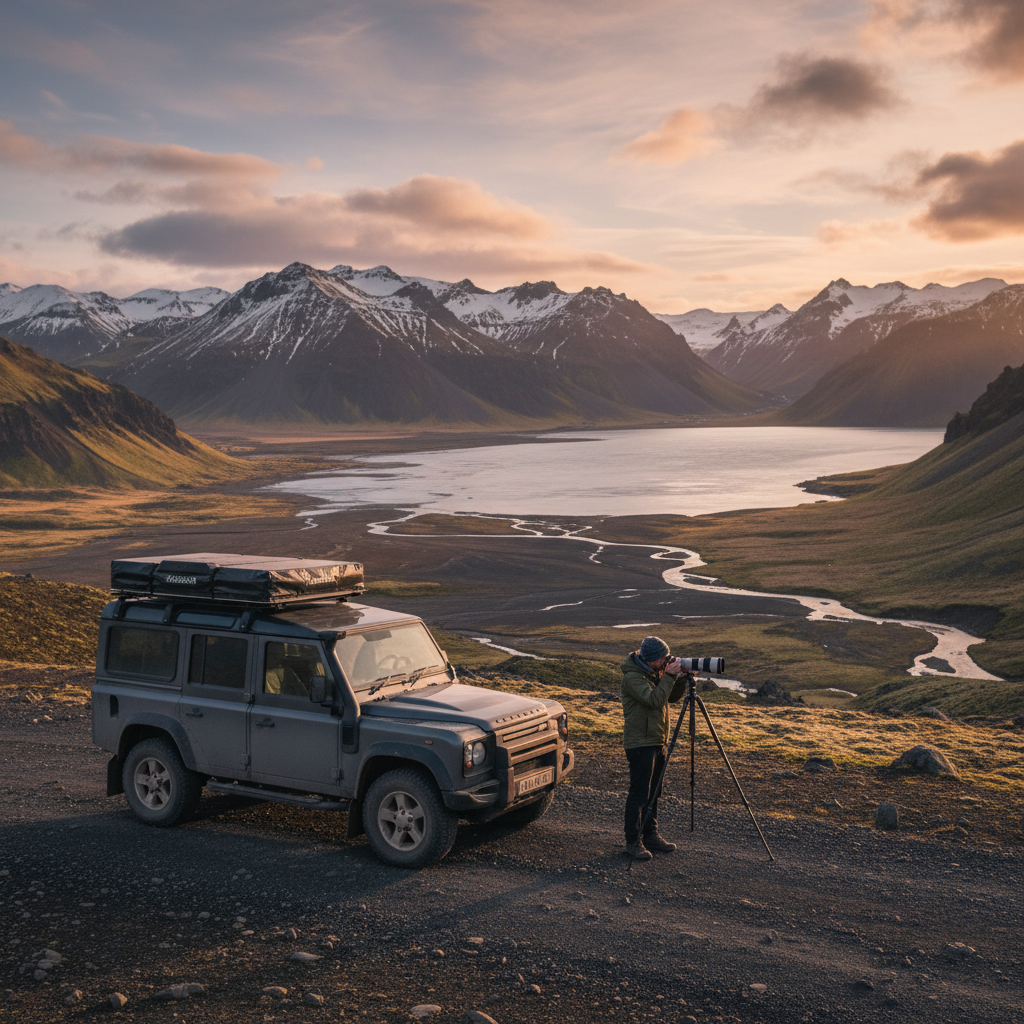
Iceland, a land sculpted by fire and ice, offers unparalleled photographic opportunities for photographers worldwide. From the ethereal glow of the Northern Lights dancing above glacial lagoons to the raw power of cascading waterfalls and the otherworldly landscapes of the Highlands, every turn presents a photo opportunity. But transforming these visions into stunning captures isn't just about your camera skills; it fundamentally hinges on your ability to reach these remote, often challenging locations safely and efficiently. This is precisely why securing the best car rental Iceland for photographers isn't merely a logistical detail—it's a critical component of your entire expedition.
For any serious photographer planning an Iceland photo trip in 2026, your vehicle is more than just transport; it's a mobile basecamp, a gear protector, and your key to unlocking those truly unique, less-traveled viewpoints. The right set of wheels ensures you can chase the perfect light, adapt to Iceland's notoriously fickle weather, and safeguard your valuable equipment against the elements and rough terrain. This comprehensive guide from Iceland Photo Map will walk you through every critical consideration, helping you make an informed decision to support your photographic ambitions.
Why Your Vehicle Choice is Paramount for Iceland Photography
The unique demands of landscape and travel photography in Iceland elevate the importance of your vehicle choice far beyond a typical tourist trip. Here’s why your car rental is a mission-critical component of your photography adventure:
- Accessing Remote or Off-the-Beaten-Path Photo Spots: Many of Iceland's most iconic and hidden photographic gems are not directly off the main Ring Road. They often require navigating gravel tracks, unpaved roads, or even venturing into the rugged Highlands. The type of vehicle you choose directly dictates which of these locations are within your reach, allowing you to capture unique perspectives away from the crowds.
- Protecting Expensive Camera Gear from Dust, Weather, and Theft: Your camera bodies, lenses, drones, and tripods represent a significant investment. Iceland's environment can be harsh—volcanic ash, fine gravel dust, relentless wind, and sudden rain showers are common. A robust vehicle offers a secure, climate-controlled sanctuary for your equipment, protecting it during transit and while you're out shooting. Darkened windows can also deter opportunistic theft.
- Flexibility and Spontaneity for Chasing Light and Weather: Iceland's weather changes in an instant, and the best light often appears unexpectedly. A reliable, capable vehicle provides the freedom to deviate from your plan, chase a dramatic sky, or quickly relocate to a more sheltered spot. This spontaneity is invaluable for photographers who understand that the perfect shot often requires quick adaptation.
- Safety Considerations on Diverse Icelandic Terrains: From smooth asphalt to loose gravel, rocky F-roads, and even shallow river crossings, Iceland's road network is incredibly diverse. A vehicle with appropriate ground clearance, traction (especially 4x4), and stability is crucial for navigating these conditions safely, minimizing the risk of accidents or damage to the car and its occupants.
- The Impact of Vehicle Type on Overall Trip Budget and Experience: While larger, more capable vehicles typically come with a higher rental price and fuel consumption, they can significantly enhance your experience by opening up more photographic opportunities and providing greater comfort. Conversely, choosing a vehicle that restricts your access to desired locations might save money upfront but could lead to missed shots and frustration, ultimately diminishing the value of your photo trip.
Decoding Iceland's Road Network: Where Can Your Lens Go?
Understanding Iceland's road classifications is fundamental to choosing the right vehicle and planning your itinerary. Your car's capabilities must match the roads you intend to travel.
- Overview of Main Roads (Ring Road), Gravel Roads, and F-roads:
- Ring Road (Route 1): This paved highway encircles the entire country, connecting most major towns and popular tourist attractions. It's generally well-maintained and suitable for all vehicle types.
- Gravel Roads: Many secondary roads, even those leading to well-known spots, are unpaved gravel. While some can be traversed by 2WD cars, they are rougher, prone to potholes, and often require slower speeds. Vehicles with higher ground clearance and better suspension offer a much more comfortable and safer experience.
- F-roads: These are mountain roads, typically found in the Highlands, designated with an 'F' prefix. They are unpaved, often narrow, steep, and can feature loose gravel, large rocks, and unbridged river crossings.
- Legal Requirements and Restrictions for F-roads (4x4 only): It is legally mandated that only 4x4 vehicles are permitted on F-roads (source: Road.is). Rental agreements explicitly state this, and driving a 2WD vehicle on an F-road will void your insurance and leave you liable for all damages, rescue costs, and potential fines. This is a critical point for photographers aiming for the dramatic landscapes of the interior, such as those found in our Iceland photography GPS maps.
- Understanding Road Conditions and Weather Impacts: Iceland's weather can drastically alter road conditions. Rain can turn gravel roads into muddy tracks, while strong winds can make driving challenging, especially for smaller vehicles. Snow and ice are common outside of summer, frequently leading to road closures. Drivers should be prepared for rapid changes.
- Mapping Out Potential Photo Locations and Their Accessibility: Before booking your car, identify your must-see photo locations. Use resources like our South Coast photo locations to plot your route and then cross-reference with road maps (e.g., Google Maps, Road.is) to determine the road types required. This pre-planning will directly inform your vehicle choice.
- Importance of Real-time Road Condition Updates (e.g., Road.is): Before setting out each day, always check Road.is for the latest updates on road closures, weather warnings, and specific conditions. This is especially vital when planning to venture onto gravel or F-roads.
Comparing the Best Car Rental Options in Iceland for Photographers
Choosing the best car rental Iceland for photographers means weighing capability against cost, space against agility, and access against comfort. Here's a breakdown of common rental types and their suitability:
Compact/Economy Cars:
- Pros:
- Cost-effective: Generally the cheapest rental option and most fuel-efficient.
- Easy to park: Smaller size makes navigating towns and tight parking spots simpler.
- Cons for Photographers:
- Limited space: Very little room for camera bags, tripods, drones, and luggage, especially if traveling with a companion.
- No F-road access: Strictly prohibited on F-roads, severely limiting access to many prime photography locations in the Highlands.
- Less stable: More susceptible to strong Icelandic winds and less comfortable on gravel roads.
- Low ground clearance: Prone to damage on unpaved or rougher roads.
- Best for: Budget-conscious photographers sticking strictly to the Ring Road and major paved attractions, traveling very light or solo.
Mid-Size SUVs (2WD/AWD):
- Pros:
- More space: Better cargo capacity for gear and luggage compared to compact cars.
- Improved comfort: Generally a smoother ride, especially on longer journeys.
- Better for gravel: Higher ground clearance and often better suspension handle gravel roads more comfortably than compacts. AWD models offer improved traction in slippery conditions.
- Cons for Photographers:
- Still no F-roads: Even with AWD, 2WD SUVs are not legally permitted on F-roads, limiting access to the Highlands.
- Higher cost: More expensive to rent and fuel than economy cars.
- Best for: Photographers seeking comfort and space for gear while primarily exploring the Ring Road and accessible gravel routes, avoiding the deep interior.
4x4 SUVs (e.g., Dacia Duster, Toyota RAV4, Land Cruiser):
- Pros:
- F-road access: The only legal option for venturing into the Icelandic Highlands and accessing truly remote, breathtaking photo spots.
- Superior ground clearance: Essential for navigating rough tracks, potholes, and shallow river crossings.
- Enhanced stability and traction: Provides greater safety and control on gravel, snow, and in strong winds.
- Ample space for gear: Larger models like the Land Cruiser offer significant cargo space for multiple camera bags, tripods, drones, and camping equipment, making them an excellent photography gear friendly car rental Iceland option.
- Cons for Photographers:
- Higher rental cost: Significantly more expensive than 2WD options.
- Increased fuel consumption: Larger engines and heavier vehicles mean more frequent stops at the pump.
- Not all 4x4s are equal: A Dacia Duster is a capable 4x4 but offers less ground clearance and power than a Land Cruiser, which might be critical for deeper river crossings or extremely rough F-roads.
- Best for: Serious landscape photographers, those planning to explore the Highlands, or anyone prioritizing maximum accessibility and safety for their Iceland photo trip. This is often the best car rental Iceland for photographers seeking the most comprehensive access.
Campervans/Motorhomes:
- Pros:
- Accommodation + Transport: Combines your vehicle with your sleeping arrangements, saving on hotel costs.
- Significant flexibility: Allows you to stay near photo locations overnight, perfect for sunrise/sunset shots without long drives back to accommodation.
- Cooking facilities: Save money by preparing your own meals.
- Gear storage: Often generous storage space, making them a photography gear friendly car rental Iceland choice.
- Cons for Photographers:
- Larger and slower: Can be challenging to drive on narrow roads, less agile for quick repositioning.
- Limited F-road access for some: While some robust 4x4 campervans exist, many standard campervans are 2WD and prohibited on F-roads. Even 4x4 campervans can be unwieldy on very rough tracks.
- Higher upfront cost: Rental can be expensive, though offset by accommodation savings.
- Parking challenges: Can be difficult to find suitable parking in some popular spots or towns.
- Wild camping restrictions: Wild camping is largely prohibited; you must stay in designated campsites (source: Environment Agency of Iceland). Source: Ust source. Source: Road source.
- Best for: Photographers prioritizing overnight stays at scenic locations and budget-friendly living, who are comfortable with slower travel and may not prioritize extensive F-road exploration. For the campervan vs car rental Iceland photographers debate, consider if the flexibility of a mobile home outweighs the agility of a 4x4 SUV.
Recommendation Matrix based on Trip Type:
- Ring Road Only (South Coast, Snaefellsnes, Golden Circle): Mid-Size SUV (for comfort & space) or Compact (for budget).
- Highlands & F-Roads: Absolutely a 4x4 SUV. A larger, more robust 4x4 like a Land Cruiser is ideal for deeper Highlands exploration.
- Budget-Conscious but Flexible: Compact for Ring Road, Mid-Size SUV for more comfort.
- Maximum Flexibility & Overnight Stays: Campervan (ensure it matches road access needs).
Essential Features for a Photography-Friendly Rental Car
Beyond the basic vehicle type, certain features can significantly enhance your experience and protect your investment during an Iceland photo trip:
- Cargo Space: This is paramount. You need room not just for your personal luggage but for multiple camera bags (main bag, drone bag), tripods (often multiple sizes), lighting equipment, filters, and potentially camping gear if you're mixing accommodation types. Consider if the rear seats fold flat for maximum space.
- Charging Ports: USB ports, 12V outlets (cigarette lighter sockets), and ideally a built-in inverter (or bring your own) are crucial for keeping camera batteries, laptop, drone batteries, and phones charged, especially during long days or multi-day expeditions away from power sources.
- Reliability & Maintenance: A breakdown in a remote part of Iceland can be disastrous for your schedule and safety. Choose a reputable rental company known for well-maintained fleets. Ask about the age of the vehicles and their service history if possible.
- Ground Clearance: Even if you're not tackling F-roads, many gravel roads and turn-offs to photo spots can be rutted or rocky. Higher ground clearance (common in SUVs and 4x4s) minimizes the risk of undercarriage damage, which is often not covered by basic insurance.
- Heated Seats/Steering Wheel: While seemingly a luxury, these features can significantly enhance comfort and focus during long waits for the perfect light, especially during colder months or at night when shooting aurora. Comfort helps maintain focus and patience.
- Roof Rack/Storage Solutions: For photographers traveling with oversized gear (e.g., large telephoto lenses in hard cases, multiple tripods, or even kayaks/paddleboards for specific shots), a roof rack can be invaluable. Confirm with the rental company if this is an option and if there are any associated fees or restrictions.
- Darkened Windows: Beyond privacy, tinted windows offer an extra layer of security for your visible camera gear when the car is parked. They also help keep the interior cooler on sunny days, which can be beneficial for sensitive electronics.
Navigating Rental Agreements and Insurance for Your Iceland Photo Trip
Understanding your rental agreement and insurance options is critical to avoid costly surprises. Icelandic conditions demand specific types of coverage for your car hire Iceland photo trip.
- Understanding Standard vs. Premium Insurance (CDW, GP, SAAP, TP):
- CDW (Collision Damage Waiver): This is standard but usually comes with a high deductible (self-risk). It covers damage to the rental car.
- SCDW (Super Collision Damage Waiver): Reduces the deductible significantly. Often a wise upgrade.
- GP (Gravel Protection): Absolutely essential for photographers, as many roads to scenic spots are gravel. This covers damage from gravel hitting the car's paint, headlights, and windshield. Without it, even minor chips can be costly.
- SAAP (Sand and Ash Protection): Unique to Iceland, this covers damage caused by volcanic sand or ash storms, which can strip paint and damage mechanical parts. If traveling in areas prone to these storms (e.g., South Coast), it's highly recommended.
- TP (Theft Protection): Covers the car in case of theft. While Iceland has low crime rates, it's generally included in most packages.
- WDW (Windshield Damage Waiver): Specifically covers damage to the windshield, often separate from GP.
- Specific Icelandic Insurance Considerations: ash & sand protection (SAAP), gravel protection (GP): Do not skip these. The cost of repairing damage from gravel or ash can quickly exceed the cost of the insurance premium. Many personal credit card coverages do not include these specific Icelandic environmental damages.
- Reading the Fine Print: F-road restrictions, river crossings, unauthorized drivers: F-road Restrictions: As mentioned, 2WD vehicles are forbidden. Even with a 4x4, some companies prohibit river crossings or specify maximum water depths. It is crucial to clarify these restrictions with your rental company. River Crossings: Damage from river crossings is typically not covered by most insurance policies, even with a 4x4. Exercise extreme caution, assess the depth and current, and if in doubt, do not cross. Unauthorized Drivers: Ensure all potential drivers are listed on the rental agreement. Unlisted drivers will void your insurance. Source: Safetravel source.
- Checking for Hidden Fees and Fuel Policies: Be aware of fees for additional drivers, GPS (consider using phone maps), child seats, and after-hours pickup/drop-off. Understand the fuel policy (e.g., full-to-full is usually best).
- Importance of Documenting Vehicle Condition Before and After: Before driving off, take detailed photos and videos of the car's exterior and interior from all angles, noting any existing scratches, dents, or damage. Do the same upon return. This documentation is your best defense against unfair damage claims.
Choosing a Reputable Car Rental Company in Iceland for Photographers
The company you choose for your car hire Iceland photo trip can significantly impact your experience. Look beyond just the price tag.
- Factors to consider: reputation, customer service, fleet variety (especially 4x4s), pickup/drop-off locations (Keflavik, Reykjavik):
- Reputation & Reviews: Check recent reviews on Google, TripAdvisor, and photography forums. Look for consistent feedback on transparency, vehicle condition, and claims handling.
- Customer Service: A responsive and helpful customer service team is invaluable, especially if you encounter issues on the road.
- Fleet Variety: Companies specializing in 4x4 rentals often have better-maintained and more suitable vehicles for photographers heading into the Highlands. Ensure they offer a good range of 4x4 rental Iceland photography options.
- Pickup/Drop-off: Most international flights arrive at Keflavik (KEF). Ensure the company has a convenient pickup/drop-off service there. Many also have offices in Reykjavik.
- Reviewing terms and conditions carefully: This reiterates the importance of understanding what's covered, what's not, and any restrictions. Pay close attention to mileage limits (some companies have them), F-road policies, and river crossing clauses.
- Booking in advance, especially for peak season: Iceland's popularity means rental cars, especially desirable 4x4s and campervans, book up quickly. For a 2026 trip, aim to book 6-12 months in advance, particularly if you're traveling during the summer (June-August) or Northern Lights season (September-March). Early booking often secures better rates and ensures availability of the best car rental Iceland for photographers.
- Local vs. International Rental Agencies: International brands (e.g., Hertz, Avis, Europcar): Often have larger fleets, streamlined booking processes, and offices at major airports. Local Icelandic companies (e.g., Blue Car Rental, Lava Car Rental): Can sometimes offer more competitive rates, specialized 4x4 fleets, and a more personal service. However, it is important to verify their insurance offerings and terms carefully.
- What to look for in a provider offering photography gear friendly car rental Iceland:
- A fleet that includes models with good cargo space and reliable charging options.
- Clear policies on roof racks or ability to add one.
- Excellent maintenance records for their 4x4s, crucial for remote travel.
- Transparent insurance policies that cover the specific risks of Iceland.
Conclusion: Drive Your Vision: Making the Right Choice for Unforgettable Iceland Photos
Your Iceland photography adventure is an investment—in time, effort, and equipment. The vehicle you choose is not just a means to an end; it's an integral part of your creative toolkit, enabling you to access, capture, and safely transport your gear through one of the world's most photogenic and challenging landscapes. By carefully matching your vehicle to your itinerary, understanding the specific insurance needs, and selecting a reputable provider, you lay the groundwork for a truly unforgettable and productive photo trip.
Prioritize safety, plan thoroughly, and don't compromise on the vehicle's capability if your photographic vision demands venturing beyond the paved path. The right car rental is your passport to unlocking Iceland's most spectacular and often hidden photographic treasures.
Ready to plan your ultimate Iceland photo adventure? Explore our curated photography maps to discover hidden gems and perfectly timed shots, complementing your ideal rental car choice!
Frequently Asked Questions
Do I really need a 4x4 for photography in Iceland?
You absolutely need a 4x4 if you plan to drive on any F-roads, which lead to many of Iceland's most dramatic and remote photographic locations in the Highlands (e.g., Landmannalaugar, Thórsmörk). Even if you stick to the Ring Road, a 4x4 or a vehicle with higher ground clearance offers greater comfort, stability, and safety on the numerous gravel roads and rougher turn-offs often encountered when seeking out photo spots. For serious landscape photographers, a 4x4 is highly recommended for maximum flexibility and access.
What kind of insurance is essential for a rental car in Iceland?
Beyond the standard Collision Damage Waiver (CDW) or Super CDW (SCDW) with reduced deductible, Gravel Protection (GP) and Sand and Ash Protection (SAAP) are highly recommended, if not essential, for photographers in Iceland. GP covers damage from gravel to the car's paint, headlights, and windshield, which is common on Iceland's many unpaved roads. SAAP protects against damage from volcanic sand and ash storms. Damage from river crossings is typically not covered by most insurance policies, even by comprehensive insurance, so exercise extreme caution.
Can I sleep in my rental car or campervan anywhere in Iceland?
No, wild camping or sleeping in your vehicle outside of designated campsites is largely prohibited in Iceland. You must stay in official campsites, which are plentiful and well-maintained. This applies to both rental cars and campervans. Planning your overnight stops at campsites is crucial for legal compliance and to avoid fines.
When is the best time to book a car rental for an Iceland photography trip?
For a 2026 photography trip, it's highly recommended to book your car rental 6 to 12 months in advance, especially if you're traveling during the peak summer season (June-August) or the prime Northern Lights viewing months (September-March). Desirable vehicles, particularly 4x4s and campervans, are in high demand and can sell out quickly. Early booking also often secures better rates.
Are there any specific driving rules in Iceland photographers should know?
Yes, several rules are particularly relevant for photographers: Stay on marked roads: Off-road driving is strictly illegal and severely punishable, damaging fragile ecosystems. F-roads require 4x4s: As mentioned, only 4x4 vehicles are permitted on F-roads. River crossings: Exercise extreme caution. Assess depth and current. Damage from river crossings is typically not covered by insurance. Headlights on at all times: It is legally required to drive with headlights on, day or night. Speed limits: Generally 90 km/h on paved rural roads, 80 km/h on gravel rural roads, and 50 km/h in urban areas. often adhere to posted signs. Watch for sheep: Sheep roam freely and often wander onto roads, especially in rural areas. Pull over safely: If you spot a photo opportunity, often pull completely off the road into a designated pull-off area; rarely stop in the middle of the road or on the shoulder of busy highways.