When do puffins arrive in Iceland?
Late April for the first birds; June and July are the peak, when adults are feeding chicks and approachable; most depart by late August. Outside that window, the cliffs are essentially empty.
Iceland is one of the best bird-photography destinations in the world for Atlantic Puffins, with up to 10 million birds — roughly 60% of the world's Atlantic puffins — arriving each summer. The reliable window is roughly late April to late August, peaking in June–July. Top colonies include Látrabjarg in the Westfjords, Borgarfjörður Eystri in the east, Dyrhólaey on the south coast, and the island of Grímsey on the Arctic Circle.
Photograph Atlantic puffins, Arctic terns, and other seabirds at Iceland's best nesting colonies. Seasonal access notes included.
Late April for the first birds; June and July are the peak, when adults are feeding chicks and approachable; most depart by late August. Outside that window, the cliffs are essentially empty.
A 300–500mm telephoto is ideal. At Borgarfjörður Eystri the birds approach close enough for a 100–400mm zoom to give the most flexibility for portraits and flight shots.
Yes. Látrabjarg, Dyrhólaey, and Borgarfjörður Eystri are accessible by rental car (Látrabjarg via gravel road, summer only). Stay back from cliff edges — the rock crumbles at Látrabjarg and falls are fatal.
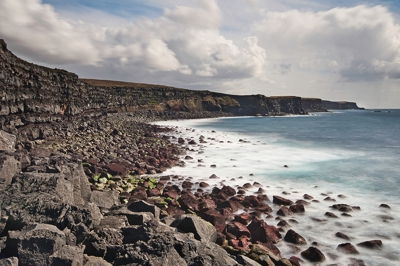
The great stretch of cliffs at Krýsuvíkurbjarg are amongst the best bird-watching sites in Iceland.
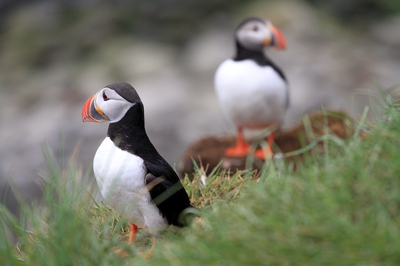
The largest island in Breiðafjörður, with a restored village of traditionally painted houses. The eastern part of the island is a nature reserve: all traffic is prohibited from 15 April to 15 July, and drones need a permit.
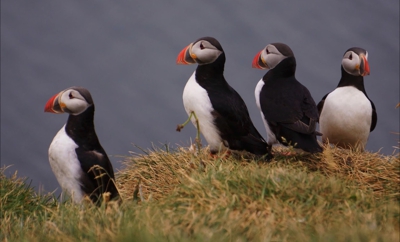
A 49-hectare island in the mouth of Steingrímsfjörður, less than 2 km off Drangsnes in the Westfjords, holding one of the larger puffin colonies in Iceland. Reached by a short boat trip from the village.
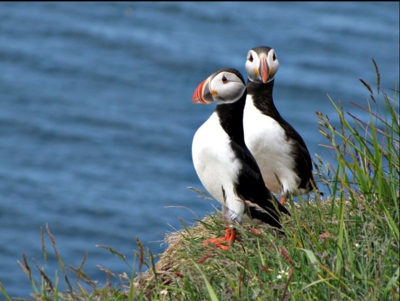
Patreksfjörður is an Icelandic village in Westfjords with 687 inhabitants.
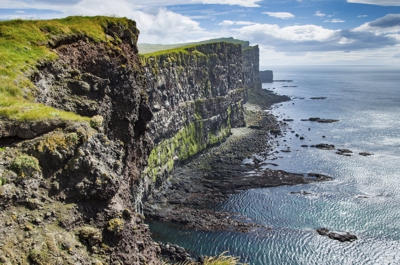
Látrabjarg is a promontory and the western most point in Iceland. The cliffs are home to millions of birds, including puffins, northern gannets, guillemots and razorbills.
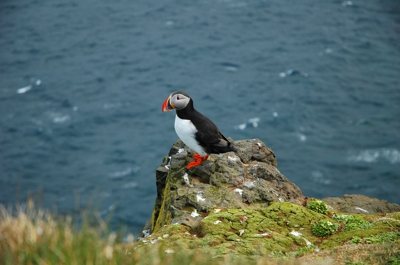
An Island north of Iceland. Take the ferry from Dalvik. Grimsey Island is far away in the north: Home of one hundred people and one million seabirds.
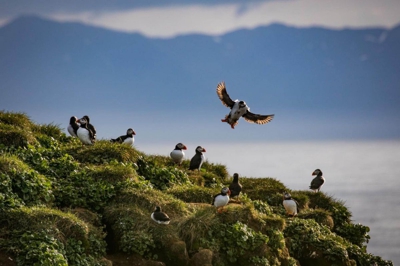
A bird viewpoint in Tjörneshreppur Iceland. "Voladalstorfa" is about 12 kilometers (8 miles) from Husavik.
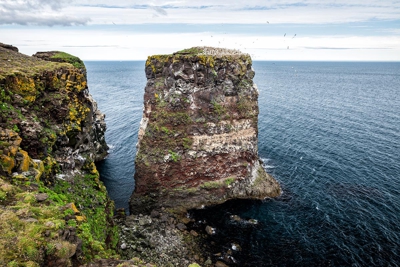
A cape in the northern part of Iceland north of Kópasker. Good for bird watching.
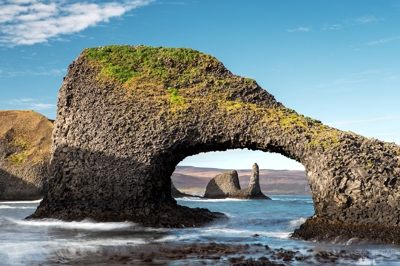
Rauðanes means Point Red and it is one of the pearls in Icelandic nature.