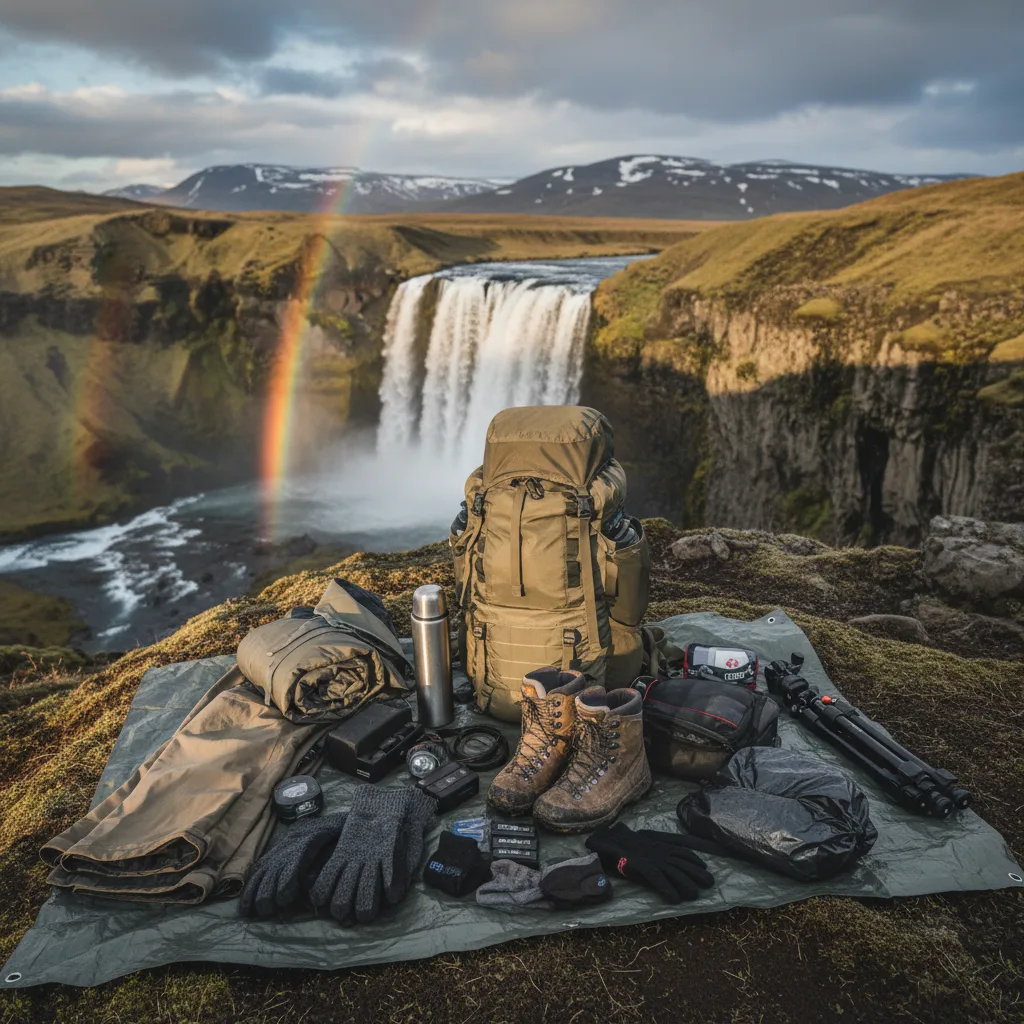
For search-quality context, Google guidance on creating helpful content emphasizes people-first content that directly helps readers complete their task. Source: Vertexaisearch Cloud Google source.
Introduction: Beyond the Lens – Why Your Iceland Packing List Matters for Photographers
Iceland is a land of unparalleled photographic opportunities, where dramatic landscapes, ephemeral light, and raw natural power converge to create truly unforgettable images. From the ethereal glow of the Northern Lights to the thunderous roar of waterfalls and the serene beauty of black sand beaches, every corner offers a masterpiece waiting to be captured. However, the very elements that make Iceland a photographer's dream can also pose significant challenges if you're not adequately prepared. The island's notoriously unpredictable and rapidly changing weather patterns demand respect and thorough planning. A sunny morning can quickly give way to horizontal rain, gale-force winds, or even a sudden snow squall, regardless of the season. For photographers, this means more than just personal discomfort; it directly impacts your ability to protect your valuable gear, maintain creative focus, and ultimately, get the shots you came for. This comprehensive guide is designed to go beyond your camera bag, providing an ultimate **Iceland packing list for photographers** that ensures both your personal comfort and the safety of your equipment. We'll delve into the essential clothing, non-gear items, and strategic considerations necessary to thrive in Iceland's unique environment, allowing you to concentrate on the artistry of your craft rather than battling the elements.Understanding Iceland's Climate: What Photographers Need to Know for Their Packing List
Before you even begin assembling your **Iceland packing list for photographers**, it's crucial to grasp the nuances of the island's climate. Iceland isn't just cold; it's a place where you can experience all four seasons in a single day. This extreme weather variability is not a cliché but a daily reality. One moment you might be basking in glorious sunshine, and the next, battling strong winds and horizontal rain, often accompanied by sudden temperature drops. Even in summer, average temperatures rarely exceed 15°C (59°F), and strong winds can make it feel significantly colder. Seasonal differences are stark and impact every aspect of your trip.- Summer (June-August): Characterized by the "midnight sun," offering nearly 24 hours of daylight, milder temperatures, and generally less severe weather. However, wind and rain are still common, and coastal areas can be surprisingly chilly.
- Winter (November-March): Brings short, dark days, with the shortest period around the winter solstice in December offering as little as 4-5 hours of daylight, which then gradually increases towards March, along with extreme cold, heavy snow, and powerful storms. This is prime Northern Lights season, but it demands the highest level of preparedness.
- Shoulder Seasons (April-May, September-October): These months offer a transition, with highly unpredictable weather. You might encounter anything from spring blossoms to heavy snow, sometimes within hours.
- Rapidly drain camera batteries.
- Cause condensation issues when moving between warm interiors and cold exteriors.
- Make camera controls difficult to operate with cold, numb fingers.
- Obscure lenses with rain, mist, or sea spray, demanding constant cleaning.
- Lead to hypothermia or frostbite if you're not properly insulated.
The Layering System: Essential Cold Weather Clothing for Iceland Photography
The single most important principle for staying warm and dry in Iceland is the layering system. This approach allows you to adapt quickly to the island's famously mercurial weather, adding or removing layers as conditions change. Forget fashion; functionality and protection are paramount.1. Base Layers: The Foundation of Warmth
Your base layer is the first line of defense against the cold and, crucially, against moisture. Its primary job is to wick sweat away from your skin, keeping you dry. When you're hiking to a viewpoint or setting up a shot, you will generate body heat and sweat, even in cold temperatures. If that moisture stays on your skin, it will cool rapidly, leading to discomfort and potentially hypothermia.- Materials: Opt for moisture-wicking materials like merino wool or high-quality synthetics (polyester, polypropylene). Merino wool is excellent for its warmth-to-weight ratio, natural odor resistance, and ability to insulate even when damp. Synthetics are often more durable, faster drying, and more budget-friendly.
- Weight: Choose a mid-weight base layer for most conditions. For winter trips, a heavy-weight base layer might be advisable.
- Recommendation: Pack at least two sets of base layers (top and bottom) so you often have a dry set available.
2. Mid-Layers: Insulation and Warmth
Mid-layers provide the bulk of your insulation, trapping warm air close to your body. These are the layers you'll adjust most frequently based on your activity level and the external temperature.- Materials: Fleece is a popular and effective choice for its warmth, breathability, and quick-drying properties. Lightweight down or synthetic insulated jackets are also excellent, offering superior warmth for their weight, especially for colder conditions or when stationary for long periods (e.g., aurora photography).
- Versatility: A full-zip fleece allows for easy ventilation. Consider packing both a thinner fleece and a warmer insulated jacket to provide flexible options.
- Recommendation: A high-quality fleece jacket (200-300 weight) and a packable, lightweight down or synthetic puffy jacket are ideal.
3. Outer Shell: Your Fortress Against the Elements
This is your ultimate protection against Iceland's wind, rain, and snow. A robust outer shell is non-negotiable.- Jacket: Invest in a waterproof, windproof, and breathable hardshell jacket. Look for features like sealed seams, adjustable hood (large enough to fit over a hat), and waterproof zippers. Gore-Tex or similar proprietary waterproof-breathable membranes are highly recommended.
- Pants: Waterproof and windproof pants are just as important as the jacket. They should be durable enough to withstand kneeling on wet ground or rocks. Full-zip side zippers are a bonus, allowing you to put them on or take them off over boots.
- Fit: Ensure your outer layers are loose enough to accommodate your base and mid-layers comfortably without restricting movement, especially when you're crouching or reaching for your camera.
- Light activity/mild day (e.g., short walk to a viewpoint, summer): Base layer, thin fleece, waterproof shell.
- Moderate activity/cooler day (e.g., light hike, shoulder season): Base layer, mid-weight fleece, waterproof shell.
- Low activity/cold day (e.g., aurora hunting, winter): Heavy-weight base layer, thick fleece, insulated puffy jacket (worn under or over shell), robust waterproof shell.
Footwear & Hand Protection: Navigating Iceland's Diverse Terrain
Your extremities are often the first to feel the cold, and keeping your feet and hands warm and dry is paramount for comfort, safety, and your ability to operate camera gear effectively.1. Waterproof Hiking Boots: Your Foundation
Iceland's terrain is incredibly varied and often challenging. You'll encounter everything from slippery moss-covered rocks, muddy trails, icy patches, and shallow streams to volcanic gravel and black sand.- Absolute Essential: High-quality, waterproof hiking boots are an absolute must. Look for boots with good ankle support to prevent twists and sprains, especially when navigating uneven ground.
- Grip: A rugged outsole with deep lugs will provide crucial grip on slippery surfaces. Vibram soles are a popular choice for their durability and traction.
- Material: Leather or synthetic boots with a waterproof membrane (like Gore-Tex) are ideal. Ensure they are well broken-in before your trip to prevent blisters.
- Recommendation: Consider boots that are insulated for winter travel, or plan to wear thicker socks.
2. Thermal Socks: The Unsung Heroes
Even with excellent boots, poor socks can lead to cold, damp feet.- Material: Pack multiple pairs of wool (especially merino) or synthetic thermal socks. These materials wick away moisture and provide insulation even when slightly damp.
- Avoid Cotton: Again, avoid cotton socks at all costs.
- Layering Socks: Some photographers prefer a thin liner sock (synthetic) to wick moisture, followed by a thicker thermal sock for warmth. This also helps prevent blisters.
- Quantity: Bring enough pairs for at least one clean pair per day, plus spares. Drying socks in Iceland can be a challenge.
3. Waterproof Gloves: Dexterity and Warmth
Operating camera controls with numb fingers is frustrating and can lead to missed shots. A multi-glove system is often the best approach.- Liner Gloves: Thin, touchscreen-compatible liner gloves (wool or synthetic) allow for dexterity when adjusting camera settings without exposing your bare skin.
- Insulated Outer Gloves/Mittens: A pair of thick, insulated, and waterproof outer gloves or mittens provides serious warmth. Mittens are generally warmer than gloves as they keep your fingers together. Some photographers opt for "convertible" mittens that allow the top to flip back, exposing fingerless gloves underneath.
- Recommendation: Look for outer gloves with grip on the palms for holding your camera securely.
4. Hand Warmers: A Lifesaver
Chemical hand warmers are small, inexpensive, and incredibly effective for keeping hands functional in freezing temperatures.- Use: Tuck them into your gloves or pockets. They can make a significant difference, especially during long exposure photography or aurora hunting when you're stationary for extended periods.
- Quantity: Pack a generous supply.
Non-Gear Photography Essentials for Your Iceland Packing List
Beyond your camera and lenses, several crucial items are specifically tailored to the Icelandic environment to protect your gear and enhance your shooting experience. These are truly **essential non-gear items Iceland** requires.1. Extra Batteries and Power Bank
Cold weather is notorious for rapidly draining battery life. This is a universal truth for photographers in Iceland.- Keep them warm (e.g., in an inside jacket pocket) until you need them.
- Power Bank: A high-capacity portable power bank is invaluable for recharging phone batteries, drone batteries, or even small camera batteries on the go.
- Car Charger: If you're renting a car, a USB car charger is a convenient way to top up devices between locations.
2. Lens Cleaning Kit
Iceland's elements — sea spray, rain, mist, dust (especially from volcanic ash or gravel roads), and even snow — will constantly challenge the cleanliness of your lenses.- Essentials: Pack multiple microfiber cloths, a lens pen, a blower brush, and a small bottle of lens cleaning solution.
- Frequency: Be prepared to clean your lenses frequently, sometimes after every shot, especially near waterfalls or the coast.
3. Waterproof Camera Cover/Rain Sleeve
While modern cameras are often weather-sealed, prolonged exposure to heavy rain or sea spray can still be detrimental.- Protection: A dedicated waterproof camera cover or a simple rain sleeve is an inexpensive but essential item for protecting your camera and lenses from the worst of the elements.
- Alternatives: Even a large plastic bag with a hole cut for the lens can offer basic protection in a pinch.
4. Headlamp/Torch
With limited daylight in winter and often early morning or late-night shoots (especially for aurora photography), a reliable light source is critical.- Features: Look for a headlamp with a red light setting (to preserve night vision) and adjustable brightness.
- Use: Essential for navigating in low light, changing lenses, adjusting tripod settings, and finding your way back to your car or accommodation.
5. Sturdy Tripod
Iceland's strong winds and the need for long exposures (waterfalls, low light, aurora) make a sturdy tripod absolutely vital.- Stability: A lightweight travel tripod might suffice in calm conditions, but for Iceland, a heavier, more stable tripod made of carbon fiber or aluminum is highly recommended.
- Features: Look for robust leg locks, a hook at the bottom of the center column to hang your bag for added stability, and a ball head that can be securely tightened.
6. Remote Shutter Release
Whether wired or wireless, a remote shutter release is an indispensable tool for minimizing camera shake, especially during long exposures in windy conditions or for crisp aurora photography. It allows you to trigger the shutter without touching the camera body. This comprehensive set of **essential non-gear items Iceland** demands ensures your camera equipment remains protected and operational, making your **Iceland packing list for photographers** truly complete.Personal Comfort & Safety Items for Icelandic Adventures
Your well-being is just as important as your gear. These personal items contribute significantly to your comfort, safety, and overall enjoyment of your Icelandic photography adventure. These are key **travel essentials Iceland photographers** should never overlook.1. Comprehensive First-Aid Kit
Even minor scrapes or blisters can become major annoyances in cold, wet conditions.- Contents: Include blister treatment (Compeed is excellent), pain relievers, antiseptic wipes, bandages, any personal medications, and a small emergency blanket.
- Accessibility: Keep it easily accessible in your daypack.
2. Insulated Water Bottle or Thermos
Staying hydrated is important regardless of the temperature.- Versatility: An insulated bottle will keep your water from freezing in winter and keep it refreshingly cool in summer. A thermos is excellent for hot tea, coffee, or soup, offering a welcome warmth during long, cold shoots.
3. High-Energy Snacks
Long days of exploration, hiking, and photography demand sustained energy.- Options: Pack granola bars, nuts, dried fruit, chocolate, or energy gels. These are easy to carry and provide quick fuel.
4. Sunglasses and Sunscreen
Essential even in winter!- Protection: The sun's rays can be surprisingly strong, especially when reflecting off snow and ice. UV protection for your eyes and skin is crucial.
- All Seasons: Don't underestimate the need for these, even on cloudy days.
5. Travel Adapter and Power Converter
Ensure you can charge all your electronics. Iceland uses Type F (Schuko) and Type C plugs, with a standard voltage of 230V and frequency of 50Hz. A universal adapter is your safest bet.6. Small, Waterproof Daypack
For carrying your daily essentials – snacks, water, extra layers, and small camera accessories – a comfortable and waterproof daypack is invaluable. Look for one with a rain cover or built-in waterproof features.7. Navigation Tools
While Iceland Photo Map provides incredible resources for finding locations, having reliable navigation tools is always smart.- Offline Maps: Download offline maps (e.g., Google Maps, Maps.me, or dedicated hiking apps) on your phone.
- Physical Map: A physical map serves as a crucial backup, especially in areas with no phone signal.
- GPS Device: For serious backcountry exploration, a dedicated GPS device is recommended.
8. Additional Travel Essentials Iceland Photographers Should Consider
- Quick-Dry Towel: Small, lightweight, and incredibly useful for wiping down gear, hands, or even yourself.
- Lip Balm with SPF: Protects against chapping from wind and sun.
- Hand Sanitizer: For hygiene on the go.
- Reusable Shopping Bag: For groceries or souvenirs.
- Eye Mask and Earplugs: Especially useful in summer for coping with the midnight sun, or in shared accommodations.
Seasonal Adjustments: Tailoring Your Iceland Packing List for Summer vs. Winter
While the core layering system remains consistent, the specific weights and quantities of items on your **Iceland packing list for photographers** will vary significantly depending on the season you visit.Summer (June-August): The Midnight Sun Season
- Daylight: Enjoy nearly 24 hours of daylight, offering endless opportunities for golden hour and blue hour photography.
- Temperatures: Milder, typically ranging from 10-15°C (50-59°F), but can drop lower, especially in the highlands or coastal areas.
- Clothing: You'll still need your full layering system, but perhaps lighter base and mid-layers. A good waterproof outer shell is still paramount.
- Specific Considerations:
- Insect Repellent: For certain areas, especially around Mývatn, midges can be a nuisance. Pack a good repellent and possibly a head net.
- Eye Mask: Crucial for sleeping with the midnight sun.
- Lighter Footwear: While waterproof hiking boots are still recommended, some might opt for lighter waterproof hiking shoes for less strenuous trails.
Winter (November-March): Aurora and Ice Caves
- Daylight: Very limited daylight (4-5 hours), making a headlamp and extra batteries even more critical.
- Temperatures: Range from -5°C to 5°C (23-41°F) but can plummet much lower with wind chill. Snow and ice are common.
- Clothing: Maximize insulation. Heavy-weight base layers, thick fleeces, and a substantial insulated jacket (down or synthetic) are essential. Double up on socks and gloves.
- Specific Considerations:
- Ice Cleats/Microspikes: Absolutely vital for walking on icy paths, frozen waterfalls, or glacier tours. They provide excellent traction and prevent dangerous slips.
- Aurora Chasing Gear: In addition to warm clothing, consider a hand-warming system (chemical warmers or heated gloves), a very sturdy tripod, and a remote shutter release.
- Wind Protection: A balaclava or neck gaiter to protect your face from biting winds.
- Gaiters: To keep snow out of your boots when walking through deeper snow.
Shoulder Seasons (April-May, September-October): Unpredictable Transitions
These months are a true blend, demanding the most versatile packing. You might experience summer-like conditions one day and a full-blown winter storm the next.- Recommendation: Pack a blend of summer and winter gear. Assume you'll need the warmest options from your winter list but also be prepared for milder, wetter days.
- Flexibility: The ability to layer effectively is rarely more important than in the shoulder seasons.
Packing Smart: Tips for Efficient Travel with Photography Gear
Traveling with extensive photography gear and clothing for extreme weather can quickly lead to heavy, bulky luggage. Smart packing strategies are crucial for efficiency and avoiding excess baggage fees.1. Utilize Packing Cubes to Organize Clothing and Maximize Space
Packing cubes are highly effective for organizing and compressing clothing.- Organization: Keep base layers in one cube, mid-layers in another, and socks/underwear in a third. This makes it easy to find what you need without rummaging.
- Compression: Some packing cubes offer compression features, helping to squeeze out air and save valuable space in your luggage.
2. Protect Sensitive Electronics: Use Padded Cases and Waterproof Dry Bags
Your camera gear is an investment, and it needs robust protection.- Camera Bags: Use a dedicated camera backpack with padded dividers for your camera body, lenses, and accessories.
- Dry Bags: Even if your camera bag is "weather-resistant," a few waterproof dry bags (various sizes) are invaluable. Use them to store extra batteries, memory cards, and other small electronics inside your main bag for an extra layer of protection against moisture.
- Laptop/Tablet: Ensure these are in well-padded sleeves or compartments.
3. Weight Distribution: Balance Heavy Items in Your Luggage
Be mindful of airline weight restrictions.- Heavy Items: Place heavier items (like your sturdy tripod) at the bottom or center of your checked luggage to balance weight and prevent shifting.
- Carry-on Strategy: If your checked bag is nearing its limit, consider wearing your heaviest jacket and hiking boots on the plane.
4. Carry-on vs. Checked Luggage: Keep Essentials Close
This is a crucial strategy for photographers.- Carry-on: often keep your essential camera gear (camera body, primary lenses, memory cards, all batteries, remote shutter release), important documents, medications, and a change of clothes in your carry-on bag. This protects against lost luggage and ensures you can still shoot if your checked bag is delayed.
- Checked Luggage: Non-essential clothing, toiletries, and non-fragile accessories can go in checked bags.
5. Always Check the Latest Weather Forecasts and Road Conditions
This bears repeating: Iceland's conditions are dynamic.- Before You Go: Consult the Icelandic Met Office (en.vedur.is) and SafeTravel.is for general weather trends and safety advisories before you depart.
- During Your Trip: Check these resources daily, or even multiple times a day, to inform your plans. Road closures, particularly in winter or during storms, are common and can significantly impact your itinerary.
Conclusion: Ready to Capture Iceland's Magic
Iceland is a photographer's paradise, a land of unparalleled beauty and raw, untamed nature. However, its magic is best experienced when you are thoroughly prepared for its unique challenges. As we've explored, your **Iceland packing list for photographers** extends far beyond just your camera bag, encompassing a comprehensive array of clothing, personal items, and non-gear photography essentials designed to keep you comfortable, safe, and ready to shoot in any condition. The right gear, chosen with care and understanding of Iceland's dynamic climate, makes all the difference. It empowers you to brave the horizontal rain, stand firm against the gale-force winds, and patiently wait for the perfect light or the elusive Northern Lights, all while protecting your valuable equipment. By investing in quality layers, robust footwear, and smart accessories, you transform potential discomfort into an opportunity for more immersive and productive photography. Ready to plan your photographic journey? Explore our detailed Iceland Photo Maps and itineraries to discover breathtaking locations, from the iconic Dettifoss waterfall to serene landscapes. Our resources are designed to help you pinpoint the best spots and plan your adventures seamlessly. Embrace the challenge, enjoy the journey, and capture unforgettable moments in this extraordinary land.Frequently Asked Questions
What is the most important item to pack for an Iceland photography trip?
While your camera is obviously crucial, the single most important non-gear item is a high-quality, waterproof, and windproof outer shell (jacket and pants). This is your primary defense against Iceland's notoriously unpredictable and often harsh weather, which can rapidly change from sun to rain, wind, or even snow, regardless of the season. Without adequate protection from the elements, both you and your gear will suffer, impacting your ability to photograph effectively.Do I need special waterproof clothing for Iceland?
Yes, absolutely. Standard "water-resistant" clothing will not suffice. You need truly waterproof and windproof outer layers (jacket and pants) that are also breathable. Look for garments made with advanced membranes like Gore-Tex or similar proprietary technologies. These will protect you from constant rain, sea spray, and strong winds, which are common across Iceland, even in summer.How many layers should I wear when photographing in Iceland?
The "three-layer system" is generally recommended:- Base Layer: Moisture-wicking (merino wool or synthetic) against your skin to manage sweat.
- Mid-Layer: Insulating (fleece or lightweight down/synthetic puffy jacket) for warmth.
- Outer Shell: Waterproof, windproof, and breathable (hardshell jacket and pants) for protection from the elements.
Can I use regular camera batteries in Iceland's cold weather?
Yes, you can use regular camera batteries, but be aware that cold weather significantly drains battery life much faster than in temperate conditions. It's crucial to pack at least 3-4 spare, fully charged batteries. Keep your spare batteries warm, ideally in an inside jacket pocket, until you need them. This helps preserve their charge. A high-capacity power bank for recharging other devices is also highly recommended.What's the difference in packing for Iceland in summer versus winter?
While the core layering principle remains the same, the specific weights and types of gear differ:- Summer (June-August): Milder temperatures, nearly 24 hours of daylight. You'll need lighter base and mid-layers, but still a robust waterproof outer shell. Insect repellent and an eye mask for sleeping are important.
- Winter (November-March): Extreme cold, limited daylight, snow, and ice. You'll need heavier base layers, thicker fleeces, a substantial insulated jacket, and often ice cleats/microspikes for traction. A headlamp and more hand warmers are essential.