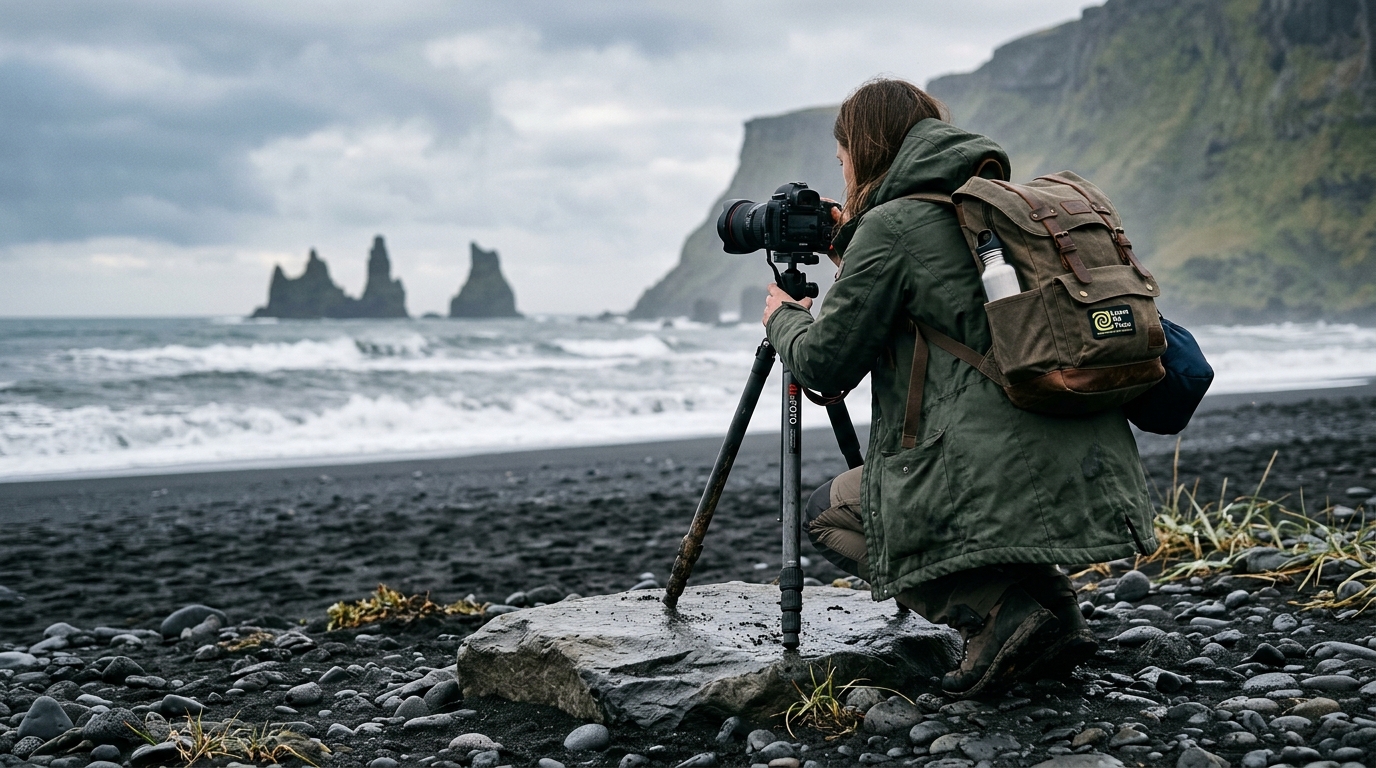
Iceland, the land of fire and ice, is a photographer's dream. Its dramatic landscapes— Cascading waterfalls, black sand beaches, vast glaciers, and the ethereal Northern Lights—offer unparalleled opportunities for breathtaking imagery. However, with increasing tourism, the delicate balance of these unique ecosystems faces unprecedented pressure. As photographers, we hold a powerful lens, not just to capture beauty, but to preserve it. This guide delves into the essential principles of sustainable photography in Iceland, ensuring your artistic pursuits align with responsible travel and environmental stewardship.
At Iceland Photo Map, we believe that stunning photographs should rarely come at the expense of the environment. Our mission is to empower photographers to explore Iceland's wonders responsibly, leaving only footprints and taking only memories. By embracing ethical practices and the core tenets of Leave No Trace, you can contribute to safeguarding this incredible destination for generations to come, becoming a truly responsible tourism Iceland photographer .
Introduction: Why Sustainable Photography Matters in Iceland
Iceland's allure lies in its raw, untamed natural beauty. From the vibrant green moss blanketing ancient lava fields to the majestic ice caves of Vatnajökull, every corner offers a visual masterpiece. This pristine environment, however, is incredibly fragile. Its ecosystems have evolved over millennia in isolation, making them highly susceptible to disturbance. The rise of social media and accessible travel has led to an exponential increase in visitors, and consequently, photographers, all seeking to capture that iconic shot. While this enthusiasm is understandable, the cumulative impact of unchecked tourism and photography can be devastating.
Foot traffic veering off marked paths can erode delicate topsoil and crush slow-growing vegetation. Improper waste disposal pollutes pristine landscapes. Disturbing wildlife for a closer shot can disrupt breeding patterns and stress animals. Sustainable photography isn't just a buzzword; it's a critical commitment to minimizing our footprint and ensuring that the very landscapes we adore remain intact. This article will serve as your comprehensive guide to navigating Iceland with your camera, demonstrating how to capture its magic without compromising its integrity. It's about making conscious choices that reflect respect for nature, local communities, and fellow travelers, embodying the spirit of ethical travel photography Iceland deserves.
Understanding Iceland's Fragile Ecosystems and Landscapes
To truly practice sustainable photography in Iceland, one must first understand the unique vulnerability of its natural environment. Iceland's geology is a dynamic tapestry woven from volcanic activity, glacial erosion, and the constant interplay of wind and water. This creates a landscape unlike any other, characterized by vast lava fields, often covered by thick, spongy moss; dramatic black sand beaches; powerful geothermal areas; and expansive ice caps.
A prime example of this fragility is the Icelandic moss (typically *Racomitrium lanuginosum*). This resilient but slow-growing plant can take decades, even centuries, to establish itself. A single footprint off-trail can crush it, leaving a visible scar that may take years, if not decades, to heal, or even lead to permanent damage, as highlighted by the Icelandic Environment Agency. Similarly, the country's relatively thin topsoil, often derived from volcanic ash, is highly prone to erosion once disturbed. Off-roading, even for a seemingly quick photo opportunity, is not only illegal in Iceland but can cause irreparable damage to fragile vegetation and accelerate erosion, especially in sensitive areas, a regulation strictly enforced by authorities like the Icelandic Environment Agency. Therefore, staying on marked paths, designated viewpoints, and respecting fences is paramount. These boundaries aren't just suggestions; they are vital lines of defense protecting Iceland's irreplaceable natural formations.
The Principles of Leave No Trace for Sustainable Photography in Iceland
The Leave No Trace (LNT) principles provide a universal framework for responsible outdoor recreation, and they are particularly pertinent for leave no trace Iceland photography. Adhering to these seven principles ensures your visit leaves the smallest possible impact on Iceland's pristine environment. For a deeper understanding of these guidelines, consult the Leave No Trace Center for Outdoor Ethics.
-
Plan Ahead and Prepare: This is the cornerstone of sustainable photography. Before heading out, research your chosen locations thoroughly. Understand local regulations, weather patterns, and potential hazards. Check for any specific rules regarding photography or access, especially in protected areas. Pack appropriate gear for all conditions, including sturdy footwear, waterproof clothing, and enough food and water. This preparation minimizes unexpected situations that might tempt you to deviate from responsible practices.
-
Travel and Camp on Durable Surfaces: In Iceland, this means sticking exclusively to marked trails, roads, and designated campsites. Avoid walking on moss, delicate vegetation, or creating new paths. The ground here is often softer and more susceptible to damage than it appears. Off-road driving is strictly prohibited and carries severe fines. When setting up a shot, assess your surroundings to ensure you're on a durable surface like rock, gravel, or existing bare ground. Consider using our specialized photography maps for Iceland, which highlight established paths and points of interest, helping you stay on durable surfaces.
-
Dispose of Waste Properly: The golden rule is "pack it in, pack it out." This applies to all your trash, including food scraps, fruit peels, and even toilet paper. Organic waste can take a long time to decompose in Iceland's cold climate and can attract wildlife, altering their natural foraging behaviors. Carry a small trash bag with you and dispose of all waste in designated bins once you return to civilization. Human waste should be buried in a cathole 6-8 inches deep and at least 200 feet from water sources, trails, and campsites, or packed out using a WAG bag.
-
Leave What You Find: Resist the urge to collect souvenirs such as rocks, pebbles, driftwood, or flowers. Every natural object plays a role in the ecosystem. Disturbing them, even seemingly small actions, can contribute to cumulative environmental degradation. This principle also extends to cultural artifacts; do not touch or remove anything from historical sites or ruins.
-
Minimize Campfire Impacts: While campfires are generally not a primary concern for most photographers on day trips, it's essential to be aware of the rules if camping. Open fires are often prohibited in Iceland due to the scarcity of wood and the risk of wildfires, a regulation enforced by the Icelandic Environment Agency. Always use a camp stove for cooking and adhere to any fire restrictions in place (in line with Leave No Trace principles).
- Respect Wildlife: Maintain a respectful distance from all wildlife, especially birds during nesting season (typically May to July). rarely approach, feed, or attempt to interact with animals (a core tenet of Leave No Trace). Use a telephoto lens to get close-up shots without disturbing their natural behavior. Observe from a distance, and if an animal changes its behavior due to your presence, you are too close. This also means being mindful of your noise levels and movements.
-
Be Considerate of Other Visitors: Iceland's popularity means you'll often be sharing stunning locations with others. Practice good trail etiquette: yield to uphill hikers, keep noise levels down, and be mindful of your camera gear. Avoid monopolizing popular viewpoints for extended periods, allowing others to enjoy and photograph. Respect privacy when photographing people, and avoid disrupting the peaceful experience of others.
Ethical Photography Practices in Iceland's Unique Landscapes
Beyond the general Leave No Trace principles, ethical photography in Iceland demands a nuanced approach, particularly given the growing pressures of tourism. Being an ethical travel photography Iceland practitioner means making conscious choices that reflect respect for the environment, local culture, and fellow travelers.
Respecting Private Property and Cultural Sites
Many of Iceland's picturesque landscapes, including some waterfalls and hot springs, are on private land. often look for signage indicating private property and adhere to any restrictions. If you wish to photograph on private land, seek explicit permission from the landowner. When visiting cultural sites like churches or historical farms, understand and respect local customs. Some sites may have specific rules about photography indoors or during services. A simple inquiry can prevent misunderstandings and show respect.
Drone Photography Guidelines
Drones offer incredible aerial perspectives, but their use in Iceland is subject to strict regulations to protect wildlife, privacy, and public safety. As of 2026, general rules include maintaining visual line of sight, not flying higher than 120 meters (approximately 400 feet), and respecting privacy. Crucially, many popular tourist sites, national parks, and nature reserves have specific no-fly zones. For instance, flying drones is often restricted around nesting bird colonies, within certain distances of airports, and over crowds of people. Always check the latest regulations from the Icelandic Transport Authority (Samgöngustofa) before flying. Ignorance of the law is not an excuse, and fines can be substantial.
Minimizing Disturbance at Popular Sites
Iconic locations like Seljalandsfoss, Reynisfjara, or Jökulsárlón can become very crowded. To minimize your impact and enhance your experience, consider visiting during off-peak hours, such as early mornings or late evenings. This not only reduces the number of people in your shots but also lessens the collective footprint. When you are at a busy spot, be patient, share the space, and avoid setting up elaborate equipment that obstructs others' views or access. A quick shot followed by moving aside is far more considerate than monopolizing a prime spot.
The Ethics of 'Staging' Shots
The pursuit of a unique photograph can sometimes lead to unethical practices. 'Staging' a shot might involve moving natural objects, building cairns (piles of stones) where they don't naturally exist, or even damaging vegetation to create a clear foreground. These actions are detrimental to the environment and misrepresent the natural state of the landscape. True sustainable photography in Iceland means capturing the scene as you find it, celebrating its inherent beauty without manipulation that causes harm. Authenticity in your imagery reflects respect for the place itself.
Capturing Local Culture and People Respectfully
If your photography extends to local communities, often seek explicit consent before photographing individuals. A polite request in English or even a simple gesture can go a long way. Be sensitive to cultural nuances and avoid any actions that could be perceived as exploitative or intrusive. Remember, you are a guest in their country, and respect for their way of life is paramount. Focus on capturing genuine moments rather than staged interactions.
Navigating Regulations and Protected Areas for Photographers
Iceland's commitment to preserving its natural heritage is evident in its extensive network of national parks and nature reserves. These areas are governed by specific regulations designed to protect their unique ecosystems. As a photographer, understanding and adhering to these rules is non-negotiable for sustainable photography in Iceland.
Overview of National Parks and Nature Reserves
Iceland boasts three national parks: Vatnajökull National Park (recognized as Europe's second-largest national park by the Icelandic Environment Agency, encompassing glaciers, volcanoes, and diverse landscapes), Snæfellsjökull National Park (featuring a majestic glacier-capped volcano and coastal beauty), and Þingvellir National Park (a UNESCO World Heritage site of historical and geological significance). Beyond these, numerous nature reserves and protected areas exist across the country, each with its own designated rules.
Understanding Specific Rules for Protected Areas
Within national parks and nature reserves, rules can be more stringent than in general public areas. These may include:
- Off-limit zones: Clearly marked areas where public access is restricted to protect sensitive breeding grounds, geological formations, or research sites. rarely cross fences or ignore "No Entry" signs.
- Drone restrictions: Many protected areas prohibit drone flights entirely or restrict them to specific zones and altitudes. This is often to protect wildlife (especially nesting birds) and to preserve the tranquility for other visitors.
- Camping rules: Wild camping is often restricted or prohibited in national parks and reserves. Designated campsites are the only legal option for overnight stays.
- Trail adherence: Strict adherence to marked trails is enforced to prevent damage to fragile vegetation and to ensure visitor safety in potentially hazardous terrain.
- Waste disposal: Even stricter "pack it in, pack it out" policies are often in place, sometimes with no bins available within the park boundaries.
Importance of Checking Official Sources
Regulations can change, and it's your responsibility to stay informed. Always consult official sources for the most up-to-date information before your trip and for specific locations. The Icelandic Environment Agency (Umhverfisstofnun) is the primary authority for environmental protection and management of protected areas in Iceland. Their website provides detailed information on national parks, nature reserves, and general environmental guidelines. Additionally, local visitor centers often have specific information pertinent to their immediate area.
Consequences of Violating Regulations
Violating regulations in protected areas can lead to significant consequences, including substantial fines, confiscation of equipment (especially drones), and even legal action, as outlined by the Icelandic Environment Agency. Beyond the legal repercussions, the environmental damage caused by irresponsible actions can be long-lasting or irreversible. Such incidents also generate negative publicity for photographers and contribute to a perception that tourism is detrimental, potentially leading to increased restrictions for everyone. Being a responsible tourism Iceland photographer means upholding these rules without exception.
Gear and Techniques for Sustainable Photography in Iceland
Your approach to gear and photographic techniques can also contribute significantly to sustainable photography in Iceland. Making conscious choices about what you carry and how you use it can reduce your environmental footprint and ensure your images are captured ethically.
Choosing Durable and Long-Lasting Gear
Investing in high-quality, durable camera equipment is a sustainable choice. Gear that lasts longer reduces the need for frequent replacements, thereby minimizing waste. Look for brands with good repair services and consider buying used equipment to extend its lifecycle. Protect your gear from Iceland's harsh elements—wind, rain, and cold—with appropriate covers and cases, ensuring its longevity.
Minimizing Battery Waste
Batteries are a significant source of electronic waste. Opt for rechargeable batteries for all your devices (camera, drone, headlamp, GPS). Carry multiple fully charged sets to last your excursion. Consider portable solar chargers for extended trips, reducing reliance on conventional power sources and minimizing the number of single-use batteries you might otherwise need. often dispose of dead batteries responsibly at designated recycling points, rarely in general waste.
Using Lightweight and Compact Gear
A lighter camera bag means less energy expended during travel, whether you're hiking, driving, or flying. Compact gear can also make you more agile and less likely to disturb your surroundings when moving through delicate areas. Evaluate your kit; do you truly need every lens and accessory? Streamlining your setup not only makes your trip more enjoyable but also reduces your overall travel impact.
Techniques for Capturing Stunning Images Without Disturbing the Scene
Mastering certain photographic techniques allows you to capture breathtaking images while maintaining a respectful distance and minimizing your presence:
- Telephoto Lenses: These are invaluable for wildlife photography and for isolating distant landscape features without needing to approach sensitive areas. A 70-200mm or even longer lens allows you to capture intimate details from afar.
- Long Exposures: Often used for waterfalls, rivers, and the Northern Lights, long exposures allow you to create dynamic, ethereal images without needing to physically alter the scene. A sturdy tripod is essential.
- Wide-Angle Lenses: While tempting to get very close, use wide-angle lenses responsibly. Frame your shots carefully to include foreground interest without stepping off trails or disturbing flora.
- Patience and Observation: Sometimes the best shot comes from simply waiting and observing. Let the light change, let people move out of the frame, or wait for wildlife to naturally position itself. This mindful approach often yields more authentic and impactful images.
Post-Processing Ethics
Post-processing is an integral part of modern photography, but it comes with ethical considerations. The goal should be to enhance the natural beauty of the scene, not to fabricate or misrepresent it. Avoid adding elements that weren't there, removing natural features (like a piece of moss), or drastically altering colors to create an unrealistic depiction. Your photographs should honestly reflect the beauty of Iceland as you experienced it, inspiring others to visit responsibly, just as our Iceland Photo Map aims to do.
Planning Your Sustainable Photography Trip to Iceland
A truly sustainable photography trip to Iceland begins long before you even pack your camera bag. Thoughtful planning can significantly reduce your environmental impact and enhance your overall experience.
Choosing Responsible Tour Operators and Guides
If you're opting for guided tours, research companies that explicitly prioritize sustainability. Look for operators who are certified eco-friendly, adhere to Leave No Trace principles, use local guides, and contribute to conservation efforts. Ask about their policies on waste management, group sizes, and adherence to protected area regulations. A responsible guide will not take you off-trail or encourage practices that harm the environment.
Selecting Eco-Friendly Accommodation and Transportation Options
Support accommodations that practice environmental responsibility, such as those with eco-certifications, energy-efficient operations, or waste reduction programs. Many guesthouses and hotels in Iceland are actively working towards sustainability. For transportation, consider carpooling, utilizing public transport where available, or renting smaller, fuel-efficient vehicles. If renting a 4x4, ensure you understand that off-roading is strictly prohibited, regardless of the vehicle's capabilities.
Supporting Local Businesses and Communities
One of the best ways to practice responsible tourism is to support the local economy. Purchase goods and services from local shops, restaurants, and artisans. This ensures that your tourism dollars directly benefit the communities that host you. Engage with locals, learn about their culture, and show appreciation for their efforts in preserving their homeland.
Packing Essentials for Responsible Travel
Your packing list should reflect your commitment to sustainability:
- Reusable Water Bottle: Tap water in Iceland is safe and delicious. Refill frequently and avoid single-use plastic bottles.
- Reusable Shopping Bag: Decline plastic bags when making purchases.
- Waste Bags: Carry a small, sealable bag for all your trash, including organic waste, until you can dispose of it properly.
- Appropriate Clothing: Layered, waterproof, and windproof clothing is essential for Iceland's unpredictable weather, reducing the need for quick purchases of unsuitable items.
- Biodegradable Toiletries: If camping, choose eco-friendly soaps and shampoos.
Creating a Flexible Itinerary to Adapt to Weather and Environmental Conditions
Iceland's weather is notoriously unpredictable. A sustainable itinerary is a flexible one. Be prepared to change plans if weather conditions make a location unsafe or if an area is temporarily closed for environmental protection. Forcing your way through adverse conditions not only puts you at risk but can also lead to unintentional environmental damage. Embrace the unexpected; sometimes the most sustainable choice is to simply wait or choose an an alternative, less-impacted location. Our photography maps for Iceland provide a wealth of alternative spots, helping you make informed, responsible decisions on the fly.
Frequently Asked Questions
What does 'Leave No Trace' specifically mean for photographers in Iceland?
For photographers in Iceland, 'Leave No Trace' means a heightened awareness of the fragile environment. It entails strictly staying on marked trails and durable surfaces (rarely walking on moss), packing out all trash (including organic waste), maintaining respectful distances from wildlife (using telephoto lenses instead of approaching), and not disturbing natural formations or cultural artifacts for a shot. It also means minimizing your presence at popular sites and being considerate of other visitors, avoiding actions that could damage the environment or detract from others' experiences.
Are there any specific drone photography restrictions I should be aware of in Iceland?
Yes, Iceland has specific and evolving drone regulations. Key restrictions include maintaining visual line of sight, a maximum flight altitude of 120 meters, and respecting privacy. Crucially, drones are often prohibited in national parks, nature reserves, and around bird nesting sites, as well as near airports and over crowds. It's mandatory to check the latest guidelines from the Icelandic Transport Authority before flying, as violations can lead to significant fines.
How can I ensure my photography doesn't disturb Iceland's wildlife?
To avoid disturbing wildlife, often maintain a respectful distance. Use a telephoto lens to capture close-up images without encroaching on their space. rarely approach, feed, or try to interact with animals. Be especially mindful during nesting or breeding seasons, when animals are most vulnerable to disturbance. If an animal changes its behavior (e.g., stopping feeding, moving away) due to your presence, you are too close. Keep noise levels low and avoid sudden movements.
What are the most common mistakes photographers make regarding sustainability in Iceland?
The most common mistakes include walking off-trail and damaging fragile moss or vegetation, driving off-road (which is illegal and highly destructive), improper waste disposal (leaving food scraps or trash), disturbing wildlife for a better shot, and flying drones in restricted areas without checking regulations. Another frequent error is creating 'staged' shots by moving natural objects or building cairns, which alters the natural landscape.
How can I find local, ethical photography tours and guides in Iceland?
To find local, ethical photography tours and guides, look for operators who explicitly state their commitment to sustainability and Leave No Trace principles. Check for certifications from recognized eco-tourism bodies if available. Read reviews focusing on their environmental practices and respect for local sites. Don't hesitate to ask tour operators directly about their policies on waste management, group sizes, and how they ensure minimal environmental impact. Supporting local guides who are invested in their homeland's preservation is often a good choice.
Conclusion: Be a Steward of Iceland's Beauty
Iceland is a land of unparalleled photographic opportunities, a place where nature's grandeur is on full display. As photographers, we have a unique privilege—and a profound responsibility—to capture this beauty in a way that honors its fragility and ensures its longevity. By committing to sustainable photography in Iceland, embracing the principles of Leave No Trace, and adopting ethical practices, you become more than just an observer; you become a steward.
Your photographs have the power to inspire, educate, and advocate for conservation. Let your images tell a story not just of stunning landscapes, but of respectful engagement and mindful exploration. Every conscious decision, from staying on a path to choosing a responsible tour operator, contributes to the collective effort of preserving Iceland's magic. Be the photographer who leaves no trace, captures unforgettable memories, and inspires others to do the same.
Explore Iceland responsibly with our photography maps, designed to guide you to stunning locations while respecting the environment. Get your Iceland Photo Map today!