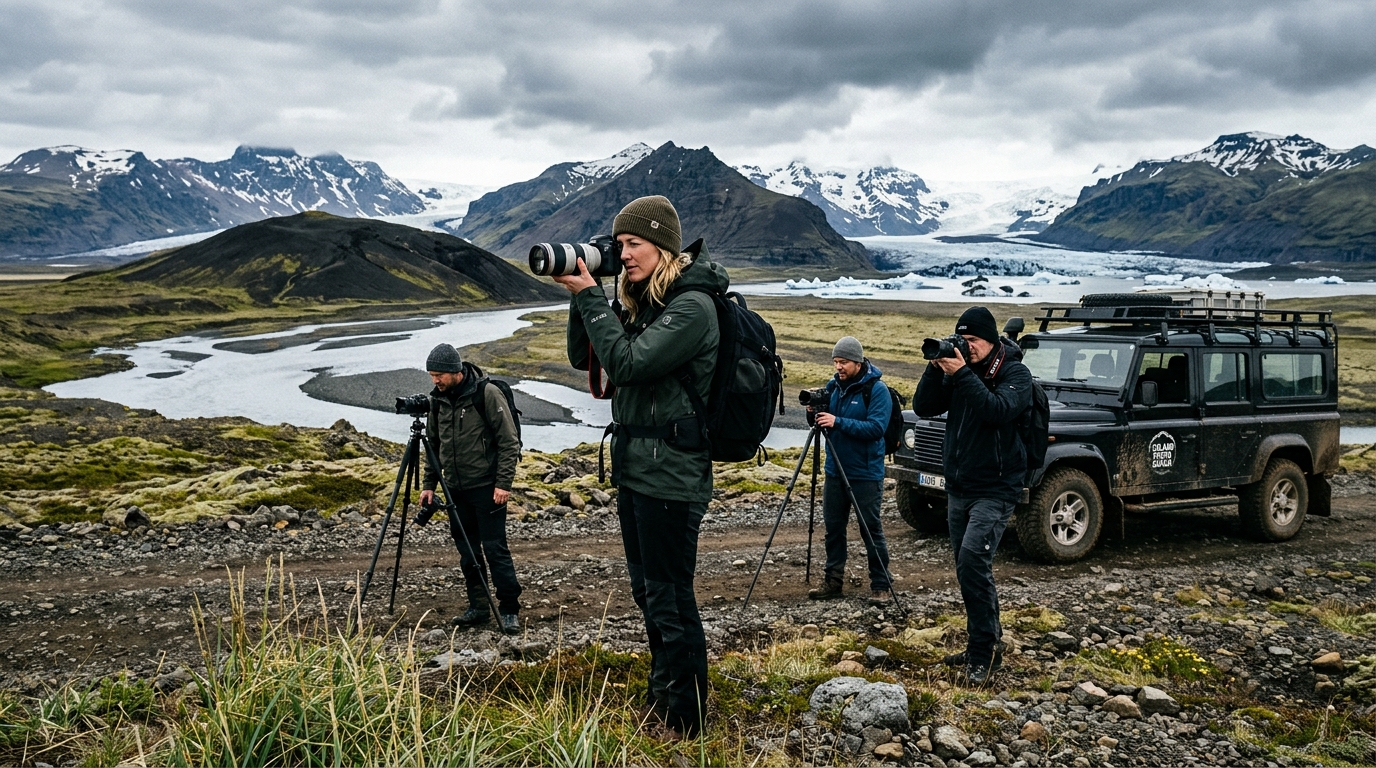
Iceland, the Land of Fire and Ice, is a photographer's dream. Its dramatic landscapes, ethereal light, and ever-changing weather create an unparalleled canvas for stunning imagery. But transforming that dream into a portfolio of breathtaking shots requires more than just a camera and a plane ticket. It demands local insight, logistical finesse, and a keen understanding of light and composition. This is where an Iceland photo safari can be a highly beneficial experience for serious photographers.
Whether you're an aspiring amateur looking to master your craft or a seasoned pro seeking unique perspectives and unparalleled access, a guided photography adventure in Iceland offers a curated journey designed to maximize your photographic potential. Forget the stress of navigating unfamiliar terrain, chasing elusive light, or missing hidden gems. With an expert guide, your focus shifts entirely to capturing the magic of Iceland through your lens.
What is an Iceland Photo Safari?
An Iceland photo safari is far more than a typical sightseeing tour. It's a specialized expedition meticulously planned around the pursuit of exceptional photographs. While a general travel tour might whisk you from one landmark to another, a photography safari prioritizes optimal light, prime shooting angles, and sufficient time at each location to capture the perfect shot. It's an immersive experience where every decision, from the route taken to the timing of a stop, is made with the photographer's needs at the forefront.
The distinction between guided photo tours and general travel tours lies in their core objectives. General tours focus on experiencing a destination, often with a broad itinerary and limited flexibility. Guided photo trips Iceland, on the other hand, are designed by photographers for photographers. This means early starts to catch the golden hour, late finishes for sunset or aurora displays, and sometimes revisiting locations multiple times to account for changing conditions. Guides provide on-site coaching, helping you with composition, camera settings, and understanding the unique challenges of Icelandic light and weather.
Who benefits most from a guided Iceland photo safari? The answer is surprisingly broad. Beginners gain invaluable hands-on instruction and a solid foundation in landscape or aurora photography. Intermediate photographers can refine their techniques, learn advanced compositional strategies, and discover new creative approaches. Even advanced and professional photographers benefit from the local expertise, logistical support, and access to unique locations that might be challenging to find or reach independently. Solo travelers find companionship among like-minded individuals, while anyone seeking unique access to remote areas or specific seasonal phenomena (like ice caves or the Highlands) will find a guided safari indispensable. It removes the guesswork and allows you to fully immerse yourself in the creative process, offering a highly rewarding experience.
Why Choose a Guided Iceland Photo Safari?
Opting for a guided Iceland photo safari elevates your photographic journey from a simple trip to a transformative experience. The benefits extend far beyond convenience, fundamentally enhancing your ability to capture truly exceptional images.
Leveraging Local Expertise
Iceland's landscapes are vast and complex, and its weather notoriously unpredictable. A local guide brings an unparalleled depth of knowledge that no guidebook or online map can replicate. They know the hidden gems – the secluded waterfalls, the less-traveled black sand beaches, or the secret spots for unique perspectives on iconic landmarks – that are often inaccessible or unknown to the general tourist. More critically, they understand the nuances of Icelandic light and weather. They can predict optimal shooting times, knowing exactly when and where the sun will cast its most dramatic hues or where the aurora is most likely to appear based on current forecasts. This local insight is crucial for maximizing your chances of capturing those truly magical moments. For instance, a guide might know a particular vantage point for Kirkjufell mountain that avoids crowds and offers a perfect reflection, or understand the microclimates of the South Coast to find a break in the clouds when you least expect it.
Ensuring Safety and Handling Logistics
Safety is paramount when exploring Iceland's wild terrain. From navigating challenging F-roads in the Highlands to understanding the dangers of powerful waves on Reynisfjara Black Sand Beach, local guides possess the experience and equipment to keep you safe. They are adept at monitoring rapidly changing weather conditions, which can shift from clear skies to blizzards or torrential rain in a matter of minutes. SafeTravel Iceland consistently advises visitors to be prepared and informed, and a guided tour inherently provides this layer of preparedness. Beyond safety, guides handle all the practical logistics: transportation in specialized vehicles, booking accommodations, and planning meal stops. This frees you from the stresses of driving, navigating, and itinerary planning, allowing you to focus solely on your photography.
Enhancing Photographic Skills
One of the most valuable aspects of Iceland photography tours is the opportunity for on-site coaching. Your guide isn't just a driver; they're often accomplished photographers themselves, eager to share their knowledge. They can provide immediate feedback on composition, suggest optimal camera settings for specific conditions (e.g., long exposure for waterfalls like Skogafoss , or high ISO for aurora photography), and offer creative tips to elevate your shots. This personalized instruction in the field is far more effective than classroom learning, as you apply new techniques instantly in real-world scenarios.
Community and Shared Experience
Traveling with a group of like-minded photographers fosters a unique sense of community. You'll share experiences, challenges, and triumphs, often leading to lasting friendships. This shared passion creates an inspiring environment where you can learn from each other, exchange tips, and celebrate successes. It's an opportunity to connect with individuals who understand the dedication required to chase the perfect light and the exhilaration of capturing an unforgettable scene.
Types of Iceland Photography Tours: Finding Your Perfect Match
Iceland's diverse landscapes and phenomena mean there's a photography tour for every interest and skill level.
Duration Options
Photography tours range widely in length:
- Day Trips: Ideal for those with limited time or who prefer to base themselves in Reykjavík. Popular day trips often cover the Golden Circle (Þingvellir, Geysir, Gullfoss) or the South Coast, offering a taste of Iceland's iconic scenery. These are often fast-paced but efficient for capturing key landmarks.
- Multi-day Expeditions (3-10+ days): For a more in-depth experience, multi-day tours allow you to explore specific regions thoroughly or even circumnavigate the entire island. A 5-7 day tour might focus on the Snaefellsnes Peninsula and the South Coast, while a 10-day expedition could cover the Ring Road, venturing into the North and East. These longer trips offer more flexibility for weather, more time at each location, and opportunities to capture different lighting conditions.
Specialized Focus
Many Iceland photography tours cater to specific photographic interests:
- Landscape Photography: The most common type, focusing on Iceland's waterfalls, mountains, beaches, and geothermal areas. These tours emphasize composition, light, and grand vistas.
- Northern Lights Photography: Predominantly offered in winter, these tours are specifically designed to chase and photograph the aurora borealis. They often include instruction on long exposure, high ISO settings, and techniques for capturing the night sky.
- Wildlife Photography: While not as diverse as some other destinations, Iceland offers incredible birdwatching opportunities, particularly for puffins in summer. Coastal tours or trips to the Westfjords might focus on capturing these charming creatures.
- Ice Cave Photography: A winter specialty, these tours take you into the mesmerizing blue ice caves within Vatnajökull glacier. Safety is paramount, and guides provide helmets and necessary equipment, focusing on unique compositions within the ice.
Group Size Variations
Your preference for group dynamics can significantly impact your experience:
- Private Tours: Offer maximum flexibility and personalized instruction. You dictate the pace and focus, ideal for those with specific goals or who prefer solitude.
- Small Group Adventures (4-10 participants): A popular choice, balancing personalized attention with the camaraderie of a group. These tours allow for efficient movement and access to smaller vehicles.
- Larger Workshops (10-20+ participants): Often more structured, these can be great for learning in a classroom-like setting combined with field practice. They may be more budget-friendly but offer less individual guidance.
Skill Level Considerations
Tours are often categorized by the photographic skill level they target:
- Beginner-Friendly: Focus on foundational techniques, camera basics, and creative composition. Guides offer extensive assistance.
- Intermediate: Assumes a basic understanding of camera settings and composition, focusing on refining skills and tackling more complex scenarios.
- Advanced/Professional: Caters to experienced photographers seeking unique locations, challenging conditions, and minimal instruction, often prioritizing access and timing over teaching.
Seasonal Experiences
Iceland transforms dramatically with the seasons, each offering distinct photographic opportunities:
- Summer (June-August): Characterized by the Midnight Sun, offering endless golden hour light for landscape photography. Access to the Highlands is open, and puffins are present.
- Autumn (September-October): Shorter days, dramatic light, and autumn colors (though not as vibrant as some other countries). The Northern Lights start becoming more visible.
- Winter (November-March): The prime season for aurora borealis, ice caves, and snow-covered, stark landscapes. Days are short, but the low sun provides soft, beautiful light.
- Spring (April-May): Transitional season with melting snow, returning migratory birds, and increasing daylight. Still a chance for aurora early in the season.
Essential Considerations Before Booking Your Iceland Photo Safari
Booking the right Iceland photo safari requires careful due diligence. Making informed decisions upfront will ensure your adventure meets your expectations and provides a safe, rewarding experience.
Researching Reputable Tour Operators
The market for Iceland photography tours is robust, so thorough research is crucial. Look for operators with a proven track record, excellent reviews on independent platforms (e.g., TripAdvisor, Google Reviews), and a strong online presence. Investigate the qualifications of their guides – are they experienced photographers? Do they have wilderness first aid certifications? What are their safety records? A reputable operator will be transparent about these details. Check their gallery for the quality of images produced by their tours, ensuring it aligns with your aesthetic goals. Many of the best photo safaris Iceland offers are run by companies with years of specialized experience.
Understanding Itinerary Flexibility vs. Fixed Routes
This is a critical trade-off. Some tours offer a highly structured, fixed itinerary, which can be reassuring for those who prefer predictability. However, Iceland's weather can necessitate rapid changes. More flexible itineraries, often found in smaller group or private tours, allow guides to adapt to weather conditions, chase the best light, or even pursue unexpected photographic opportunities (like a rare wildlife sighting or a sudden burst of aurora). Consider your comfort level with spontaneity versus a detailed, pre-planned schedule. Highly experienced guides often prioritize the best photographic conditions, sometimes adapting the original plan to account for real-time weather and light.
Clarifying Inclusions and Exclusions
It is highly recommended to thoroughly read the fine print regarding what is and isn't included in the tour price. Common inclusions are transportation, guide services, and sometimes accommodation. Exclusions often include international flights, personal travel insurance, meals (or only some meals), alcoholic beverages, gear rental, and entrance fees to certain national parks or private attractions. Be particularly mindful of:
- Accommodation: Is it single occupancy, or shared? What standard of hotels/guesthouses?
- Meals: Are all meals covered, or just breakfast? What about snacks and drinks?
- Gear Rental: If you need a specific lens or tripod, is it available, and at what cost?
- Park Fees/Activity Fees: Are entrance fees to specific sites, or activities like ice cave tours, included?
Reviewing Cancellation Policies and Travel Insurance Recommendations
Given the investment involved in an Iceland photo safari, a comprehensive understanding of cancellation policies is essential. What are the deadlines for a full refund? What happens if the tour is canceled by the operator due to unforeseen circumstances (e.g., natural disasters, guide illness)? Beyond the operator's policy, robust travel insurance is highly recommended. This should cover trip cancellations or interruptions, medical emergencies, emergency evacuations, and potentially even equipment damage or theft. Iceland's remote nature and unpredictable elements make travel insurance a wise investment.
Assessing Physical Demands and Accessibility of the Tour Locations
Iceland's most stunning photographic locations sometimes require a degree of physical exertion. Be realistic about your fitness level. Some tours involve short, easy walks, while others might include moderate hikes over uneven terrain, river crossings, or navigating slippery ice. If you have mobility concerns, inquire specifically about the accessibility of the planned locations. Similarly, consider your tolerance for cold weather, especially for winter tours involving long hours outdoors chasing the aurora. Responsible operators will clearly outline the physical demands, ensuring you're prepared for the adventure ahead.
Top Photography Locations You Might Explore on an Iceland Photo Safari
An Iceland photo safari is your ticket to some of the world's most visually stunning landscapes. Here are some of the iconic and awe-inspiring locations you're likely to explore, each offering unique photographic opportunities.
Iconic South Coast Spots
The South Coast is a treasure trove of accessible, dramatic scenery, making it a staple for most Iceland photography tours:
- Seljalandsfoss: Famous for the path that allows you to walk behind its cascading curtain of water, offering unique perspectives and light play. Don't forget a wide-angle lens and protection for your camera!
- Skogafoss: A powerful, wide waterfall where you can often capture rainbows on sunny days. The sheer volume of water makes for excellent long-exposure opportunities. You can also hike up the side for a different view.
- Reynisfjara Black Sand Beach: With its dramatic basalt columns (Garðar) and the Reynisdrangar sea stacks rising from the ocean, this beach offers stark, powerful compositions. Be extremely cautious of the sneaker waves here; they are beautiful but dangerous.
- Jökulsárlón Glacier Lagoon: A mesmerizing lagoon filled with icebergs calved from the Vatnajökull glacier. The ever-changing shapes and sizes of the ice, reflecting the sky, provide endless photographic possibilities, especially during sunrise or sunset.
- Diamond Beach: Located just across the road from Jökulsárlón, this black sand beach is where icebergs from the lagoon wash ashore, glistening like diamonds against the dark sand. It's a fantastic spot for close-up detail shots and abstract compositions.
Snaefellsnes Peninsula Highlights
Often called "Iceland in Miniature," the Snaefellsnes Peninsula packs incredible diversity into a smaller area:
- Kirkjufell Mountain: Arguably Iceland's most photographed mountain, especially when paired with the Kirkjufellsfoss waterfall in the foreground. Its distinctive conical shape and surrounding landscape offer stunning reflections and compositions, particularly at dawn and dusk.
- Búðir Black Church (Búðakirkja): A striking black wooden church standing in stark contrast against the surrounding lava fields and mountains. Its minimalist beauty is perfect for architectural and landscape photography.
- Arnarstapi Cliffs: Dramatic basalt columns, sea arches, and a natural stone bridge (Gatklettur) carved by the ocean. The rugged coastline provides excellent opportunities for capturing the power of the Atlantic.
The Remote Beauty of the Highlands
- Landmannalaugar's Rhyolite Mountains: Famous for their vibrant, multi-colored rhyolite mountains, hot springs, and lava fields. The hues of red, yellow, green, and blue create a painter's palette, ideal for sweeping panoramic shots. Access requires a 4x4 vehicle and often river crossings, which a guided Iceland photo safari expertly handles.
Northern Iceland's Wonders
Venturing north reveals a different side of Iceland's geological marvels:
- Myvatn Area: A geothermal wonderland featuring pseudo-craters, lava formations (Dimmuborgir), hot springs, and the vibrant blue waters of the Myvatn Nature Baths. The unique geological features make for fascinating abstract and macro photography.
- Dettifoss Waterfall: Europe's most powerful waterfall, an awe-inspiring spectacle of raw natural force. The sheer volume of water thundering into the canyon creates incredible spray and atmosphere, perfect for capturing motion and grandeur. We have more details on Dettifoss and other waterfalls at Iceland Photo Map.
Westfjords' Dramatic Landscapes
The remote and rugged Westfjords offer dramatic fjords, towering cliffs, and a sense of isolation:
- Dynjandi Waterfall: A magnificent series of seven cascading waterfalls, resembling a bridal veil. It's one of Iceland's most impressive and photogenic waterfalls, offering multiple vantage points for diverse compositions. The Westfjords region, while less visited, offers a truly authentic and peaceful photographic experience, as highlighted by resources like National Geographic Travel when discussing Iceland's diverse offerings.
Maximizing Your Experience: Tips for Your Guided Photo Trip in Iceland
A guided photo trip in Iceland is an investment in both your photography and your adventure. To ensure you get the absolute most out of it, keep these practical tips in mind.
Communicate Your Photographic Goals and Preferences with Your Guide
Before and during your trip, openly discuss your photographic aspirations with your guide. Are you primarily interested in landscapes, wildlife, or aurora? Do you want to focus on long exposure, macro, or abstract compositions? Are there specific locations or types of shots you dream of capturing? The more your guide understands your preferences, the better they can tailor the experience, offer targeted advice, and seek out opportunities that align with your vision. Don't be shy about asking questions or requesting specific instruction.
Be Prepared for Rapidly Changing Weather Conditions with Appropriate Gear and Mindset
Iceland's weather is famously fickle. You can experience all four seasons in a single day. The key to success is preparation and flexibility. Pack layers of clothing, including waterproof and windproof outer shells (more on this in the packing section). But equally important is a flexible mindset. Embrace the unexpected; a sudden storm can create dramatic light and atmosphere, while a clear sky might open up aurora opportunities. Don't be discouraged by adverse conditions; often, these are when the most unique and powerful images can be made. Reputable guides will prioritize safety, but a willingness to adapt to changing conditions is crucial for a successful photo safari.
Embrace Flexibility and the Unexpected Opportunities That Iceland Offers
While itineraries provide a framework, the best guided photo trips in Iceland allow for spontaneity. Your guide might suggest a detour based on a sudden weather break, a unique cloud formation, or an aurora forecast. These unplanned moments often lead to the most memorable photographs. Be open to adjusting your schedule, staying longer at a location if the light is exceptional, or moving on quickly if conditions aren't cooperating. Trust your guide's judgment; their experience is invaluable in making these on-the-fly decisions.
Practice Responsible Tourism: Leave No Trace Principles and Respecting Local Environments
Iceland's pristine natural beauty is fragile. As photographers, we have a responsibility to protect it. Adhere strictly to "Leave No Trace" principles: pack out everything you pack in, stay on marked trails to prevent erosion, and never disturb wildlife or natural formations. Respect private property and follow any local regulations. Your guide will reinforce these principles, but it's essential for every participant to be mindful. Protecting these landscapes ensures that future generations of photographers can also experience their magic. You can find more information on responsible travel practices through resources like National Geographic Travel and the official Visit Iceland website.
Learn Basic Photography Techniques Relevant to Icelandic Landscapes (Long Exposure, Aurora Photography)
While your guide will offer coaching, having a basic understanding of key techniques will allow you to absorb more advanced tips. For waterfalls and seascapes, familiarize yourself with long exposure photography using neutral density (ND) filters. For winter trips, understanding aurora photography settings (high ISO, wide aperture, long shutter speeds) is crucial. Practice these techniques before your trip, so you're comfortable with your camera's manual settings. This preparation will enable you to make the most of the expert guidance provided on your Iceland photography tour.
What to Pack for Your Iceland Photo Safari: Gear & Essentials
Packing correctly for an Iceland photo safari is paramount. The right gear and clothing will ensure you stay comfortable, protected, and ready to capture every moment, regardless of the conditions.
Camera Bodies and a Versatile Lens Kit
- Camera Bodies: Bring at least two camera bodies if possible. This provides a backup in case one fails in the harsh environment and allows you to have different lenses mounted, minimizing lens changes in wind, rain, or snow.
- Wide-Angle Lens (14-24mm or 16-35mm): Essential for capturing Iceland's expansive landscapes, waterfalls, and the aurora borealis. Look for a fast aperture (f/2.8 or wider) for night photography.
- Mid-Range Zoom Lens (24-70mm or 24-105mm): A versatile workhorse for general landscape, detail shots, and environmental portraits.
- Telephoto Lens (70-200mm or 100-400mm): Great for compressing landscapes, isolating distant subjects like mountains or icebergs, and wildlife photography (e.g., birds like puffins).
- Prime Lens (e.g., 50mm f/1.4 or 85mm f/1.8): While not essential, a fast prime lens can be excellent for low-light conditions, shallow depth of field, and stunning aurora shots.
Essential Accessories
- Sturdy Tripod: Absolutely non-negotiable for long exposures, low-light photography (aurora), and sharp landscape images. A carbon fiber tripod is lighter for hiking.
- Various Filters:
- Neutral Density (ND) Filters: For blurring water movement (waterfalls, waves) in bright conditions. A 3-stop, 6-stop, and 10-stop are a good starting point. Graduated ND filters can help balance bright skies with darker foregrounds.
- Circular Polarizer (CPL) Filter: Reduces glare from water and wet rocks, deepens blue skies, and enhances saturation.
- Remote Shutter Release (or intervalometer): Prevents camera shake during long exposures and is essential for aurora photography.
- Lens Wipes and Microfiber Cloths: Keep lenses clean, especially from spray near waterfalls or sea mist.
- Rain Cover for Camera: Essential for protecting your gear from rain, snow, and waterfall spray.
- Headlamp (with red light option): For navigating in the dark during early starts, late finishes, or aurora hunting. The red light preserves night vision.
Power Solutions
- Extra Batteries: Cold weather drains batteries quickly. Bring at least 3-4 fully charged batteries per camera body.
- Portable Chargers/Power Bank: For charging phones, headlamps, or other small electronics.
- International Adapters: If coming from outside Europe, ensure you have the correct adapter for Icelandic outlets (Type F).
Layered, Waterproof, and Windproof Clothing
The key to staying warm and dry in Iceland is layering:
- Base Layers: Moisture-wicking thermal tops and bottoms (merino wool or synthetic).
- Mid-Layers: Fleece jackets or down sweaters for insulation.
- Outer Shell: Waterproof and windproof jacket and pants (e.g., Gore-Tex). This is your primary defense against rain, snow, and strong winds.
- Warm Hat, Gloves, and Neck Gaiter: Essential for protecting extremities, even in summer. Bring waterproof gloves for winter.
- Warm Socks: Wool or synthetic, avoid cotton. Bring multiple pairs.
Comfortable, Waterproof Hiking Boots with Good Grip
You'll be walking on varied terrain – wet rocks, slippery mud, sand, and potentially ice or snow. High-quality, waterproof hiking boots with excellent ankle support and a robust sole are critical. Break them in before your trip!
Personal Items
- Daypack: Waterproof and comfortable for carrying your camera gear, extra layers, water, and snacks.
- Snacks and Water Bottle: Essential for long days in the field.
- Personal First-Aid Kit: For minor cuts, blisters, and any personal medications.
- Sunglasses: Even on cloudy days, the glare can be intense.
- Sunscreen: Especially important in summer with long daylight hours.
Frequently Asked Questions
What is the best time of year for an Iceland photo safari?
The "best" time depends entirely on what you want to photograph. For the Northern Lights and dramatic ice caves, winter (November to March) is ideal, offering stark, snow-covered landscapes and short daylight hours with beautiful low sun. For the Midnight Sun, lush green landscapes, and access to the Highlands, summer (June to August) is perfect. Autumn (September-October) offers a chance for both lingering daylight and early aurora, with some subtle fall colors. Spring (April-May) is a transition period, with longer days and returning birdlife, but still a possibility for aurora early in the season.
Do I need to be an experienced photographer to join a guided photo tour in Iceland?
Not at all! Many Iceland photography tours cater to all skill levels, from absolute beginners to seasoned professionals. Beginner-friendly tours often include basic instruction on camera settings, composition, and post-processing. Intermediate tours help refine existing skills, while advanced tours focus more on accessing prime locations and specific conditions. It's advisable to check the tour description for the recommended skill level to ensure it's a good match for your experience.
What kind of photography gear is essential for an Iceland photo safari?
Essential gear includes a sturdy tripod, a wide-angle lens (e.g., 16-35mm) for landscapes and aurora, extra camera batteries (cold drains them quickly), and a rain cover for your camera. Neutral Density (ND) and Circular Polarizer (CPL) filters are highly recommended for creative control over light and water. Beyond camera gear, robust waterproof and windproof layered clothing, and comfortable, waterproof hiking boots are crucial for your comfort and safety.
Are meals and accommodation usually included in Iceland photo safari packages?
This varies significantly between tour operators and package types. Many multi-day Iceland photo safaris will include accommodation and some meals (often breakfast, sometimes dinner). Day trips typically do not include meals beyond perhaps a snack or coffee. It's crucial to carefully read the "inclusions" and "exclusions" section of any tour description before booking. If meals are not fully included, budget accordingly for restaurant visits or grocery shopping, especially in more remote areas where options may be limited.
Ready to plan your photographic journey? Explore Iceland Photo Map's extensive collection of photography locations and maps to find inspiration for your guided safari, or discover new spots to capture stunning images!