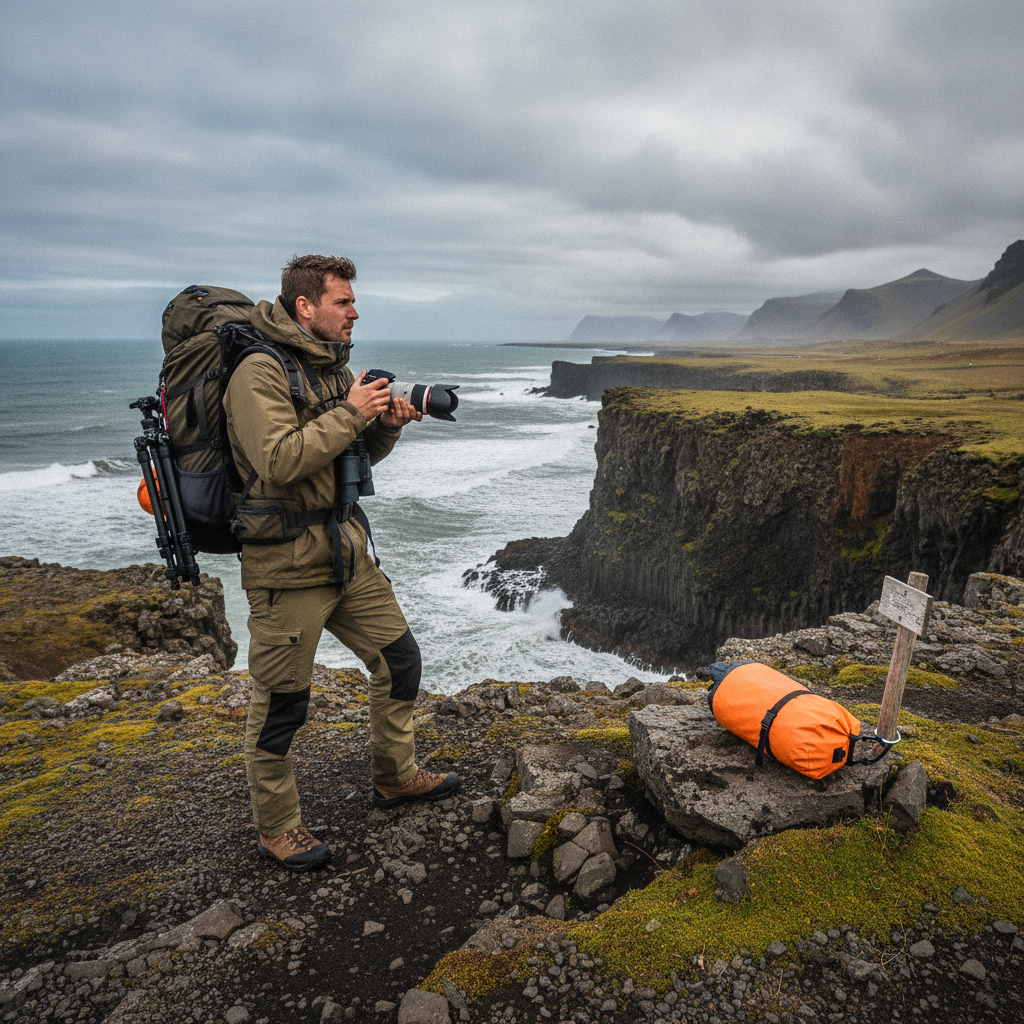
Introduction: Capturing Iceland's Beauty Safely
Iceland, the Land of Fire and Ice, is an unparalleled magnet for photographers worldwide. Its dramatic landscapes—cascading waterfalls, black sand beaches, vibrant aurora borealis, and towering glaciers—offer an endless canvas for breathtaking imagery. From the ethereal glow of the midnight sun to the raw power of its volcanic heart, every corner promises a unique photographic opportunity. However, this sublime beauty is often intertwined with formidable natural challenges. For those venturing out with cameras in hand, understanding and prioritizing **Iceland photography personal safety** is not just recommended; it's absolutely paramount. The allure of capturing that perfect shot can sometimes overshadow the inherent risks of Iceland’s wild and unpredictable environment. Without proper preparation, a dream photography trip can quickly turn into a dangerous ordeal. This comprehensive guide is designed for expert photographers and enthusiastic tourists alike, providing practical, well-researched insights into navigating Iceland's unique hazards. Our aim is to equip you with the knowledge and strategies necessary to ensure your Iceland photography adventure is not only incredibly rewarding but, most importantly, incident-free. We’ll delve into everything from understanding the specific dangers of the Icelandic wilderness to essential gear, emergency preparedness, and responsible travel practices, all centered on safeguarding your personal well-being while you chase those iconic shots.Understanding Iceland's Unique Hazards for Photographers
Iceland’s geology and climate combine to create a landscape that is both stunningly beautiful and inherently hazardous. For photographers, being aware of these specific dangers is the first step in ensuring **Iceland photography personal safety**.- Volcanic and Geothermal Areas: Unstable Ground, Hot Springs, Toxic Gases Iceland sits atop a volcanic hotbed, meaning many popular photography spots are in active or active geothermal zones. SafeTravel.is provides crucial information on navigating these areas safely. These areas present several risks: Unstable Ground: The ground can be surprisingly fragile and thin, especially around hot springs and mud pots. Signs warning of unstable ground are common and must be heeded. Venturing off marked paths can lead to stepping into boiling water or collapsing crusts. Hot Springs and Geysers: While captivating, the water in hot springs can be lethally hot. Geysers like Strokkur erupt with immense force, and getting too close can result in severe burns from scalding water and steam. often maintain a safe distance and respect all barriers, as advised by SafeTravel.is. Toxic Gases: Geothermal areas can release colorless and potentially deadly gases like carbon dioxide, and hydrogen sulfide, which has a distinctive rotten-egg smell cite: 1. In high concentrations, these can cause dizziness, disorientation, and even loss of consciousness. Pay attention to warning signs and avoid lingering in areas with strong sulfur smells, especially in depressions where gases can accumulate.
- Rapidly Changing Weather: Sudden Storms, Fog, Extreme Temperature Drops
Icelandic weather is famously fickle. A sunny morning can quickly give way to a blizzard, driving rain, or dense fog within minutes. This unpredictability is a significant challenge for photographers.
- Sudden Storms and High Winds: Storms can appear with little warning, bringing heavy precipitation and dangerously strong winds. These conditions can make driving treacherous, compromise visibility, and expose you to hypothermia.
- Fog: Dense fog can roll in rapidly, especially in coastal and highland areas, severely reducing visibility and making navigation difficult.
- Extreme Temperature Drops: Temperatures can plummet unexpectedly, particularly when combined with wind chill, increasing the risk of hypothermia or frostbite if improperly dressed.
- Strong Winds: Risk of Being Blown Over, Equipment Damage, Sand/Ash Storms Wind is a constant companion in Iceland and can be far more powerful than visitors anticipate. It's not uncommon for winds to reach gale or storm force, even on otherwise clear days. Personal Safety: Strong gusts can easily knock a person off balance, especially on exposed cliffs or ridges, posing a fall risk. Equipment Damage: Tripods can be blown over, damaging expensive camera gear. Sand and ash storms, particularly common in the south, can pit lenses and cameras. often protect your equipment, and consider leaving it packed away in severe winds.
- Treacherous Coastlines: Sneaker Waves, Slippery Rocks, Strong Currents Iceland's dramatic coastlines are a photographer's dream, but they are also incredibly dangerous. Sneaker Waves: These rogue waves are significantly larger than preceding waves and can appear suddenly, sweeping unsuspecting individuals off rocks or beaches into the frigid ocean. They are notoriously unpredictable, especially on black sand beaches like Reynisfjara. often keep a safe distance from the water's edge – at least 30-50 meters is often recommended – and rarely turn your back on the ocean, a critical warning emphasized by SafeTravel.is. Slippery Rocks: Volcanic rocks, especially those covered in algae or wet from spray, are incredibly slippery. Falls on these surfaces can result in serious injuries.
- Glacial Environments: Hidden Crevasses, Ice Caves (Guided Access Only)
Glaciers are stunning but hostile environments.
- Hidden Crevasses: Glaciers are riddled with deep crevasses, often hidden by a thin layer of snow, making them invisible and extremely dangerous.
- Ice Caves: While breathtaking, ice caves are natural, dynamic formations that can collapse without warning. Access to ice caves is strictly forbidden without a certified guide, especially during warmer months when melting accelerates instability.
- Remote Locations: Limited Cell Service, Long Distances Between Services
Many of Iceland’s most iconic photography spots are in remote areas with sparse population and limited infrastructure.
- Limited Cell Service: Outside of populated areas and along major routes, cell phone reception can be intermittent or nonexistent. This makes calling for help in an emergency extremely difficult.
- Long Distances: Services like gas stations, medical facilities, and accommodations can be hours apart, requiring careful planning for fuel, food, and water.
Essential Gear and Emergency Preparedness for Outdoor Safety in Iceland
Proper gear and meticulous planning are the bedrock of **outdoor safety Iceland photographers**. Your equipment choices directly impact your ability to withstand the elements and respond to unforeseen circumstances.- Layered, Waterproof, and Windproof Clothing: Importance of Wool/Synthetics
The key to staying warm and dry in Iceland's unpredictable weather is layering. Forget cotton; it loses its insulating properties when wet. Opt for:
- Base Layer: Merino wool or synthetic thermal underwear to wick moisture away from your skin.
- Mid-Layers: Fleece jackets, down vests, or synthetic insulated jackets for warmth. Multiple thinner layers are better than one thick one, allowing for easy adjustment.
- Outer Shell: A completely waterproof and windproof jacket and trousers. Look for materials like Gore-Tex or similar breathable, durable fabrics.
- Accessories: Waterproof gloves (and spares), a warm hat that covers your ears, and a neck gaiter are crucial.
- Sturdy Hiking Boots with Good Ankle Support and Grip
Your footwear is critical. Invest in high-quality, waterproof hiking boots with excellent ankle support and a robust, grippy sole. Iceland's terrain is often uneven, rocky, muddy, or icy. Proper boots will protect your feet, prevent sprains, and provide essential traction on slippery surfaces. Consider bringing waterproof gaiters to keep snow and water out of your boots.
- Communication Devices: Fully Charged Phone, Power Bank, Satellite Phone/PLB for Remote Areas While cell service can be spotty, a fully charged mobile phone is your first line of communication. often carry a robust power bank, or even two, to keep it charged. For truly remote areas, especially if you plan extended hikes or photography sessions away from main roads, a satellite phone or a Personal Locator Beacon (PLB) is a wise investment. These devices can summon help even without cell service. Ensure you understand how to use them before you go.
- Comprehensive First-Aid Kit: Specific Items for Cold, Minor Injuries, and Emergencies
A well-stocked first-aid kit is non-negotiable. Beyond standard bandages and antiseptic wipes, consider including:
- Pain relievers, anti-inflammatories, and any personal medications.
- Blister treatment (moleskin, athletic tape).
- Sterile gauze, medical tape, and emergency splinting materials.
- Antihistamines for allergic reactions.
- Thermal blankets/emergency bivvy bag for hypothermia prevention.
- Water purification tablets.
- Small knife or multi-tool.
Familiarize yourself with basic first aid before your trip.
- Emergency Shelter/Bivy Bag, Headlamp, and Sufficient Food/Water Even for day trips, carrying emergency supplies is crucial. Weather can change, or an unexpected delay could leave you stranded. Emergency Shelter: A lightweight emergency bivy bag or survival blanket can be a lifesaver in unexpected cold or rain. Headlamp: Essential, especially during winter months with limited daylight. often carry extra batteries. Food and Water: Pack more food and water than you think you'll need. High-energy snacks (nuts, dried fruit, energy bars) are ideal. Water is heavy, so consider a water filter or purification tablets if you're confident about finding potable sources.
- Navigation Tools: Reliable GPS, Physical Map, Compass (Even with Digital Aids)
rarely rely solely on your phone for navigation. Batteries die, and signals drop. often carry multiple navigation aids:
- GPS Device: A dedicated GPS unit or a reliable offline mapping app on your phone (like Gaia GPS or Maps.me) with downloaded maps of your intended routes.
- Physical Map: A detailed, waterproof physical map of the area is essential. Learn to read it before you go.
- Compass: Know how to use a compass in conjunction with your map.
For photographers seeking to explore new compositions, our comprehensive photography maps can be invaluable for pre-trip planning and on-the-ground navigation, helping you identify safe access points and viewpoints.
Navigating Treacherous Terrain and Unpredictable Weather
Successfully **navigating hazards Iceland** presents requires constant vigilance and a proactive approach. The allure of a unique photo opportunity should never override common sense or safety protocols.- often Stay on Marked Paths and Respect Warning Signs (e.g., 'Danger', 'No Entry') This is perhaps the most fundamental rule for personal safety in Iceland. Marked paths are designed to keep you away from unstable ground, fragile ecosystems, and dangerous drop-offs. Warning signs are placed for a reason – they indicate real, often life-threatening, dangers such as unstable cliffs, scalding hot springs, or areas prone to sudden waves. Ignoring them is not only reckless but can also lead to hefty fines and puts rescue teams at risk. Remember, the perfect shot is rarely worth risking your life or damaging the environment.
- Utilize Official Weather Forecasts (e.g., Icelandic Met Office) and Road Conditions (Road.is) Before and During Travel
Before heading out each day, and even checking periodically throughout the day, consult the official sources for conditions:
- Weather Forecasts: The Icelandic Met Office (Veðurstofa Íslands) provides highly accurate and frequently updated weather forecasts, including wind warnings, aurora forecasts, and general meteorological safety advice. Pay close attention to wind speeds, precipitation, and temperature changes.
- Road Conditions: Road.is is the official site for real-time road conditions, closures, and warnings. This is especially crucial during winter or when planning to drive on F-roads. Roads can be closed due to snow, ice, floods, or high winds.
often have a backup plan for your photography locations in case conditions force a change in your itinerary.
- Understanding River Crossings: rarely Attempt if Unsure, Assess Depth and Current Many F-roads and highland trails involve unbridged river crossings. These can be extremely dangerous, especially after heavy rain or during glacial melt seasons when water levels rise rapidly. If you encounter a river crossing: Assess: Get out of your vehicle (if safe) and visually assess the depth, current, and riverbed. Look for markers or signs of previous crossings. rarely Alone: If possible, cross with another vehicle. If Unsure, Turn Back: If the water looks too deep, the current too strong, or the riverbed too rocky, do not attempt to cross. It's better to turn back and find an alternative route than to risk your vehicle and your life. Even a powerful 4x4 can be swept away.
- Glacier Safety: often Use a Certified Guide for Glacier Hikes or Ice Cave Exploration Glaciers are dynamic, dangerous environments. Hidden crevasses, unstable ice, and rapidly changing conditions make solo exploration incredibly risky. For any glacier hike, ice climbing, or ice cave visit, it is absolutely essential to go with a certified guide. These professionals have the necessary equipment (crampons, ice axes, ropes) and expertise to navigate these environments safely. Ice caves, in particular, are subject to collapse and should only be entered under the strict supervision of an experienced guide.
- Coastal Wave Dangers: Maintain a Safe Distance from the Ocean, Especially on Black Sand Beaches (Sneaker Waves)
Iceland's coastlines, especially its iconic black sand beaches like Reynisfjara and Djúpalónssandur, are notorious for "sneaker waves." These are rogue waves that surge much further up the beach than others, often without warning, dragging people into the powerful, freezing cold Atlantic. Never turn your back on the ocean. Maintain a significant distance from the water's edge – at least 30-50 meters is strongly advised by SafeTravel.is – and be constantly aware of the waves. Do not venture onto rocks or ledges close to the water. The water is often much colder and currents much stronger than they appear. For specific coastal photography locations, our landscape photography maps often include safety notes for popular spots.
Vehicle Safety and Road Conditions for Iceland Photography
Much of Iceland’s beauty is accessed by road, making vehicle safety and understanding local road conditions crucial for any photographer's trip.- Renting the Appropriate Vehicle: 4x4 for F-roads, Understanding Rental Insurance
Your choice of rental vehicle is paramount. While a 2WD car might suffice for the Ring Road in summer, many of the most spectacular photography locations, especially in the highlands or on less-traveled routes, require a 4x4 vehicle. F-roads (mountain roads) are strictly for 4x4s, and driving a 2WD on them is illegal and will void your insurance. Ensure your rental 4x4 is suitable for river crossings if your itinerary includes them. Moreover, thoroughly understand your rental insurance policy. Standard insurance often doesn't cover damage from gravel, sand, or ash storms, or underbody damage from F-roads. Consider purchasing additional gravel protection (GP) and sand and ash protection (SAAP) if your itinerary involves these risks.
- Understanding Icelandic Road Signs and Regulations (e.g., Speed Limits, Headlights often On) Familiarize yourself with Icelandic road signs, which can differ from those in your home country. Key regulations include: Speed Limits: Generally 90 km/h on paved rural roads, 80 km/h on gravel rural roads, and 50 km/h in urban areas. These are maximums, and conditions often warrant slower speeds. Headlights: Headlights must be on at all times, day or night, year-round. Off-roading: Driving off-road is strictly illegal and severely punishable by heavy fines. It causes irreparable damage to Iceland's fragile ecosystem. Stick to marked roads and parking areas. Seatbelts: All occupants must wear seatbelts.
- Driving on Gravel Roads: Reduce Speed, Maintain Distance from Other Vehicles
Many secondary roads in Iceland are gravel. Driving on them requires a different approach:
- Reduce Speed: Gravel roads have less grip than paved roads. Reduce your speed significantly to maintain control, especially on bends or when approaching hills.
- Maintain Distance: Leave ample space between your vehicle and the one in front to avoid being hit by flying stones and to have enough time to react to dust clouds reducing visibility.
- Potholes: Be aware of potholes, which can appear suddenly and cause tire damage or loss of control.
- Single-Lane Bridges: Yield to Traffic, Especially Larger Vehicles
You'll encounter numerous single-lane bridges, often marked with signs indicating which direction has priority (usually the vehicle closer to the bridge or the one with a larger vehicle symbol). If there's no clear priority, the general rule is to yield to oncoming traffic, especially larger vehicles like trucks or buses. Slow down, be prepared to stop, and communicate with other drivers if necessary.
- Parking Safely: Use Designated Parking Areas, Avoid Stopping on Roadsides
Always use designated parking areas, even if it means a short walk to your desired photography spot. Stopping on the side of the road, especially on narrow roads or near blind curves, is extremely dangerous and can cause accidents. It's also illegal in many places and can damage roadside vegetation. If a parking area is full, consider returning later or finding an alternative location. Our locations database can help you find popular and lesser-known spots, often with details on parking.
- Regularly Check Road.is for Real-Time Road Closures and Conditions
As mentioned, Road.is is your go-to resource. Before embarking on any drive, and particularly if you're planning to traverse regions like the Westfjords or the Highlands, check the latest updates. Conditions can change rapidly, and a road that was open in the morning might be closed by afternoon due to weather or other hazards. Adhering to these warnings is crucial for your safety and to avoid being stranded.
Communication and Lone Wolf Photography: Prioritizing Your Personal Safety in Iceland
While the solitude of Iceland’s landscapes can be incredibly appealing for photographers, especially for capturing unspoiled scenes, it also amplifies the importance of **Iceland photography personal safety**. Thoughtful communication and an honest assessment of risks are vital, particularly for solo adventurers.- Always Inform Someone of Your Itinerary, Expected Return Time, and Route
This is a non-negotiable rule, whether you're traveling solo or in a group. Before heading out for any significant photography excursion, especially to remote areas or for extended periods, inform a trusted person (friend, family member, guesthouse owner, or tour operator) of your detailed itinerary. This should include:
- Your planned route, including specific photography locations.
- Your expected departure and return times.
- The make and model of your vehicle (if applicable).
- Any changes to your plan.
If you fail to check in by your expected return time, this person can initiate a search. Websites like SafeTravel.is also offer a "Leave a Travel Plan" service, where you can submit your itinerary directly to ICE-SAR (Icelandic Search and Rescue), providing an extra layer of security.
- Carry a Fully Charged Mobile Phone and a Portable Power Bank Even with spotty reception, a mobile phone is invaluable for emergencies, quick checks, or simply staying in touch. often ensure it's fully charged before you leave, and carry at least one, preferably two, high-capacity portable power banks. Cold weather can drain phone batteries faster, so keep your phone close to your body to conserve power. Consider a waterproof and shockproof case for added protection.
- Know the Emergency Number (112) and Consider Using the 112 Iceland App
The single emergency number for all services in Iceland (police, fire, ambulance, search and rescue) is 112. This number works even if you don't have a local SIM card or if your phone is locked. For an added layer of safety, download the "112 Iceland" app. It allows you to send your GPS location to emergency services with the touch of a button, which is incredibly helpful in remote areas where describing your location might be difficult. The app also has a "check-in" feature, which sends your location to 112 without activating an emergency, allowing rescuers to track your movements if you get into trouble later.
- Solo vs. Group Travel Considerations: Advantages of Traveling with a Buddy
While solo photography offers unparalleled freedom, traveling with a buddy significantly enhances safety. A companion can:
- Help in an emergency (administer first aid, call for help).
- Provide an extra set of eyes for spotting hazards.
- Assist with challenging terrain or equipment.
- Offer moral support and companionship.
If you choose to travel solo, be extra diligent with all safety precautions, especially informing others of your plans and carrying robust communication devices. Understand that the responsibility for your safety rests entirely on your shoulders.
- Understanding Your Limits and Knowing When to Turn Back Due to Conditions or Fatigue
One of the most critical aspects of personal safety is self-awareness. Iceland's dramatic scenery can be incredibly tempting, but pushing beyond your physical limits, skill level, or comfort zone is a recipe for disaster. Be honest with yourself about:
- Physical Fitness: Are you truly capable of the hike you're planning, especially with camera gear?
- Experience: Do you have the necessary experience for the terrain or weather conditions you might encounter?
- Fatigue: Long days of driving and photography can lead to exhaustion, impairing judgment.
- Conditions: If the weather turns, visibility drops, or a path becomes too challenging, be prepared to turn back. The shot is rarely worth the risk.
Knowing when to call it a day, or even cancel a planned outing, is a sign of good judgment, not failure. There will always be another opportunity to capture stunning images, perhaps even more so with responsible planning. For those looking to plan realistic and safe photography itineraries, our Iceland photography itineraries can provide structured, well-researched routes.
Respecting Nature and Wildlife: Ethical Photography Practices
As photographers, we have a responsibility not only to our personal safety but also to the preservation of Iceland's pristine environment and its unique wildlife. Ethical photography practices ensure that these natural wonders remain for future generations.- Maintain a Safe and Respectful Distance from Wildlife (Birds, Seals, Horses)
Iceland is home to diverse wildlife, from puffins and other seabirds to seals, arctic foxes, and the iconic Icelandic horse. While it's tempting to get close for a compelling shot, always maintain a respectful distance. Disturbing wildlife can stress animals, disrupt their natural behaviors, and in some cases, provoke aggressive reactions. Use a telephoto lens to get your desired shots without intrusion. Pay particular attention during breeding and nesting seasons, when animals are most vulnerable. For bird photography, check out our dedicated bird photography categories, which include advice on responsible viewing.
- Practice 'Leave No Trace' Principles: Pack Out Everything You Pack In
The core of responsible tourism is leaving no trace of your visit. This means:
- Pack it in, pack it out: All trash, including organic waste like fruit peels, must be carried out with you. There are limited waste disposal facilities in remote areas.
- Dispose of waste properly: Use designated bins where available.
- Minimize impact: Avoid creating new paths or disturbing natural features.
Iceland's environment is incredibly fragile; even a small piece of litter can take decades to decompose and can harm wildlife.
- Protect Fragile Ecosystems: Avoid Walking on Moss, Lava Fields, or Delicate Vegetation Many of Iceland's landscapes, such as its extensive moss fields and young lava formations, are incredibly delicate and take hundreds or even thousands of years to form. Walking on moss can damage it irreparably, leaving visible footprints for decades. Similarly, lava fields, while appearing sturdy, can have fragile crusts. often stay on designated paths, boardwalks, or durable surfaces. Off-roading, as mentioned, is strictly prohibited for this reason.
- Do Not Disturb Nesting Birds or Other Animals, Especially During Breeding Seasons Many of Iceland's bird species nest on the ground or in low-lying cliffs, making them particularly vulnerable to disturbance. During breeding seasons (typically spring and early summer), be extra cautious. Avoid approaching nesting sites, keep noise levels down, and rarely use drones near bird colonies unless specifically permitted and regulated, as drones can be perceived as predators. Respect signs that indicate protected nesting areas.
- Stay on Designated Paths to Prevent Erosion and Damage to Natural Formations
Designated paths and trails are established to protect both visitors and the environment. Straying off these paths can lead to erosion, damage delicate plant life, and compromise the structural integrity of natural formations. It also increases your risk of encountering hidden dangers like unstable ground or dangerous drop-offs. Respect barriers and signage, and understand that these measures are in place for the long-term preservation of Iceland's unique beauty.
Conclusion: Photographing Iceland Responsibly and Safely
Iceland offers an extraordinary tapestry of landscapes, a photographer's dream where every vista promises a masterpiece. However, the raw, untamed beauty of this Nordic island demands respect, preparation, and an unwavering commitment to safety. As we've explored, from the volatile geothermal fields and treacherous coastlines to the rapidly changing weather and remote wilderness, Iceland presents unique challenges that require careful consideration. Ultimately, a safe and successful photography trip to Iceland hinges on two critical pillars: meticulous preparation and acute awareness. By equipping yourself with the right gear, diligently checking official weather and road conditions, understanding the specific hazards of each location, and communicating your plans, you significantly mitigate risks. Prioritizing your personal safety in Iceland must always supersede the pursuit of a perfect shot. No photograph, however stunning, is worth jeopardizing your well-being or the integrity of Iceland's fragile environment. Embrace responsible tourism, adhere to Leave No Trace principles, and respect the power of nature. When you approach Iceland with this mindset, you not only ensure an incident-free adventure but also contribute to the preservation of its breathtaking landscapes for generations of photographers to come. May your journey be filled with awe-inspiring moments and indelible images, captured safely and responsibly.Frequently Asked Questions
What are the most common safety risks for photographers in Iceland?
The most common safety risks for photographers in Iceland include rapidly changing and severe weather conditions (strong winds, sudden storms, extreme temperature drops), treacherous coastlines with unpredictable sneaker waves, unstable ground and toxic gases in volcanic/geothermal areas, hidden crevasses in glacial environments, and limited cell service in remote regions. Vehicle safety on gravel roads and single-lane bridges also poses a significant risk if not handled properly.
What essential gear should I pack for personal safety during an Iceland photography trip?
For personal safety in Iceland, essential gear includes layered, waterproof, and windproof clothing (avoiding cotton), sturdy waterproof hiking boots with good grip, a fully charged mobile phone with a power bank, a comprehensive first-aid kit, an emergency shelter/bivy bag, a headlamp with extra batteries, and sufficient food and water. For navigation, carry a reliable GPS device, a physical map, and a compass. For remote areas, consider a satellite phone or PLB.
How can I check real-time weather and road conditions in Iceland?
You can check real-time weather conditions, including wind warnings and aurora forecasts, on the official Icelandic Met Office (Veðurstofa Íslands) website. For up-to-the-minute road conditions, closures, and warnings, especially for F-roads and during winter, consult Road.is, the official website of the Icelandic Road and Coastal Administration. It's crucial to check both before and during your daily travels.
Is it safe to photograph alone in remote areas of Iceland?
While possible, photographing alone in remote areas of Iceland carries increased risks due to limited cell service, long distances between services, and the unpredictable nature of the environment. If you choose to go solo, it is absolutely critical to inform someone of your detailed itinerary, expected return time, and route. Carry robust communication devices like a satellite phone or PLB, and utilize the SafeTravel.is "Leave a Travel Plan" service and the 112 Iceland app. Always understand your limits and be prepared to turn back if conditions deteriorate.
What should I do in an emergency situation in Iceland?
In an emergency situation in Iceland, immediately call the national emergency number, 112. This number connects you to police, fire, ambulance, and search and rescue services. If you have downloaded the "112 Iceland" app, use its emergency function to send your GPS location directly to responders. If you cannot call, use your satellite phone or PLB if you have one. Stay calm, assess your situation, administer any necessary first aid, and try to stay warm and visible while awaiting rescue.
Ready to plan your safe and stunning Iceland photography adventure? Explore our comprehensive photography maps to discover incredible locations and plan your routes with confidence!