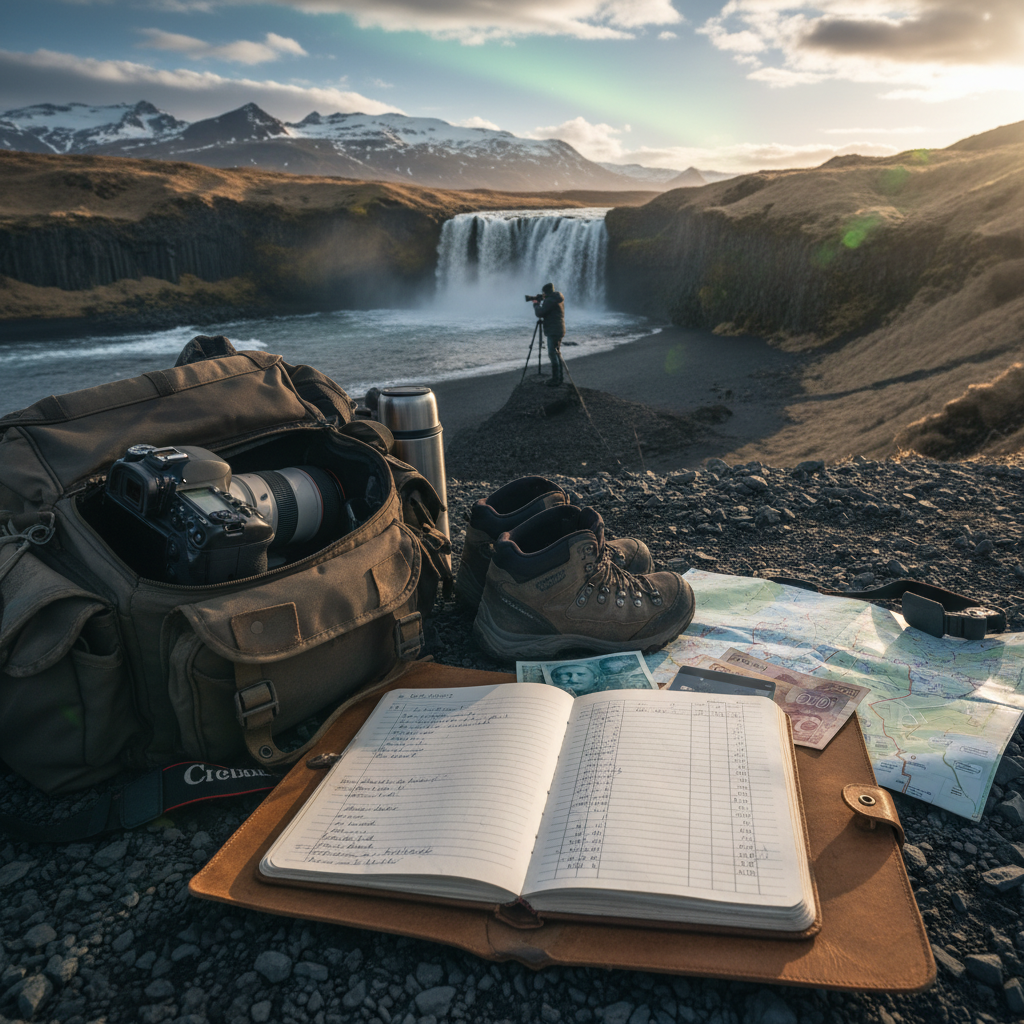
Introduction: Unveiling the Iceland Photography Trip Cost
Iceland, a land sculpted by fire and ice, stands as an unparalleled muse for photographers worldwide. From the dramatic basalt columns of Reynisfjara to the ethereal glow of the Northern Lights dancing above Jökulsárlón glacier lagoon, every corner offers a breathtaking frame. However, turning this photographic dream into a reality requires meticulous planning, especially when it comes to understanding the Iceland photography trip cost. It's no secret that Iceland can be an expensive destination, but with a well-researched budget, you can navigate its wonders without breaking the bank.
Budgeting isn't just about saving money; it's about enabling a successful and stress-free photography trip. Knowing your potential expenses upfront allows you to make informed decisions, prioritize experiences, and ensure you have the resources to capture every stunning moment. This comprehensive guide, meticulously crafted to be a 'people-first' resource for photographers, aligns with Google's guidance on creating helpful content. It will dive deep into every potential expense, from flights and accommodation to transportation, food, activities, and even gear considerations, offering detailed breakdowns and practical tips to help you accurately estimate your Iceland photography trip cost for 2026.
Understanding the Core Components of Your Iceland Photography Trip Cost
Before we delve into specific numbers, it's crucial to grasp the major expense categories that will define your overall Iceland photography trip cost. These typically include flights, accommodation, transportation, food and drink, guided activities, and miscellaneous items like gear insurance or connectivity. Each category presents opportunities for both significant spending and strategic savings, depending on your travel style and priorities.
Several factors will heavily influence your overall budget. These include the duration of your trip (a 7-day adventure will naturally cost less than a two-week exploration), your preferred travel style (are you a budget-conscious camper or do you prefer comfortable hotels?), the time of year you visit, and whether you're traveling solo, as a couple, or with a group. Seasonality, in particular, has a profound impact on prices. Peak season (June-August) brings warmer weather, longer daylight hours, and vibrant green landscapes, but also higher prices for flights, accommodation, and car rentals. Shoulder seasons (April-May, September-October) offer a balance of decent weather, fewer crowds, and often more attractive pricing, while winter (November-March) provides dramatic snowy scenes and prime Northern Lights viewing opportunities, but can come with its own set of challenges and costs (e.g., 4x4 rental, specialized tours). We also ensure this content adheres to fundamental SEO principles outlined in Google's SEO Starter Guide, making it easily discoverable for those seeking crucial budgeting information.
Flights & Accommodation: Major Iceland Photography Trip Expenses
Flights: Getting to the Land of Ice and Fire
Flights will likely be one of the largest single components of your Iceland travel expenses as photographers. Prices vary significantly based on your departure city, time of year, and how far in advance you book.
- Average Costs (2026):
- From North America (East Coast): Flight prices can vary significantly, often being more affordable during shoulder seasons compared to peak summer, when prices typically rise considerably. West Coast flights generally represent a higher investment.
- From Europe (Major Hubs): Similarly, flights can be more budget-friendly in the off-season, with prices increasing substantially in summer.
- Tips for Finding Cheaper Fares:
- Book in Advance: Aim to book at least 4-6 months out, especially for peak season travel.
- Be Flexible with Dates: Flying mid-week (Tuesday-Thursday) can often be cheaper than weekends.
- Consider Budget Airlines: Airlines like Play or Icelandair (though not strictly budget, they often have competitive fares) can offer good deals, but be mindful of baggage fees for camera gear.
- Set Price Alerts: Use tools like Google Flights or Skyscanner to monitor prices and jump on deals.
- Fly during Shoulder Season: As mentioned, April-May and September-October often present a sweet spot for both weather and prices.
Accommodation: Your Home Base for Photography Expeditions
Iceland offers a diverse range of lodging options, from cozy guesthouses to luxury hotels and practical campsites. Your choice here will significantly impact your budget.
- Options and Average Nightly Rates (2026):
- Hostels/Guesthouses with Dorms: Ideal for budget travelers, dorm beds in hostels or guesthouses can be found, with prices generally higher in the capital compared to outside Reykjavik.
- Private Rooms in Guesthouses/Farm Stays: A popular mid-range option, private rooms in guesthouses or farm stays often include breakfast, with rates varying based on location and amenities.
- Hotels (3-4 Star): Standard hotel rooms (3-4 Star) typically represent a higher investment, with luxury options easily exceeding this.
- Airbnb/Holiday Rentals: Offers flexibility, especially for groups or those wanting self-catering facilities. Prices vary widely but can be comparable to guesthouses.
- Camping: The most budget-friendly option, especially if you bring your own gear. Campsite fees are usually per person per night, plus potential charges for showers or electricity.
- Average Nightly Rates Across Regions (2026):
- Reykjavik: Generally the most expensive, with guesthouses and hotels representing a significant investment.
- South Coast: High demand due to popular attractions, leading to prices similar to or slightly less than Reykjavik.
- North Iceland / East Iceland / Westfjords: Often slightly more affordable, especially outside major towns like Akureyri.
- Strategies for Saving on Lodging:
- Camping: Embrace the campervan culture or traditional tent camping. Many campsites are well-equipped.
- Guesthouses with Kitchen Access: Self-catering can drastically cut down on food costs.
- Book Outside Peak Season: Shoulder seasons and winter often see lower accommodation rates.
- Book in Advance: Secure better prices and availability, especially for popular areas like the South Coast.
- Travel with a Group: Split the cost of larger Airbnbs or car rentals.
Transportation in Iceland: Getting to Those Iconic Photo Spots
For photographers, effective transportation is paramount to reach remote waterfalls, stunning landscapes, and hidden gems. While public transport exists, it's not ideal for a comprehensive photography trip.
Car Rental: Your Essential Photography Companion
Renting a car is almost essential for photographers who want the freedom to chase light, explore off-the-beaten-path locations, and carry their gear comfortably. This will be a significant portion of your Iceland photography trip cost.
- Vehicle Types and Costs (2026):
- 2WD (Compact/Mid-size): Suitable for the Ring Road during summer months. Expect daily rates to be more affordable in shoulder season compared to peak summer.
- 4x4 (SUV): Highly recommended, especially for winter travel, F-roads (only open in summer), or if you plan to venture beyond paved roads. Essential for accessing many of the most stunning locations. Rates are generally higher, significantly so in peak season or for larger models.
- Campervan: Combines accommodation and transport, often a cost-effective choice for budget travelers. Prices vary by size and amenities.
- Insurance & Protection: It is generally advisable to opt for comprehensive insurance. CDW (Collision Damage Waiver): Often included, but typically has a high deductible. SCDW (Super Collision Damage Waiver): Lowers the deductible significantly. Gravel Protection (GP): CRUCIAL. Many roads, even minor ones, are gravel, and windshield/paint damage is common. Highly recommended. Sand & Ash Protection (SAAP): Important if traveling in areas prone to strong winds and volcanic ash (e.g., South Coast). Tire Protection: Can be useful given the varied terrain. Expect to add a significant daily cost for a robust insurance package, depending on the rental company and coverage level.
Fuel Costs: A Significant Ongoing Expense
Fuel prices in Iceland are among the highest in Europe. Travelers should expect gasoline and diesel prices to be substantial, significantly impacting their overall budget. A typical 7-day Ring Road trip can consume a considerable amount of fuel, translating to a significant expense depending on a vehicle's fuel efficiency and driving distance. It is important to factor this in when budgeting for an Iceland photography trip.
Public Transport & Tours: Alternatives to Self-Driving
While less flexible for photographers, public buses serve major towns. However, they don't reach many of the iconic photo spots. Guided photography tours are an excellent alternative if you prefer not to drive, especially for specialized experiences like ice cave tours or Northern Lights chases. These tours handle transport, local expertise, and often provide specific photographic guidance. Expect multi-day photography tours to represent a significant investment, while day tours are typically priced per person.
Road Tolls and Parking Fees
Most roads in Iceland are free, but there is one significant toll tunnel, Vaðlaheiðargöng, in North Iceland (near Akureyri). The fee for the Vaðlaheiðargöng tunnel is a specific amount per pass. Parking fees are increasingly common at popular tourist sites, including many waterfalls like Seljalandsfoss and Skogafoss, as well as national parks. These typically involve a per-car fee per visit. Budget for accumulating parking fees over a typical trip.
Food & Drink: Fueling Your Photography Adventures
Food costs in Iceland can quickly add up if you primarily eat out. Strategic planning for meals is key to managing your budget.
Grocery Shopping: The Budget-Friendly Choice
For photographers aiming to minimize their Iceland photography trip cost, grocery shopping and self-catering are indispensable. Stores like Bónus and Krónan offer the most competitive prices. Stock up on essentials like bread, cheese, skyr (Icelandic yogurt), instant noodles, pasta, fruits, and vegetables. A week's worth of groceries for one person, cooking most meals, can represent a significant saving compared to dining out. This is especially feasible if you choose accommodations with kitchen access or opt for a campervan.
Restaurant Dining: When You Want to Indulge
Dining out in Iceland is an experience, but it comes at a price.
- Casual Dining: A basic meal (e.g., soup, sandwich, fish and chips, hot dog) at a casual eatery can represent a notable expense per person.
- Mid-Range Restaurants: Expect mid-range restaurants to typically involve a higher cost per person for a main course and a non-alcoholic drink.
- Fine Dining: A three-course meal in Reykjavik's upscale restaurants can easily represent a substantial investment per person, excluding drinks.
Snacks & Drinks: Essential for Long Days of Shooting
Long days spent chasing light and exploring Iceland's landscapes require a steady supply of snacks and hydration.
- Coffee: A regular coffee can be a notable expense.
- Bottled Water: While tap water in Iceland is excellent and free, if you prefer bottled, expect a cost per bottle. Carry a reusable bottle to refill.
- Snacks: Energy bars, fruit, and other small snacks bought at supermarkets are much cheaper than at gas stations or tourist shops. Budget for a week of various snacks.
Alcohol Prices
Alcohol is heavily taxed in Iceland. A pint of beer, a glass of wine, or cocktails at a bar can be very expensive. If you enjoy a drink, purchasing alcohol at duty-free upon arrival or at state-run Vínbúðin stores (which have limited hours and locations) is considerably cheaper than bars or restaurants. Budget accordingly, as this can significantly inflate your food and drink expenses.
Activities & Permits: Enhancing Your Iceland Photography Experience
Beyond the stunning natural scenery, many unique Icelandic experiences require booking and come with associated costs. These activities can greatly enhance your photographic portfolio.
Guided Tours: Specialized Adventures
For certain experiences, a guided tour is not only convenient but often necessary for safety and access.
- Glacier Hikes/Ice Cave Tours: These are seasonal (ice caves primarily in winter) and require certified guides and specialized equipment. Expect these tours to represent a significant investment for a half-day glacier hike or an ice cave tour. These are incredible opportunities to capture unique landscapes.
- Northern Lights Chases: While you can hunt for the aurora independently, guided tours offer expertise in forecasting and finding clear skies. Costs for these tours are typically per person.
- Whale Watching/Puffin Tours: Depending on the season and departure point (e.g., Reykjavik, Húsavík), these tours can represent a notable cost per person.
- Snorkeling/Diving Silfra: Snorkeling or diving Silfra is an incredible experience between tectonic plates, but represents a significant cost.
National Park Fees & Site Access
Most natural attractions in Iceland are free to access. However, some popular sites, particularly those with developed infrastructure, charge parking fees (as mentioned in the transportation section) or a small entrance fee for maintenance. For instance, Kerið Crater has a modest entrance fee. Travelers should check the specific site's official website before visiting. National parks like Thingvellir generally do not charge entrance fees, but parking fees may apply.
Hot Springs & Spas: Relaxation and Unique Photo Ops
Iceland's geothermal pools are a cultural staple and offer unique photographic opportunities, especially in misty conditions.
- Blue Lagoon: The most famous, but also the most expensive. The Blue Lagoon, the most famous, also represents a significant investment per person, depending on the package and time of day. Booking months in advance is essential.
- Sky Lagoon: A newer, luxurious option near Reykjavik, Sky Lagoon typically represents a notable cost.
- Myvatn Nature Baths: The "Blue Lagoon of the North," Myvatn Nature Baths, offers a similar experience at a slightly lower price point.
- Local Swimming Pools: Many towns have public geothermal pools, offering an authentic and budget-friendly experience.
Consider which experience aligns with your budget and photographic goals.
Special Permits for Drone Photography or Commercial Shoots
While general drone use for recreational purposes is permitted in many areas (with strict rules regarding proximity to airports, national parks, and people), certain areas or commercial shoots may require special permits from the Icelandic Transport Authority (ICETRA) or specific landowners/agencies. It is important to research local regulations thoroughly before flying a drone. Commercial photography or film permits can be complex and costly, so factor this in if applicable.
Photography Gear & Miscellaneous Costs for Your Iceland Trip
Beyond the fundamental travel expenses, photographers have specific needs and potential additional costs.
Equipment Considerations: What to Bring and What to Rent
Your existing gear forms the foundation, but Iceland's unique conditions might warrant additions.
- Essential Gear: DSLR/Mirrorless camera, wide-angle lens (14-24mm for landscapes), mid-range zoom (24-70mm), sturdy tripod, extra batteries, plenty of memory cards, waterproof camera bag, lens cloths, and filters (ND, CPL).
- Specialized Items:
- Telephoto Lens (e.g., 100-400mm): Highly recommended for wildlife (puffins, seals), distant landscapes, or capturing details of glaciers.
- Drone: If you plan to fly, ensure you understand Icelandic regulations.
- Astro-photography Lens (e.g., f/2.8 or wider): For capturing the Northern Lights effectively.
- Rental Costs: If you don't own specialized lenses, consider renting them from a local camera shop in your home country or in Reykjavik. Rental fees can represent a notable weekly cost per lens, depending on the item. This can be a cost-effective way to get specific shots without a huge upfront investment.
- Protective Gear: Waterproof outer layers for yourself and your camera are non-negotiable. Rain covers for your camera, lens hoods, and microfiber cloths are vital.
Insurance: Protecting Your Investment
Don't overlook insurance; it's a small cost that can save you immense grief.
- Travel Insurance: Essential for medical emergencies, trip cancellations, or lost luggage. Policies vary, but expect this to be a notable cost for a typical trip.
- Photography Gear Insurance: Your home insurance might cover some gear, but often has limitations for international travel or high-value items. Consider a dedicated policy for your camera equipment, especially if you're carrying expensive lenses and bodies. This can represent a notable cost for a short-term policy or be an annual rider on your existing insurance.
Connectivity: Staying Connected on the Go
Staying connected for navigation, weather updates, and sharing your stunning shots is important.
- Local SIM Card: Providers like Síminn or Vodafone offer prepaid SIM cards with data plans. A data plan for a week can represent a modest cost.
- Portable Wi-Fi Hotspot: Some car rental companies offer these, or you can rent one independently. Expect this to be a daily cost.
- Roaming: Check your home provider's international roaming rates; they can be very expensive.
Souvenirs & Contingency: Budgeting for the Unexpected
It is advisable to allocate a buffer in your budget for unexpected expenses or emergencies. A good rule of thumb is 10-many your total estimated costs. Additionally, you'll likely want to bring back a memento. Souvenirs, from Icelandic wool sweaters (Lopapeysa) to local crafts, can range from modest to several hundred dollars.
Sample Iceland Photography Trip Budgets (2026)
To help you visualize your potential Iceland photography trip cost, here are three sample budgets for a 7-day trip in 2026, excluding international flights, based on different travel styles. These are estimates and can fluctuate based on booking timing, specific choices, and unforeseen circumstances.
Budget Traveler: ~$1,200 - $1,800 USD per person (excluding flights)
- Accommodation: Camping or hostel dorms (typically the most budget-friendly options)
- Transportation: Small 2WD car rental (shared), basic insurance, fuel (a modest to moderate cost per person, assuming two people)
- Food & Drink: Almost entirely self-catering from grocery stores, minimal dining out (a significant saving compared to dining out)
- Activities: Mostly free natural attractions, 1-2 budget-friendly hot springs/local pools (a relatively low cost)
- Miscellaneous: Basic travel insurance, local SIM, parking (a modest cost)
- Contingency: (a recommended buffer for unexpected expenses)
This budget focuses on maximizing access to free natural wonders and minimizing paid experiences, perfect for those who prioritize raw landscape photography and are comfortable with a more rustic travel style. Our All Maps collection can help you find countless free photo opportunities.
Mid-Range Traveler: ~$2,000 - $3,500 USD per person (excluding flights)
- Accommodation: Guesthouses/farm stays with private rooms, some Airbnbs (a moderate investment)
- Transportation: Mid-size 4x4 car rental (shared), comprehensive insurance, fuel (a substantial cost per person, assuming two people)
- Food & Drink: Mix of self-catering and casual restaurant meals, occasional nice dinner (a balanced expense)
- Activities: 1-2 major guided tours (e.g., glacier hike, ice cave), Blue Lagoon/Sky Lagoon, some paid hot springs (a significant portion of the budget)
- Miscellaneous: Travel & basic gear insurance, local SIM, parking, some souvenirs (a moderate additional cost)
- Contingency: (a recommended buffer for unexpected expenses)
This budget allows for a comfortable balance of independence, specific guided experiences, and a taste of local cuisine, providing a well-rounded Iceland photography trip cost.
Luxury Traveler: ~$4,000 - $7,000+ USD per person (excluding flights)
- Accommodation: Boutique hotels, high-end Airbnbs, luxury lodges (a premium investment)
- Transportation: Premium 4x4 rental or private driver/guide, full insurance, fuel (a high cost per person)
- Food & Drink: Predominantly dining out at mid-range to fine dining restaurants, drinks (a substantial daily expense)
- Activities: Multiple specialized photography tours (e.g., private Northern Lights tour, helicopter tour, multi-day photography workshop), premium spa experiences (a significant luxury expense)
- Miscellaneous: Premium travel & gear insurance, high-end souvenirs, all connectivity needs (a considerable additional cost)
- Contingency: (a recommended buffer for unexpected expenses)
This budget caters to those seeking a premium experience with maximum comfort, exclusive access, and specialized photographic guidance, ensuring every detail of their Iceland photography trip cost is covered for an unforgettable journey.
Remember, these are estimates. Customizing your budget based on your priorities and desired experiences is key. Do you dream of capturing iconic waterfalls or are you focused on the rugged beauty of the Westfjords? Your choices will directly impact your budget.
Tips for Saving Money on Your Iceland Photography Trip
Even with a detailed budget, every photographer appreciates strategies for making their travel funds go further without compromising on the photographic experience.
- Travel During the Shoulder Season: As previously mentioned, April-May and September-October offer a fantastic balance of fewer crowds, decent weather, and lower prices for flights, accommodation, and car rentals. You might still catch the Northern Lights in early spring or late fall!
- Book Flights and Accommodation Well in Advance: The earlier you book, especially for popular times, the better the prices and availability you'll secure. This applies to car rentals and popular tours too.
- Cook Your Own Meals Whenever Possible: This is arguably the biggest money-saver. Utilize grocery stores like Bónus or Krónan. Pack a portable stove if camping, or choose guesthouses/Airbnbs with kitchen facilities.
- Consider a Campervan for Combined Transport and Lodging: For solo travelers or couples, a campervan can be a highly efficient way to travel, covering both your accommodation and transportation costs. Plus, you get to wake up to incredible views!
- Utilize Free Natural Attractions and Hiking Trails: Iceland is abundant with free, breathtaking natural wonders. Many of the most famous waterfalls, black sand beaches, and hiking trails require no entrance fee (though parking might be extra). Our Iceland Photo Maps can help you discover these.
- Bring a Reusable Water Bottle: Icelandic tap water is some of the purest in the world. Save money and plastic by refilling your bottle.
- Limit Alcohol Consumption: As discussed, alcohol is expensive. Save it for special occasions or purchase at duty-free.
- Travel with a Companion or Group: Sharing the costs of car rental, fuel, and accommodation can significantly reduce individual expenses.
- Pack Smart to Avoid Baggage Fees: If flying with a budget airline, be mindful of their baggage policies and fees for camera gear. Consolidate where possible.
- Monitor Weather Forecasts: Unpredictable weather can lead to unexpected expenses (e.g., needing to book last-minute accommodation if roads close). Stay informed to adjust plans proactively.
Conclusion: Making Your Iceland Photography Dream a Reality
Planning an Iceland photography trip is an exciting endeavor, and understanding the associated costs is the first crucial step toward making it a reality. By meticulously breaking down the Iceland photography trip cost, from flights and accommodation to transportation, food, activities, and gear, we've provided a comprehensive framework for your budgeting needs. We hope this detailed guide empowers you to plan a successful and stress-free adventure.
Iceland offers unparalleled photographic opportunities that truly justify the investment. With careful planning, strategic savings, and a clear understanding of your budget, you can fully immerse yourself in its dramatic beauty and return with a portfolio of stunning images and memories to last a lifetime. Furthermore, we've structured this post for optimal readability and accessibility, following principles like those detailed in W3C accessibility fundamentals, ensuring all photographers can easily digest this essential information.
Frequently Asked Questions
What is a realistic budget for a 7-day Iceland photography trip in 2026?
For a 7-day Iceland photography trip in 2026, a realistic budget (excluding international flights) can range significantly based on your travel style. A budget traveler focusing on camping and self-catering might spend a lower range of costs. A mid-range traveler staying in guesthouses, renting a 4x4, and enjoying a few guided tours could expect a moderate to high range of costs. For a luxury experience with hotels, fine dining, and specialized tours, costs could easily be at the higher end of the spectrum per person.
Is it cheaper to visit Iceland for photography in summer or winter?
Generally, it is cheaper to visit Iceland during the shoulder seasons (April-May, September-October) or winter (November-March) compared to the peak summer months (June-August). Flights and accommodation tend to be significantly more expensive in summer due to high demand. While winter might require a more expensive 4x4 rental and some specialized tours (like ice caves), the overall savings on flights and lodging can often make it a more budget-friendly option, especially if you're prepared for the colder weather and shorter daylight hours.
What are the biggest unexpected costs photographers should budget for in Iceland?
Photographers should specifically budget for high fuel costs, which can quickly add up over a Ring Road trip. Secondly, comprehensive car rental insurance, especially gravel and sand/ash protection, is crucial and adds significantly to the daily rental rate. Lastly, parking fees at popular natural attractions are increasingly common and can accumulate over a week-long trip. Unexpected costs can also arise from needing specialized gear (or rentals) for specific shots, or higher-than-anticipated food and drink expenses if you eat out frequently.
Can I save money on an Iceland photography trip by not renting a car?
While not renting a car can save on rental fees, insurance, and fuel, it often leads to other expenses or significant limitations for photographers. Relying solely on public transport will restrict access to many remote and iconic photography locations. Opting for guided multi-day photography tours or numerous day tours can be very convenient, but these often cost more than a self-drive trip, especially for two or more people. For photographers seeking flexibility and access to the best light at various locations, a car rental (or campervan) is often the most practical and cost-effective solution in the long run, despite its upfront costs.
Ready to plan your epic photography adventure? Explore our Iceland Photo Maps to discover the best locations and create your perfect itinerary!