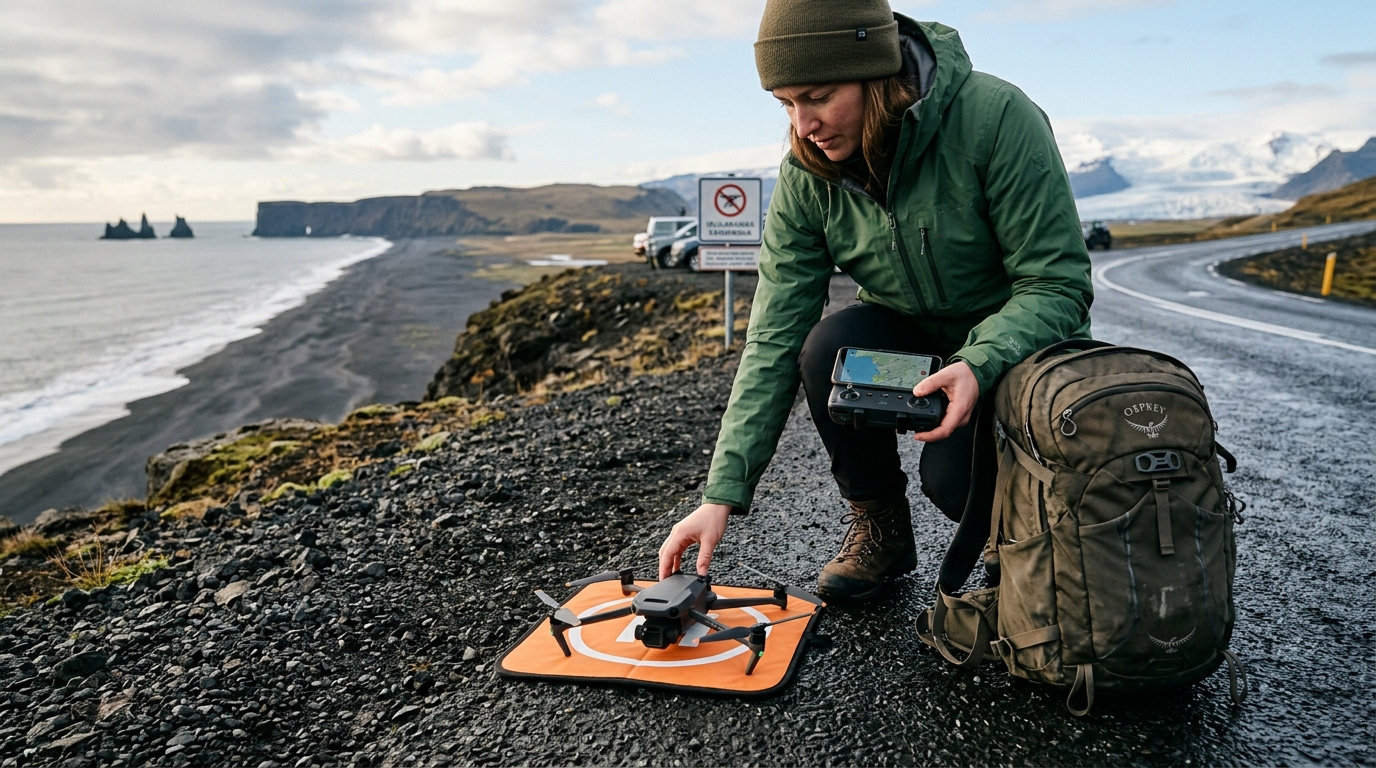
Introduction: Soaring Responsibly Over Iceland's Landscapes
Iceland, a land sculpted by fire and ice, offers a photographic canvas unlike any other on Earth. From the dramatic cliffs of the South Coast to the ethereal glaciers of the Highlands, its raw beauty beckons photographers worldwide. For many, capturing these awe-inspiring vistas from an aerial perspective with a drone is the ultimate goal. The unique vantage point offered by drones can transform a stunning landscape into an unforgettable masterpiece, providing scale, context, and breathtaking compositions that ground-level shots simply cannot achieve. However, the allure of drone photography in Iceland's pristine, often fragile, environment comes with significant responsibilities. To ensure the preservation of these natural wonders, the safety of both visitors and wildlife, and to respect local communities, a robust framework of regulations is in place. For any photographer planning to deploy a drone in this magnificent country in 2026, understanding and adhering to **Iceland drone laws for photographers** is not just a recommendation—it's paramount. This comprehensive guide will delve into the essential regulations, highlight critical no-fly zones, and provide practical tips to help you navigate Iceland's airspace legally, ethically, and safely, ensuring your aerial photography journey is as smooth and rewarding as the landscapes themselves.Understanding Iceland's Drone Regulatory Framework for Photographers
Navigating the legalities of drone operation can often feel complex, but for photographers heading to Iceland, a clear understanding of the regulatory landscape is crucial. The primary authority responsible for overseeing aviation, including drones, in Iceland is the Icelandic Transport Authority, known locally as Samgöngustofa. This body sets forth the specific rules and guidelines that govern drone flights across the country. Crucially, Iceland's drone laws are not developed in isolation. As a member of the European Economic Area (EEA), Iceland aligns its drone regulations with the broader framework established by the European Union Aviation Safety Agency (EASA). This means that many of the core principles and classifications you might be familiar with from other European countries will apply here, making the transition smoother for pilots already accustomed to EASA standards. For photographers, this harmonization simplifies things considerably, as common categories for drone operations (Open, Specific, Certified) and pilot competency requirements largely mirror those across Europe. The Icelandic Transport Authority publishes detailed information and updates on its website, which serves as the definitive source for current regulations (Samgöngustofa). Staying informed about these current rules is not just a matter of compliance; it's a commitment to responsible photography. Regulations can evolve, and what was permissible last year might have changed for 2026. Therefore, before and during your trip, it's essential to consult official sources to ensure you have the most up-to-date information on **Iceland drone laws for photographers**. This proactive approach helps prevent unintentional breaches of law, which can lead to fines, confiscation of equipment, or even legal action, not to mention tarnishing the reputation of drone photographers as a whole.Key Drone Laws and Regulations in Iceland You Must Know
To fly your drone legally and responsibly in Iceland, several fundamental rules must be strictly observed. These regulations are designed to ensure safety, privacy, and environmental protection.- Weight Categories and Their Implications: Drone regulations are often tiered based on the drone's weight.
- Drones under 250g (e.g., DJI Mini series): These are often subject to fewer restrictions, particularly regarding pilot competency requirements. However, if they are equipped with a camera (which most photography drones are), they still require operator registration. You must still adhere to all general flight rules like altitude limits, no-fly zones, and privacy.
- Drones 250g and heavier: These drones fall under stricter EASA Open category regulations, requiring both operator registration and pilot competency certificates (A1/A3 or A2, depending on the drone's class and intended operation).
- Maximum Flight Altitude Restrictions: In Iceland, drones are generally restricted to a maximum flight altitude of 120 meters (approximately 400 feet) above the ground or water (Samgöngustofa). This limit is critical for avoiding conflicts with manned aircraft and ensuring safe airspace management. Always be aware of your drone's altitude relative to the terrain, especially in areas with varying elevations.
- Maintaining Visual Line of Sight (VLOS): You must maintain direct visual line of sight with your drone at all times. This means you should be able to see your drone with your own eyes, without the aid of binoculars or other devices. Flying beyond VLOS is illegal and extremely dangerous, as it prevents you from reacting to unforeseen obstacles or situations. The maximum distance you can fly while maintaining VLOS will vary depending on weather conditions, drone size, and your eyesight, but typically it's no more than 500 meters.
- Minimum Distances from People, Buildings, Vehicles, and Public Roads:
- People: Drones are generally prohibited from flying over uninvolved people. Specific distances apply depending on your drone's weight and class, but a general rule of thumb is to maintain a safe distance (e.g., 30 meters horizontally from uninvolved people for C1 drones, or 5 meters in 'low speed mode' for C0 drones) (EASA).
- Buildings and Vehicles: Avoid flying close to buildings or moving vehicles, especially on public roads, to prevent accidents and ensure privacy.
- Public Roads: Flying over public roads can be particularly hazardous due to traffic. It's often restricted or requires special permits, especially if you intend to film traffic or operate close to it.
- Restrictions on Night Flying and Flying Over Private Property: Night Flying: General Open category rules often restrict night flying unless specific conditions are met (e.g., drone equipped with green flashing lights) and local regulations permit it. Given Iceland's extended daylight hours in summer and extreme darkness in winter, this is a significant consideration for photographers. Private Property: You do not have an automatic right to fly over private property without the owner's permission. often be mindful of property boundaries and seek permission if your flight path will take you over private land, even if you are launching from public land. Respect for privacy is paramount.
Identifying Drone No-Fly Zones and Restricted Areas in Iceland
While Iceland offers countless stunning locations for aerial photography, many areas are designated as **drone no-fly zones Iceland** due to environmental protection, safety concerns, or local ordinances. Ignoring these restrictions can lead to severe penalties and harm to fragile ecosystems.- National Parks and Protected Nature Reserves: Iceland's natural beauty is safeguarded by numerous national parks and protected areas, where drone use is heavily restricted or outright banned to protect wildlife, geological formations, and the visitor experience. Key examples include: Vatnajökull National Park: Europe's largest national park, encompassing glaciers, volcanoes, and vast wilderness, prohibits drone flights without specific permits from the park authorities. This includes popular areas like Jökulsárlón Glacier Lagoon and Skaftafell (Vatnajökull National Park). Þingvellir National Park: A UNESCO World Heritage site of immense historical and geological significance, drone flights are generally not permitted. Snæfellsjökull National Park: Located on the Snæfellsnes Peninsula, known for its glacier-capped volcano and diverse landscapes, also has strict drone regulations. For detailed information on drone use in protected areas, consult the Environment Agency of Iceland (Umhverfisstofnun). often check the specific rules for each park or reserve you plan to visit.
- Specific Tourist Attractions with Local Drone Bans: Beyond national parks, many popular tourist sites have implemented their own local drone bans due to high visitor traffic, safety concerns, or to prevent disturbance. These can include: Dyrhólaey: The iconic arch and black sand beaches near Vik are a nesting ground for numerous bird species, especially puffins. Drone flights are strictly forbidden to protect these sensitive bird colonies. Skógafoss and Seljalandsfoss: While some areas around these waterfalls might seem open, local regulations and high visitor numbers often make drone flights impractical or prohibited. Jökulsárlón Glacier Lagoon: While part of Vatnajökull National Park, it's worth noting specifically due to its immense popularity. Drone flights are generally not allowed without special permission. Reynisfjara Black Sand Beach: High winds and numerous visitors often lead to local restrictions or make flying extremely risky. It is often best to look for signage at the location or check official websites before flying.
- Proximity to Airports, Airfields, and Military Installations: For obvious safety reasons, flying drones near airports, airfields, and military installations is strictly prohibited. In Iceland, a general rule of a 5km radius around airports applies, but this can extend further depending on the specific airspace class and traffic. often check aviation charts or official drone apps for precise no-fly zones around these critical infrastructures.
- Restrictions in Populated Areas and Over Public Gatherings: Flying drones over cities, towns, or any public gathering (festivals, concerts, protests) is generally restricted or requires special permits. The risk of injury to people or damage to property is significantly higher in such environments. often maintain a safe distance from crowds and respect urban privacy.
- Utilizing Official Maps and Apps to Identify Restricted Airspace: The most reliable way to identify current drone no-fly zones and restricted areas is by consulting official resources. The Icelandic Transport Authority's website (Samgöngustofa) provides maps or links to relevant mapping tools. Additionally, many drone manufacturers' apps (e.g., DJI FlySafe) integrate geofencing data that reflects current restrictions. However, these apps should be used as a supplementary tool, not a primary source, as local regulations can change faster than app updates. Always cross-reference with official Icelandic government sources. For photographers planning their trips, our Iceland Photo Map Locations can help identify areas of interest, but always verify drone legality separately.
Permits, Registration, and Insurance: Navigating Iceland's Drone Requirements
Beyond understanding where you can and cannot fly, there are administrative steps that most drone photographers must complete before their drone takes flight in Iceland. These requirements are in place to ensure accountability, pilot competency, and financial protection.- Mandatory Drone Registration for Most Camera-Equipped Drones and Those Over 250g: If your drone is equipped with a camera (which is virtually all photography drones) or weighs 250 grams or more, you are legally required to register as a drone operator with the Icelandic Transport Authority (Samgöngustofa). This registration provides you with an Operator ID, which must be clearly affixed to your drone. This is an EASA-wide requirement, meaning if you've registered in another EASA member state, your Operator ID is generally valid in Iceland. However, it is prudent to confirm local specificities.
- The Requirement for an Operator ID and Pilot Competency Certificates (A1/A3, A2):
- Operator ID: As mentioned, this is mandatory. It identifies you as the responsible party for your drone.
- Pilot Competency Certificates: For drones weighing 250g or more, you will need to hold a valid EASA pilot competency certificate.
- A1/A3 Certificate: This "Open A1/A3" certificate is the basic requirement for most recreational and low-risk professional drone operations in the Open category. It covers drones under 250g (A1) and drones up to 25kg flown far from people (A3). This is typically obtained by completing an online training course and passing an online exam.
- A2 Certificate: If you intend to fly closer to uninvolved people with C2 class drones (e.g., within 30 meters horizontally), you will need the "Open A2" certificate. This requires additional theoretical knowledge and a self-practical training declaration.
- Understanding Third-Party Liability Insurance Requirements: Having adequate third-party liability insurance is not just a recommendation; it's a legal requirement in Iceland for drones over a certain weight (typically 250g). This insurance protects you financially in case your drone causes damage to property or injury to a person. The minimum coverage amount is usually specified by law, so ensure your policy meets Icelandic requirements. Many standard travel insurance policies do not cover drone-related incidents, so you may need specialized drone insurance. Verify your policy's coverage for international drone operations before your trip.
- When and How to Apply for Special Permits for Commercial Operations or Restricted Areas: Commercial Operations: If your drone photography in Iceland is for commercial purposes (e.g., selling footage, client work, promotional material for a business), you may fall under the "Specific" category of EASA regulations. This typically requires a more detailed operational authorization from the Icelandic Transport Authority. The process involves submitting an operational risk assessment (SORA) and demonstrating compliance with more stringent safety measures. Restricted Areas: Even if you are flying recreationally, operating in certain restricted areas (e.g., specific national parks where drone flight is generally prohibited) may be possible with a special permit. Obtaining such permits is usually a lengthy process, requiring detailed flight plans, justification, and adherence to specific conditions set by the relevant authorities (e.g., park rangers, landowners). It is essential to apply well in advance of your trip, as approval is not intended. It is essential to contact Samgöngustofa or the local authority managing the specific area for permit application procedures and requirements.
Practical Tips for Flying Your Drone Safely and Ethically in Iceland
Where to fly: once you know the rules, see our guide to the best Iceland drone photography spots and gear for legal launch points and aerial compositions.
Beyond the legal requirements, successful and responsible drone photography in Iceland demands practical considerations tailored to the country's unique environment. These **flying drone in Iceland tips** will help you capture stunning shots while respecting the land and its inhabitants.- Essential Pre-Flight Checks and Equipment Preparation for Icelandic Conditions: Weather Check: Iceland's weather is notoriously unpredictable. often check multiple weather forecasts (wind speed, precipitation, temperature) immediately before flying. rarely fly in high winds (generally above 8-10 m/s or 18-22 mph, but check your drone's specific limits), heavy rain, or fog. Equipment Inspection: Before every flight, thoroughly inspect your drone. Check propellers for cracks, motors for debris, battery levels, and camera lens for cleanliness. Ensure your controller is fully charged and calibrated. Firmware Updates: Perform any necessary firmware updates before your trip, as internet access can be spotty in remote areas. Carry Spares: Bring extra propellers, a charging hub, and multiple batteries. A portable power bank for your controller and phone can also be invaluable. Landing Pad: A small, portable landing pad can protect your drone from dust, sand, snow, and wet ground, common elements in Iceland.
- Managing Batteries in Cold Weather and High Winds: Cold Weather: Drone batteries perform less efficiently in cold temperatures, leading to reduced flight times and potential power drops. Keep batteries warm (e.g., in an inside pocket) until just before flight. Once in the drone, allow a minute or two for the battery to warm up during a gentle hover before aggressive maneuvers. High Winds: Flying in wind drains batteries much faster as the drone constantly fights to maintain position. often leave a significant buffer for return. Strong gusts can also destabilize lighter drones, risking a crash. often monitor your battery percentage closely and plan your return early.
- Respecting Wildlife, Especially Nesting Birds and Marine Life: Iceland is a haven for diverse wildlife, much of which is sensitive to disturbance. Nesting Birds: Many areas, particularly coastal cliffs like Dyrhólaey or Látrabjarg, are critical nesting sites for seabirds (puffins, kittiwakes, gannets). Drones can be perceived as predators, causing birds to abandon nests or chicks. rarely fly near nesting colonies. Maintain a significant distance and observe from afar. Marine Life: Whales, seals, and other marine mammals can be startled or stressed by drones flying overhead. Avoid flying low over water where marine life is present. General Wildlife: Be mindful of reindeer, Icelandic horses, sheep, and other animals. Do not harass or disturb them with your drone. If your drone causes any animal distress, land it immediately.
- Minimizing Disturbance to Other Tourists and Locals:
- Noise Pollution: Drones, especially larger ones, can be noisy. At popular tourist spots, the sound can significantly detract from others' experience of nature's tranquility. Choose less crowded times or locations for drone flights.
- Privacy: Be extremely conscious of people's privacy. Do not fly directly over individuals or groups without their explicit permission. Avoid filming private property without consent.
- Right of Way: Remember that people enjoying the landscape have priority. If your drone is causing annoyance, land it.
- Best Practices for Capturing Stunning Aerial Photography While Adhering to Regulations:
- Plan Your Shots: Before launching, scout the area. Identify potential compositions, obstacles, and safe take-off/landing zones. Use apps like PhotoPills to plan for light and sun position.
- Use Filters: ND (Neutral Density) and CPL (Circular Polarizer) filters are essential for drone photography in Iceland's often bright conditions, allowing for slower shutter speeds and reduced glare.
- Manual Settings: Learn to fly and shoot in manual mode. This gives you maximum control over exposure, white balance, and focus, crucial for professional-looking results.
- Composition: Utilize leading lines (rivers, roads), natural frames (cliffs, arches), and the rule of thirds. Look for patterns and textures from above. Consider the scale of the landscape by including small elements like cars or people (with permission) to provide a sense of grandeur.
- Post-Processing: Raw files offer the most flexibility in post-processing. Learn to edit your aerial photos to enhance colors, contrast, and sharpness, bringing out the true magic of Iceland.
Staying Updated: Monitoring Iceland Drone Regulations Updates for 2026
The world of drone regulations is dynamic, with laws and guidelines frequently updated to keep pace with technological advancements, safety concerns, and environmental protection efforts. This is particularly true in a rapidly evolving sector like drone operation. For photographers, this means that the rules you learned last year might not be entirely applicable in 2026. The paramount importance of checking for the latest regulations cannot be overstated, both before you embark on your trip to Iceland and even during your stay. Local ordinances or specific site restrictions can be introduced with little notice, especially in popular tourist areas or sensitive natural habitats. A quick check before flying can save you from legal trouble, fines, and the potential confiscation of your expensive equipment. Reliable sources for current information are crucial. The definitive source for all drone-related regulations in Iceland is the Icelandic Transport Authority (Samgöngustofa). Their official website (Samgöngustofa) provides the most accurate and up-to-date legal framework. As Iceland's regulations largely align with European standards, the European Union Aviation Safety Agency (EASA) website (EASA) is also a valuable resource for understanding the broader context of pilot competency and drone classifications. Additionally, for rules concerning protected natural areas, the Environment Agency of Iceland (Umhverfisstofnun) provides specific guidelines. Always prioritize information directly from these official governmental and aviation authorities over third-party travel blogs or forums, which may not always be current. Furthermore, it's wise to anticipate potential future changes. The trend globally is towards stricter enforcement and more detailed regulations, especially concerning privacy, environmental impact, and safety in shared airspace. As technology advances, we might see new categories, improved geofencing capabilities, or even real-time air traffic management systems for drones. Harmonization with international standards continues to be a goal for many countries, including Iceland, aiming for a consistent and predictable regulatory environment for drone operators. Subscribing to newsletters from Samgöngustofa or EASA can help you stay ahead of the curve. For general tips on maximizing your photography experience in Iceland, explore our guides, but always verify drone-specific rules separately.Conclusion: Elevate Your Photography, Respect the Land
Iceland offers an unparalleled backdrop for drone photography, promising images that transcend the ordinary. The ability to capture its majestic glaciers, volcanic landscapes, and dramatic coastlines from above is a privilege that comes with a profound responsibility. By thoroughly understanding and meticulously adhering to **Iceland drone laws for photographers** in 2026, you not only protect yourself from legal repercussions but, more importantly, contribute to the preservation of Iceland's fragile ecosystems and the respectful enjoyment of its natural wonders by all. Remember the key takeaways: register your drone and yourself as an operator, obtain the necessary pilot competency certificates, secure adequate insurance, respect altitude limits and no-fly zones, maintain visual line of sight, and always prioritize safety and privacy. Be especially mindful of wildlife and fellow travelers. Iceland's weather is a constant factor, demanding careful planning and conservative flight decisions. Embrace the challenge of ethical aerial photography. Plan your shots, prepare your gear for the elements, and always put respect for the environment and local regulations first. The rewards are immeasurable: not only will you return home with breathtaking images that inspire awe, but you'll also have the satisfaction of knowing you've explored this incredible country responsibly, leaving no trace but your stunning photographs. Elevate your photography, respect the land, and let Iceland's unparalleled beauty unfold beneath your lens.Frequently Asked Questions
Do I need to register my drone to fly in Iceland in 2026?
Yes, if your drone is equipped with a camera (which most photography drones are) or weighs 250 grams or more, you are legally required to register as a drone operator with the Icelandic Transport Authority (Samgöngustofa). This applies to both recreational and commercial operators and is in line with EASA regulations. You will receive an Operator ID that must be visibly affixed to your drone.What are the main no-fly zones for drones in Iceland, especially for photographers?
Key drone no-fly zones and restricted areas in Iceland include all National Parks (e.g., Vatnajökull, Þingvellir, Snæfellsjökull) and many protected nature reserves where drone use is heavily restricted or banned. Specific popular tourist attractions like Dyrhólaey (due to bird nesting), Jökulsárlón, and areas around major waterfalls often have local bans. Additionally, a 5km radius around airports and airfields, and generally all populated areas and public gatherings, are restricted. Always check official maps from Samgöngustofa and local signage, and consult the Environment Agency of Iceland for protected areas (Umhverfisstofnun).Can I fly my drone over popular tourist attractions like waterfalls or black sand beaches?
Generally, you cannot fly your drone over many popular tourist attractions, especially those within National Parks or sensitive wildlife areas. Locations like Dyrhólaey, Jökulsárlón, and often areas immediately surrounding major waterfalls such as Skógafoss or Seljalandsfoss, have specific local drone bans due to high visitor traffic, environmental protection, or nesting bird colonies. Always check for local signage, park regulations, and official Samgöngustofa maps before attempting to fly at any popular site.What is the maximum altitude I can fly my drone in Iceland?
In Iceland, drones are generally restricted to a maximum flight altitude of 120 meters (approximately 400 feet) above the ground or water. This limit is crucial for ensuring safety and avoiding conflicts with manned aircraft. Always be aware of your drone's altitude relative to the terrain, particularly in areas with varied elevations, and ensure you maintain visual line of sight.Are there any specific weather considerations for flying a drone safely in Iceland?
Absolutely. Iceland's weather is highly unpredictable and can change rapidly. Key considerations include:- High Winds: Iceland is very windy. rarely fly in winds exceeding your drone's specified limits (typically 8-10 m/s or 18-22 mph for most consumer drones) as this can lead to loss of control, battery drain, or crashes.
- Cold Temperatures: Batteries perform less efficiently in cold weather, reducing flight time. Keep batteries warm until immediately before flight.
- Precipitation: Avoid flying in rain, snow, or fog, as moisture can damage electronics and visibility can be severely impaired.
- Volcanic Ash: In areas near active volcanoes, be aware of volcanic ash, which can damage drone motors and electronics.