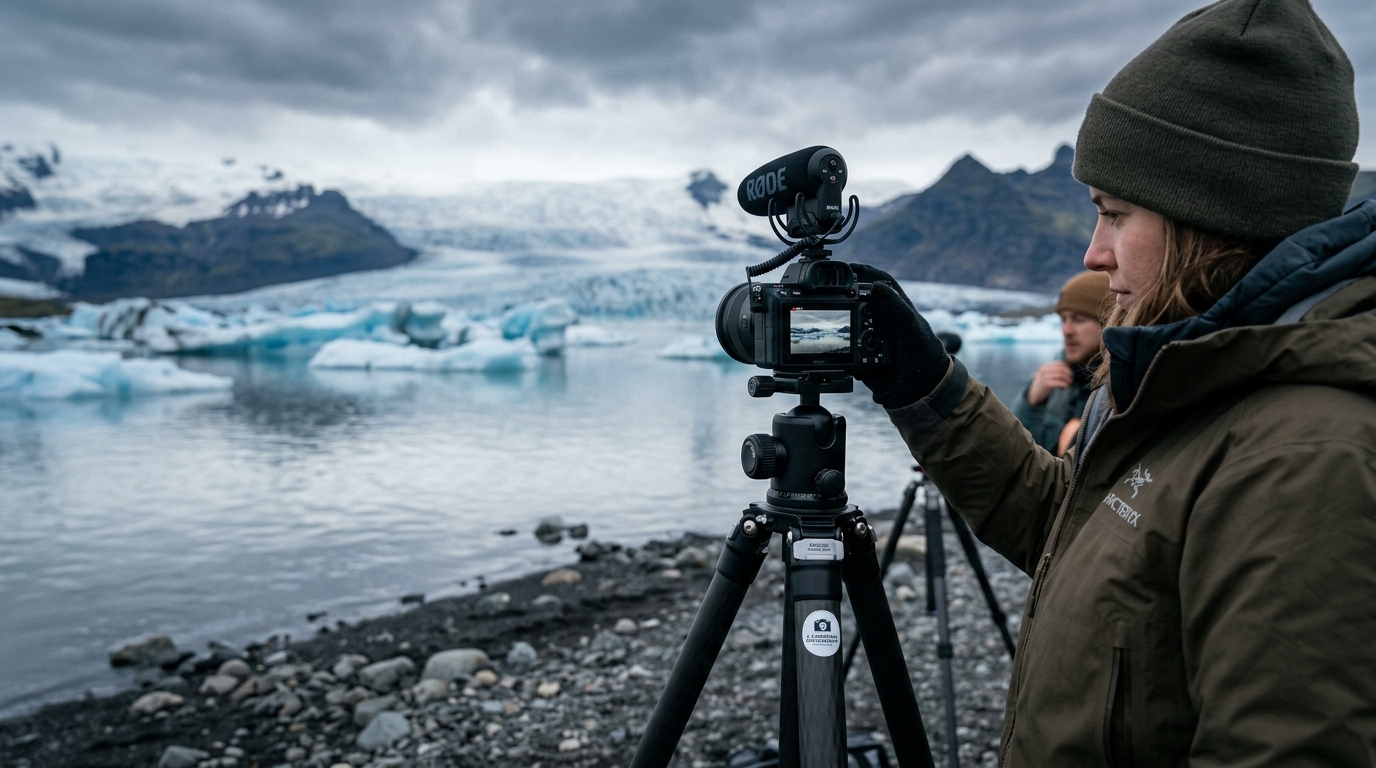
Iceland Photography Video Guides: Your Visual Journey to Capturing Stunning Landscapes
Iceland, a land forged by fire and ice, presents an unparalleled canvas for photographers. Its dramatic glaciers, roaring waterfalls, black sand beaches, and vibrant green moss-covered lava fields offer endless opportunities for breathtaking images. However, capturing the true essence of this dynamic landscape presents unique challenges, from rapidly changing weather to understanding optimal light and navigating remote terrain. For the discerning photographer, static maps and written guides, while valuable, often fall short of conveying the real-time, immersive experience needed to master these scenes. This is precisely where high-quality **Iceland photography video guides** become indispensable.
Visual learning offers an unparalleled advantage, allowing you to virtually scout locations, understand complex techniques in motion, and prepare for the unpredictable Icelandic environment long before you even pack your bags. This comprehensive guide will walk you through why video guides are essential, what to look for, the top spots they cover, and how to leverage them to transform your photographic journey in Iceland from merely seeing to truly capturing.
Why Visual Learning Excels for Iceland Photography Video Guides
The intricate dance of light, landscape, and weather in Iceland demands a dynamic learning approach. While a photograph can show a stunning outcome, a video guide reveals the *process*—the decisions, adjustments, and techniques that lead to that result. Here’s why visual learning through **Iceland photography video guides** is superior for mastering this challenging yet rewarding destination:
- Demonstrating Complex Techniques in Real-Time: Imagine trying to explain long exposure photography for a raging waterfall like Seljalandsfoss or Skógafoss with just text. A video guide, however, can show the exact setup of an ND filter, the shutter speed countdown, and the resulting silky water effect unfold before your eyes. Similarly, techniques like focus stacking, crucial for achieving sharpness from a foreground flower to a distant mountain, are far more digestible when demonstrated step-by-step on screen, rather than described in a manual. You can see the bracketing in action, the subtle shifts in focus, and understand the why behind each step.
- Showing Exact Angles, Compositions, and Perspectives at Iconic Iceland Photo Spots: Text can describe "a great view from the cliff edge," but a video offers a virtual walkthrough. It can pan across the basalt columns of Reynisfjara, zoom in on the specific rock formations to use as foreground interest, or reveal the precise vantage point for capturing the iconic Kirkjufell mountain with its accompanying waterfall. An effective **Iceland photo spot video tour** allows you to see multiple compositional options, understand how different lenses change the perspective, and even identify less-obvious angles that might be missed by simply following a map. This pre-visualization saves precious time on location and ensures you arrive with a strong creative vision.
- Illustrating How to Adapt to Dynamic Weather and Lighting Conditions: Iceland's weather is famously fickle, often cycling through all four seasons in a single day. A video guide can vividly demonstrate how a professional photographer adjusts settings and composition during a sudden downpour, a burst of golden hour light, or the ethereal glow of blue hour. Seeing the instructor react to changing conditions—perhaps quickly adjusting a tripod to shield gear from wind or moving to a different spot to capture a breaking cloud formation—provides invaluable real-world context that text alone cannot.
- Providing a 'Feel' for the Location, Including Accessibility and Safety Considerations: Beyond the picturesque views, a **visual photography guide Iceland** offers a sense of the terrain. You can see the slippery rocks near a waterfall, the strength of the wind on a exposed coastline, or the challenging hike to a hidden gem. This visual context is crucial for planning your gear, footwear, and understanding potential hazards. For instance, videos can highlight the dangers of rogue waves at black sand beaches or the unstable ice at glacier lagoons, reinforcing safety protocols in a memorable way.
- Visualizing Gear in Action and Optimal Camera Settings for Specific Scenes: What does an f/16 aperture *look* like for a landscape shot, compared to f/8? How does a circular polarizer (CPL) cut glare on water or intensify blue skies? Video guides can show these effects in real-time. They can also demonstrate the specific lenses best suited for capturing the vastness of the Highlands versus isolating a puffin on a cliff edge, or how to set up a tripod securely in strong winds. This practical demonstration of gear and settings eliminates guesswork and builds confidence.
What to Look for in High-Quality Iceland Photography Video Guides
Not all video guides are created equal. To truly benefit from this visual learning medium, it's crucial to identify resources that offer depth, accuracy, and practical utility. When searching for the best **Iceland photography video guides**, consider these key factors:
- Instructor's Expertise and Experience Specifically in Iceland: The best guides are led by photographers who have spent significant time in Iceland, understanding its unique light, weather patterns, and logistical challenges. Look for instructors who not only demonstrate technical skill but also share anecdotes and insights specific to the Icelandic environment, showcasing a deep familiarity with the country's diverse regions and seasons. Their experience should transcend general landscape photography and delve into the specifics of *Icelandic* landscape photography.
- Production Quality: Clear Audio, Sharp Visuals, Helpful On-Screen Graphics: A visually stunning and aurally clear guide enhances the learning experience immensely. Crisp 4K footage allows you to discern details in the landscape and observe camera settings clearly. Professional audio ensures you don't miss crucial explanations, even with the sound of wind or waterfalls in the background. On-screen graphics, such as overlaid camera settings, maps, or compositional overlays, can reinforce learning without distracting from the visual demonstration.
- Comprehensive Coverage: Composition, Light, Camera Settings, and Post-Processing Tips: A truly valuable guide goes beyond just showing a location. It dissects the entire photographic process. It should cover: Composition: Why a particular angle works, how to use leading lines with a road or river, or how to frame a scene with natural elements. Understanding Light: How to utilize golden hour, blue hour, or even deal with harsh midday sun in a creative way. Camera Settings: Detailed explanations of aperture, shutter speed, ISO, white balance, and how they interact in specific Icelandic scenarios. Post-Processing: While not often a primary focus, some guides offer insights into how the captured images are refined in software, bridging the gap between field capture and final output.
- Location-Specific Advice: Best Times to Visit, Unique Challenges, and Hidden Gems: Beyond the broad strokes, look for guides that offer granular advice for each location. This includes the optimal time of day or season for photography, specific safety warnings (e.g., sneaker waves at beaches, hazardous glacier ice), and perhaps even alternative, less-trafficked viewpoints. A good guide might highlight how to get to a spot like Aldeyjarfoss or what to expect at Dynjandi.
- Reviews and Testimonials from Other Photographers: Before investing in a guide, check what other photographers are saying. Look for feedback on the guide's clarity, practicality, and whether it delivered on its promises. A strong track record of positive reviews from the photography community is a good indicator of quality and usefulness.
Top Iceland Photo Spots: Visual Tours and Techniques Explained in Video
Iceland's landscape is a mosaic of photographic opportunities, each demanding a slightly different approach. **Iceland photo spot video tour** segments are invaluable for familiarizing yourself with these iconic locations and understanding how to best capture their unique characteristics. Our detailed photography maps at Iceland Photo Map can complement these visual guides, helping you pinpoint the exact spots seen in videos.
- Golden Circle Highlights: Gullfoss, Seljalandsfoss, and Þingvellir National Park:
- Gullfoss (Golden Falls): Video guides here often demonstrate how to capture the immense power of the waterfall, dealing with spray, and using varying shutter speeds for different water effects. They might show the various viewing platforms and the best angles to convey its grandeur.
- Seljalandsfoss: A prime location for demonstrating the unique ability to walk behind a waterfall. Videos will show how to protect your gear from spray, compose shots from behind the curtain of water, and utilize the surrounding landscape.
- Þingvellir National Park: Home to the Mid-Atlantic Ridge, videos here often focus on wide-angle compositions showcasing the tectonic plates, the historic church, and the serene Öxarárfoss waterfall, offering advice on capturing vastness and historical context.
- South Coast Gems: Skógafoss, Reynisfjara Black Sand Beach, and Jökulsárlón Glacier Lagoon:
- Skógafoss: A classic waterfall for long exposures and capturing rainbows on sunny days. Videos will detail tripod setup, filter usage, and how to compose shots both from the base and from the top via the hiking trail.
- Reynisfjara Black Sand Beach: This dramatic location with its basalt columns (Reynisfjara Columns) and powerful waves is a favorite. A **visual photography guide Iceland** will emphasize safety warnings about sneaker waves, demonstrate how to capture the unique basalt formations, and compose shots with the Dyrhólaey arch in the distance.
- Jökulsárlón Glacier Lagoon: A truly magical spot where icebergs drift from the glacier. Video guides here often show how to capture the ice in various light conditions, from serene reflections at sunrise to dramatic blue ice. They might also cover the nearby Diamond Beach, illustrating how to photograph ice chunks washed ashore against the black sand. For more detailed insights on capturing these incredible ice formations, check out our dedicated landscape photography maps.
- Snæfellsnes Peninsula: Kirkjufell and the Búðakirkja Black Church:
- Kirkjufell (Church Mountain): Widely considered Iceland's most photographed mountain, video guides will meticulously show how to compose the mountain with its adjacent waterfall (Kirkjufellsfoss), especially during sunrise, sunset, or under the Northern Lights. They'll cover various angles and focal lengths to achieve different effects. You can find this iconic spot and many others on our locations page. Iceland Magazine, for instance, highlights its photogenic qualities and popularity among photographers, often citing it as the country's most photographed mountain. (Iceland Magazine)
- Búðakirkja (Black Church): A striking black church against a dramatic landscape. Videos will focus on minimalist compositions, using the surrounding lava fields and distant mountains to frame this solitary structure.
- Eastfjords and North Iceland: Dettifoss, Goðafoss, and Aldeyjarfoss:
- Dettifoss: Often cited as Europe's most powerful waterfall, guides will emphasize the sheer scale, dealing with immense spray, and capturing the raw power of the water. Guide to Iceland provides further details on its impressive flow.
- Goðafoss (Waterfall of the Gods): Known for its horseshoe shape and historical significance. Videos will show how to capture its unique form, often using wide-angle lenses, and how to compose it with the surrounding vibrant green landscape.
- Aldeyjarfoss: Famous for its basalt columns. A video guide will highlight the best vantage points to frame the waterfall with these geometric formations, often requiring a short hike.
Source: Guidetoiceland source.
- Highlands and Remote Areas: Landmannalaugar and the Westfjords (Seasonal Access):
- Landmannalaugar: A photographer's paradise with rhyolite mountains. Videos will demonstrate how to capture the vibrant colors, sweeping panoramas, and the vastness of this remote region, often requiring drone footage for scale.
- The Westfjords: Known for dramatic cliffs, fjords, and wildlife. Guides might showcase locations like Dynjandi waterfall or the remote beaches, focusing on rugged landscape photography and potentially wildlife (e.g., puffins). Access to these areas is often seasonal, a crucial detail highlighted in video planning guides.
According to Expert Vagabond, these popular spots are frequently sought after by photographers visiting Iceland, underscoring the demand for visual guidance to capture them effectively.
Expert Vagabond also emphasizes the importance of planning and understanding the unique photographic opportunities each region presents.
Mastering Landscape Photography Techniques with Video Tutorials
Beyond specific locations, **Iceland landscape photography tutorial video** content is crucial for honing your technical skills. Iceland's diverse terrain offers an ideal training ground for advanced techniques.
- Composition Principles: Rule of Thirds, Leading Lines, Framing, and Negative Space:
- Rule of Thirds: Visually demonstrated by overlaying grids on stunning Icelandic vistas, showing how to place horizons, focal points like a lone farm, or a distant mountain for balance and interest.
- Leading Lines: Videos can show how roads winding through lava fields, rivers flowing towards a waterfall, or the edge of a glacier can draw the viewer's eye into the scene.
- Framing: Using natural elements like an ice cave entrance, a rock arch, or even the foreground of a flower patch to frame a distant subject.
- Negative Space: Demonstrating how large expanses of sky, calm water, or a barren plain can create a sense of scale and drama, especially useful for minimalist Icelandic landscapes.
- Understanding Light: Golden Hour, Blue Hour, Twilight, and Dealing with Harsh Midday Sun:
- Golden Hour: Showing how the warm, soft light transforms scenes like Jökulsárlón, creating rich colors and long shadows.
- Blue Hour: Capturing the ethereal, cool tones of twilight over a waterfall or a quiet fjord.
- Twilight: Techniques for capturing the subtle light transitions just before sunrise or after sunset, often ideal for capturing the Northern Lights.
- Harsh Midday Sun: Strategies for overcoming strong light, such as seeking shade, shooting into the sun for silhouettes, or using filters to manage contrast.
- Long Exposure Photography for Waterfalls, Seascapes, and Moving Clouds:
- Detailed visual steps on how to use Neutral Density (ND) filters to achieve silky smooth water at waterfalls like Skógafoss or dramatic cloud streaks over a mountain range. Videos will demonstrate how to calculate exposure times and achieve sharp results even in windy conditions.
- Aurora Borealis Photography: Settings, Composition, and Forecasting Tips:
- Crucial for winter visitors, these videos provide specific camera settings (e.g., wide aperture, high ISO, longer shutter speeds), composition tips for including foreground interest (a church, a mountain, or a person), and how to use aurora forecasting apps for optimal viewing.
- Advanced Techniques: Panoramas, Bracketing for Dynamic Range, and Focus Stacking:
- Panoramas: Visually guiding you through capturing multiple frames for a wide landscape stitched together, ideal for the vastness of the Icelandic Highlands.
- Bracketing: Showing how to take multiple exposures (under, normal, over) to capture scenes with extreme contrast, like a bright sky and dark foreground, ensuring no detail is lost.
- Focus Stacking: Step-by-step demonstrations of how to achieve extreme sharpness from foreground to background, particularly useful for macro elements in the foreground of a grand landscape.
Gear & Settings Demystified: A Visual Approach to Iceland Photography
The right gear, and knowing how to use it, makes all the difference in Iceland. **Iceland photography video guides** are excellent for demystifying complex equipment and settings.
- Essential Camera Settings: Aperture, Shutter Speed, ISO Explained Visually:
- Videos can show the immediate effect of changing aperture on depth of field (e.g., blurring a background vs. keeping everything sharp in a landscape). They illustrate how shutter speed affects motion blur and how ISO impacts image noise in low light. Seeing these changes in real-time on a camera's LCD or through live view is far more impactful than reading about them.
- Lens Choices: Wide-Angle, Telephoto, and Prime Lenses for Different Scenes:
- A guide can visually compare the perspective of a 16mm wide-angle lens capturing the vastness of a black sand beach to a 70-200mm telephoto lens isolating a distant waterfall or a lone iceberg. They'll also discuss the benefits of fast prime lenses for aurora photography.
- Must-Have Accessories: Sturdy Tripods, Various Filters (ND, CPL, GND), and Remote Shutters:
- Sturdy Tripods: Essential for sharp long exposures and aurora shots, especially in Iceland's often windy conditions. Videos demonstrate proper setup and stability techniques.
- Filters: Visual demonstrations of how Neutral Density (ND) filters create motion blur, how Circular Polarizers (CPL) reduce glare and enhance colors, and how Graduated Neutral Density (GND) filters balance exposure between bright skies and darker foregrounds.
- Remote Shutters: Showing how to trigger the camera without touching it, preventing camera shake for critical long exposures.
- Drone Photography Considerations: Regulations, Safety, and Creative Aerial Perspectives:
- Drone footage offers unique perspectives of Iceland's landscapes. Video guides can cover current Icelandic drone regulations, which are known to be strict, safe flying practices in windy conditions, and creative ways to use aerial photography to showcase the scale and patterns of the land, such as braided rivers or volcanic craters. They will also emphasize no-fly zones and respecting privacy. For official information on drone usage, consult Visit Iceland's guidelines.
- Packing Tips: Weather Protection for Gear and Personal Comfort:
- Iceland's weather demands preparedness. Videos can visually demonstrate waterproof camera bags, rain covers for gear, and layering systems for personal comfort, showing how to keep yourself and your equipment dry and functional in challenging conditions.
Planning Your Photography Trip with Iceland Photography Video Guides
Beyond learning techniques, **Iceland photography video guides** are an invaluable tool for meticulous trip planning, ensuring your adventure is both productive and safe. By 2026, the quality and accessibility of these resources will have only grown, offering even more precise planning insights.
- Crafting Itineraries Based on Visual Tours and Location Insights:
- Watching video tours allows you to pre-visualize locations, gauge travel times between spots, and understand the photographic potential of each. You can then use this visual knowledge to build a realistic and optimized itinerary. For instance, if a video shows a stunning sunset at Dyrhólaey, you can factor in travel time to be there at the right moment. Our comprehensive Iceland photography itinerary builder can then help you integrate these insights into a practical route.
- Utilizing Video Guides for Seasonal Planning: Summer vs. Winter Photography:
- Video guides often specialize by season, showcasing the dramatic differences between summer's endless daylight and lush green landscapes, versus winter's limited light, snow-covered scenes, and Northern Lights opportunities. This visual comparison helps photographers decide when to visit based on their preferred subjects and challenges. For example, a winter guide might show icy waterfalls, while a summer guide focuses on puffins and midnight sun.
- Safety Considerations: Understanding Icelandic Weather and Terrain Through Visual Examples:
- Seeing is believing when it comes to Iceland's unpredictable nature. Videos can visually depict the force of Atlantic waves at Reynisfjara, the challenges of driving on F-roads to the Highlands, or the rapid onset of fog or blizzards. This visual reinforcement of safety warnings, such as staying on marked paths or respecting glacier boundaries, is far more impactful than text alone.
- Logistics: Accommodation, Transportation, and Local Resources Highlighted in Videos:
- Some comprehensive video guides go beyond just photography, offering practical advice on logistics. They might show accommodations near popular photo spots, demonstrate driving conditions on different road types, or mention local photography tours and resources. This practical information helps in budget planning and ensuring smooth travel.
- Ethical Photography Practices: Leaving No Trace and Respecting Nature:
- Responsible tourism is paramount in Iceland. Video guides often incorporate visual examples of ethical photography, such as staying on marked trails to protect delicate moss, maintaining a respectful distance from wildlife, and packing out all trash. They can demonstrate how to capture the beauty of Iceland without disturbing its fragile ecosystem, reinforcing the "leave no trace" philosophy. This aligns perfectly with the ethos of Iceland Photo Map to help photographers explore responsibly.
Conclusion: Unlock Iceland's Photographic Potential with Visual Learning
Iceland is a photographer's dream, a land of unparalleled beauty and endless inspiration. Yet, its unique challenges demand a level of preparation and understanding that goes beyond traditional guides. By embracing the power of **Iceland photography video guides**, you gain a crucial advantage, transforming your preparation from theoretical knowledge to practical, visual mastery.
These guides offer an immersive, real-time learning experience, allowing you to virtually scout locations, grasp complex techniques, and adapt to Iceland's dynamic conditions long before you arrive. From understanding the optimal angles at iconic waterfalls and black sand beaches to mastering the intricacies of long exposure or Aurora Borealis photography, video tutorials provide the visual context and practical demonstrations you need to succeed.
Integrating video learning into your trip planning and on-location experience will not only enhance your technical skills but also deepen your appreciation for Iceland's majestic landscapes. You'll arrive more confident, more prepared, and with a clearer creative vision, ready to capture truly stunning images that reflect the raw beauty of this incredible country. The lasting impact of this visual mastery will elevate your photographic journey in Iceland and undoubtedly influence your approach to landscape photography far beyond its shores.
Ready to elevate your Iceland photography? Explore our detailed
photography maps and plan your visual adventure today!
Frequently Asked Questions
Are Iceland photography video guides suitable for beginners?
Yes, many Iceland photography video guides cater to a range of skill levels, including beginners. High-quality guides often start with fundamental concepts like understanding light, basic composition, and essential camera settings before moving to more advanced techniques. Look for guides that explicitly state they are beginner-friendly or offer a foundational module. Visual demonstrations are particularly effective for beginners, as they can see exactly how to operate their camera and compose a shot rather than just reading instructions.
Where can I find free Iceland photo spot video tours?
Free Iceland photo spot video tours can be found on various platforms, most notably YouTube. Many professional and amateur photographers share their experiences and tips through vlogs and tutorials. While these may not always offer the in-depth, structured learning of a paid course, they can be excellent for getting a feel for locations, discovering new spots, and seeing quick tips. Search for terms like "Iceland photography vlog," "best photo spots Iceland," or "Iceland drone footage" to find free visual content.
What equipment is typically covered in visual photography guides for Iceland?
Visual photography guides for Iceland typically cover a comprehensive range of equipment essential for landscape photography in challenging conditions. This includes various camera bodies (DSLRs, mirrorless), a selection of lenses (wide-angle for landscapes, telephoto for isolating details or wildlife, fast primes for aurora), sturdy tripods (crucial for long exposures and stability in wind), and a variety of filters (ND, GND, CPL). They also often discuss weather protection for gear, spare batteries (especially for cold weather), and sometimes drone equipment and regulations.
How do video guides help with understanding Iceland's unique lighting conditions?
Video guides are uniquely effective at illustrating Iceland's dynamic lighting conditions by showing real-time examples. They demonstrate how to identify and utilize the soft, warm light of golden hour, the cool tones of blue hour, and how to adapt to the often harsh midday sun or rapidly changing weather. Instructors can visually explain how to meter for different lighting scenarios, use exposure compensation, or employ filters to manage contrast, allowing viewers to see the immediate impact of these adjustments on the scene.
Can I use these video guides to plan my entire Iceland photography itinerary?
While **Iceland photography video guides** are an incredibly powerful tool for planning, they are best used in conjunction with other resources. They excel at showing you *what* to photograph and *how*, as well as giving you a visual sense of locations and conditions. However, for logistical details like precise driving distances, up-to-the-minute road conditions, accommodation bookings, and detailed time management, you'll want to combine video insights with dedicated mapping tools, travel apps, and official Icelandic tourism resources. Iceland Photo Map's detailed maps and itinerary builder are designed to complement these visual guides, helping you translate inspiration into a practical, actionable plan.