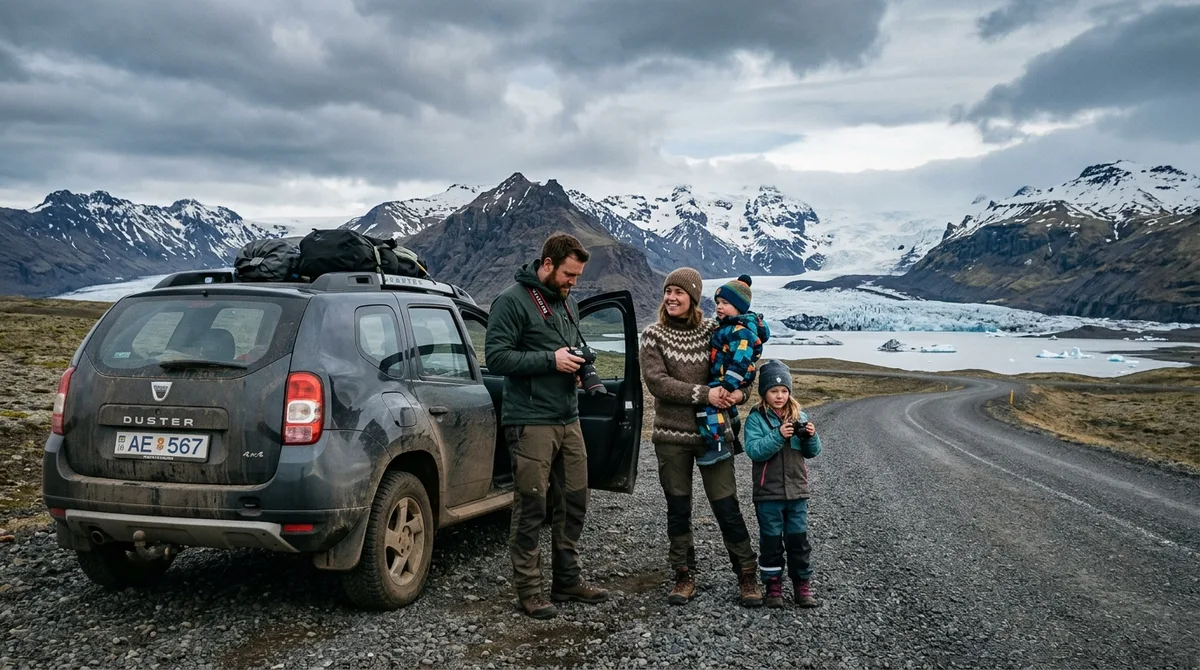
Successful Iceland photography road trip planning for families requires balancing the relentless pursuit of the perfect golden hour light with the logistical realities of traveling with children. By shifting your focus from a "checklist" mentality to a "rhythm-based" approach, you can capture the dramatic landscapes of the North Atlantic without sacrificing the quality of your family experience. The key is to view the landscape not just as a backdrop for your portfolio, but as an interactive classroom for your children.
The Reality of Iceland Photography Road Trip Planning for Families
The biggest mistake photographers make when visiting Iceland with family is overestimating how much ground they can cover in a single day. On paper, a three-hour drive between locations looks simple, but when you account for frequent stops, weather changes, and the needs of children, that same stretch can easily turn into a six-hour ordeal. When engaging in family photography trip Iceland planning, we recommend capping your daily driving at 200 kilometers. This provides a buffer for spontaneous stops, which are often where the most authentic family memories—and unique photo opportunities—occur.
The "less is more" philosophy is critical. Iceland’s weather is notoriously fickle; a beautiful morning can turn into a gale-force wind by midday. If your itinerary is packed tight, a single road closure or a child’s meltdown can derail your entire schedule. Build flexibility into your plan by identifying "primary" and "secondary" locations for each day. If the conditions are harsh or the kids are exhausted, skip the secondary spots. This approach ensures that photographing Iceland with kids remains an enjoyable hobby rather than a stressful endurance test.
Curating Your Route: Balancing Iconic Views and Kid-Friendly Stops
Iceland is home to hundreds of photogenic sites, but not all of them are suitable for a family pace. When selecting your stops, prioritize locations that feature short, flat, and well-marked paths from parking areas. For instance, while some rugged canyons require hours of hiking, many iconic waterfalls are accessible within a five-minute walk from a parking lot, making them ideal for younger children who tire quickly.
Mix your high-intensity photography sessions—the ones where you need to wait for the light or set up a tripod—with "nature play" stops. Use curated maps to identify nearby picnic areas, geothermal pools, or visitor centers where children can burn off energy safely. By integrating these breaks, you transform the trip from a series of car rides into an interactive adventure. A child who has had time to explore a lava field is far more patient when you spend thirty minutes capturing the light hitting a distant mountain range.
Essential Logistics for Family Photography Trip Iceland Success
The vehicle you choose acts as your base camp. For families, we strongly advise renting a 4x4 vehicle with ample trunk space. You need room to store camera gear, tripods, and layers of clothing, while still leaving space for luggage. Avoid the temptation to downsize to a smaller car to save on fuel; the comfort of your family during long stretches of driving is paramount to the success of your 10-day Iceland photography expedition.
Accommodation planning is equally vital. Rather than moving hotels every night, consider staying in "central hubs" for two to three nights at a time. This reduces the stress of packing and unpacking, providing a stable home base for your children. When it comes to food, Iceland’s convenience stores and supermarkets are your best friends. Maintain a "snack kit" in the car to avoid the common issue of "hangry" passengers. Stocking up on local staples allows you to remain flexible with your timing, ensuring you can stay at a location for sunset without worrying about finding a restaurant open late at night.
Photographing Iceland with Kids: Gear and Workflow Tips
When you are responsible for children, your photography workflow must be efficient. Simplify your kit to avoid fumbling with multiple lenses in the wind or rain. A versatile zoom lens is often better than carrying a heavy bag of primes when you need to move quickly to keep an eye on your family. Keep your camera accessible, perhaps on a shoulder strap or a quick-release clip, so you can transition from "parent mode" to "photographer mode" in seconds.
Involve your children in the process. Give them a simple point-and-shoot camera or a smartphone and encourage them to find their own "cool angles." When they feel like part of the creative process, they are less likely to get bored while you wait for the light. Safety is a fundamental priority in Iceland; according to SafeTravel Iceland, visitors should always maintain a safe distance from cliff edges and never turn their backs on the ocean, as sneaker waves are a documented risk on Icelandic beaches. Always establish a "safe zone" for children before you start setting up your tripod, and ensure they are dressed in high-visibility clothing if you are shooting near busy roads or in low-visibility, foggy conditions.
Navigating Weather and Road Conditions Safely
Icelandic weather is an active participant in your trip. It is essential to distinguish between seasonal access—which is often noted in our open coordinate dataset—and live conditions. Always check the Icelandic Meteorological Office (Vedur.is) for weather warnings before heading out each morning. Their forecasts are the most reliable source for predicting the intensity of storms and wind speeds, which can change rapidly in the North Atlantic.
For road travel, rely on The Icelandic Road and Coastal Administration (Road.is). This is the only official source for real-time road closures and hazards. Teach your children that weather in Iceland is a part of the experience rather than a disruption. When a storm forces you to stay inside, it is a perfect opportunity to review photos, play games, or simply rest. For further safety guidelines, consult SafeTravel Iceland, which provides critical advice on how to navigate the landscape safely during your visit.
Tools to Streamline Your Family Photography Expedition
Organization is the bridge between chaos and a smooth trip. We provide our locations as GPX files, which act as waypoints for your journey. By importing these files into your preferred mapping app—such as Gaia GPS, OsmAnd, or Organic Maps—you can visualize your entire route on your phone or tablet. This allows you to see exactly where you are in relation to your next stop, helping you manage expectations with your kids about how much longer the drive will be.
Relying on curated data saves hours of research time. Instead of scrolling through endless forums or blogs, you can access verified coordinates and seasonal access notes in one place. This allows you to spend your time focusing on your family and your craft. Whether you are planning a 7-day Iceland photography trip or a longer journey, having a structured, digital plan ensures that you never miss the best spots while still maintaining the flexibility required for family travel.
The Importance of Flexibility in Itinerary Design
Even the most detailed plan should be treated as a draft. In 2026, the popularity of Iceland’s main sites means that crowds can fluctuate. If you arrive at a waterfall and find it packed with tour buses, consider moving to your next location and returning later in the evening. During the summer months, the extended daylight hours allow for "off-peak" photography, where you can capture iconic scenes with fewer people and softer light. This flexibility is the secret to a successful family trip; by avoiding the midday rush, you reduce stress and allow your children more space to explore without the pressure of crowds.
Frequently Asked Questions
What is the best time of year for a family photography trip to Iceland?
For families, late June through August offers the best balance of daylight and manageable weather. You get the benefit of the Midnight Sun, which provides long, soft light for photography, and the roads are generally clear of snow, making travel significantly easier with children.
How much driving is too much for kids on an Iceland road trip?
Consider taking frequent breaks when driving to help maintain alertness and reduce physical strain, as recommended by safety organizations like the National Highway Traffic Safety Administration. Anything beyond that significantly increases the likelihood of discomfort for children. Use our map data to find scenic stops every 45 to 60 minutes to break up the drive. Source: Safetravel source.
Are there specific photography locations that are dangerous for children?
Yes, any location with high cliffs, powerful waterfall spray, or access to glacial water can be hazardous. often prioritize sites with designated viewing platforms. Our location notes include access details that can help you identify which spots are family-friendly and which require more caution.
How do I manage my camera gear while supervising kids?
Prioritize gear that is easy to carry and quick to deploy. A lightweight backpack with a dedicated camera compartment is essential. rarely sacrifice safety for a shot; if a location requires you to be distracted from your children to capture the image, it is not worth the risk. often keep your children within your line of sight.
Conclusion: Creating Lasting Memories Through the Lens
The ultimate goal of your trip is to create a shared experience that your family will cherish for years. By planning effectively, staying flexible, and using the right tools, you can ensure that photography enhances your time together rather than detracting from it. The best photo is the one that captures the genuine joy of discovery on your child's face against the backdrop of an Icelandic glacier, serving as a reminder of the adventure you shared together.
Ready to simplify your family's photography trip? Explore our curated Iceland photography maps to spend less time planning and more time capturing memories.