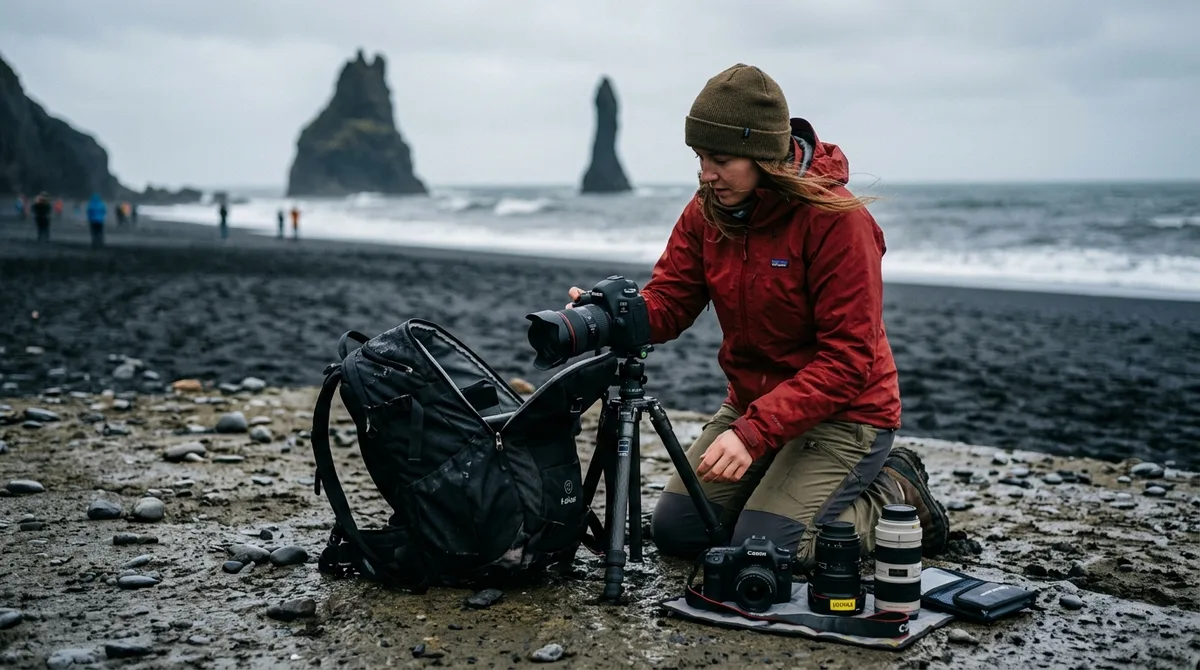
Deciding between Iceland photography gear rental vs buying depends on whether you prioritize the reliability of your own, well-worn equipment or the logistical convenience of sourcing specialized glass locally in Reykjavik. For a 2026 expedition, your choice should be dictated by your specific itinerary, the weight limits of your airline, and your comfort level with operating unfamiliar camera bodies in Iceland’s notoriously volatile, high-moisture environment.
The Core Decision: Iceland Photography Gear Rental vs Buying
When planning your 2026 shoot, the first step is defining your scope. Are you a casual enthusiast looking to capture memories, or a professional landscape photographer requiring redundant bodies and specific focal lengths? The logistical burden of international travel often forces photographers to compromise. Carrying a heavy Pelican case through Keflavík Airport is a physical challenge, yet relying on rental houses means you are betting your entire shoot on equipment that may have been handled by other travelers before you. Assessing the value of renting camera gear in Reykjavik versus the long-term investment of buying gear requires a look at your personal workflow. If you shoot with a specific system—such as the Sony Alpha or Nikon Z series—renting a body you aren't familiar with can lead to missed focus or incorrect exposure settings during the critical "blue hour" or when the Northern Lights make a sudden appearance. The decision matrix is simple: evaluate your budget, your tolerance for transit risk, and your need for technical muscle memory. If you are a frequent traveler to rugged environments, the cost of renting over multiple trips often exceeds the cost of purchasing, whereas a one-time visitor may find the rental model more financially sound.Evaluating the Pros and Cons of Renting in Reykjavik
Renting locally in Reykjavik offers a distinct advantage: you can bypass airline baggage fees and significantly reduce the risk of transit damage or theft. Many photographers find that sourcing a heavy-duty tripod or a specialized 100-400mm lens in Iceland is more efficient than hauling it across the Atlantic. However, the reality of availability is the primary constraint. Rental houses in Reykjavik typically carry a standard inventory of high-end Sony, Canon, and Nikon bodies. If you shoot with a niche system or a vintage medium-format camera, you are unlikely to find a backup body or compatible lenses locally. Furthermore, you must consider insurance. Most rental agencies require a deposit or a specific insurance policy that covers "professional use" in harsh environments. According to the official Visit Iceland guide, the weather in Iceland can change within minutes, meaning your rented gear will be exposed to high humidity and wind-blown sand; ensure your rental contract explicitly covers accidental damage from environmental factors. Always verify the specific coverage limits for "sand and ash" damage, as these are common hazards in the Icelandic Highlands.Is It Worth Buying Gear for Your Iceland Trip?
Is it worth buying gear for your Iceland trip? For most serious photographers, the answer lies in the "cost per day" of ownership. If you plan to return to Iceland or travel to other rugged landscapes, the investment in weather-sealed lenses—such as those with an IP53 rating or higher—is justified. The importance of muscle memory cannot be overstated. When you are standing on the edge of a cliff at Dyrhólaey, struggling against high winds, you do not want to be searching through a menu system you haven't mastered. Buying your own kit allows you to customize your buttons, calibrate your autofocus, and ensure every piece of hardware is field-tested. If you are upgrading, look for gear that offers high dynamic range and excellent low-light performance. High-end camera bodies retain significant resale value, meaning the "net cost" of your investment may end up being lower than a series of expensive rental fees over the course of several trips. Furthermore, owning your gear allows you to practice at home, ensuring you are ready to capture fleeting moments the second you arrive at your first location.Essential Gear Considerations for Iceland's Climate
Icelandic conditions are unforgiving. Your gear choice must prioritize durability over novelty.- Weather Sealing: This is the most critical factor. Moisture from waterfalls like Skógafoss and salt spray from the black sand beaches of Reynisfjara will exploit even the smallest gaps in your lens barrel.
- Tripods: High-wind conditions are the norm in Iceland. A lightweight, carbon-fiber travel tripod is often insufficient. You need a sturdy, heavy-duty tripod with a hook to hang your camera bag for extra stability.
- Battery Management: Cold temperatures drain lithium-ion batteries significantly faster than temperate climates. Plan to carry at least three times the number of batteries you would normally use for a day of shooting.
- Protection: often carry a high-quality rain cover, a lens cleaning kit with a blower, and a set of circular polarizers and neutral density filters to manage the intense glare from glaciers and wet rock surfaces.
- Storage Redundancy: Carry multiple high-speed memory cards. If one card fails due to moisture or physical damage, you need a backup to ensure your day's work is not lost.
Logistical Planning: Transporting vs. Sourcing
Transporting gear requires careful attention to airline carry-on restrictions. Most international carriers have strict weight limits for cabin bags, which can be easily exceeded by a full-frame camera and two professional-grade zoom lenses. If you choose to bring your own, invest in a high-quality, airline-compliant roller bag that fits within standard overhead dimensions. If you decide to source gear in Reykjavik, coordinate your pickup at least 48 hours before you head into the Highlands. The Icelandic Road and Coastal Administration (road.is) publishes current road conditions, which is vital for planning your travel time to rental hubs. Furthermore, using mapping tools—where you can load waypoints provided by our curated Iceland photography maps—will help you understand the terrain you will be traversing, allowing you to decide if you need a long lens for wildlife or a wide-angle lens for sweeping vistas.Financial Breakdown: A Comparative Analysis
To make an informed decision, compare the total costs of a 10-day expedition.| Criteria | Renting in Reykjavik | Buying Your Own Gear |
|---|---|---|
| Initial Investment | Low (Rental Fee + Deposit) | High (Purchase Price) |
| Familiarity | Low (Learning curve) | High (Muscle memory) |
| Logistics | Easier (Less luggage) | Harder (Heavy transit) |
| Insurance | Mandatory (Specific policy) | Optional (Personal coverage) |
| Long-term Value | Zero | High (Resale potential) |